
Recommended books to read for March

推荐三月份读的书.

“Hope, Never Fear - A Personal Portrait of the Obamas”
Award-winning photographer Callie Shell presents an intimate portrait of Barack and Michelle Obama and the guiding principles that defined their time in the White House.
While documenting the journey from the Obama’s family home in Chicago to the most powerful house in the United States, Shell and the Obamas became friends, swapping stories about their families and sharing tips about coping with life on the road.
Over 100 compelling photographs from behind the scenes, including many previously unpublished, are paired with insightful quotes from Michelle and Barack that reveal their warmth, compassion, and unending commitment to service. Featuring an in-depth introduction by Shell and notes drawn from the diaries she kept during her time with the Obamas, this is an affecting, deeply personal insight into an extraordinary couple who energized and empowered millions of people around the world.

希望,从不恐惧——奥巴马夫妇的个人写照.   Xīwàng, cóng bù kǒngjù——àobāmǎ fūfù de gèrén xiězhào
超过 100 张引人注目的幕后照片,包括许多以前未发表的照片,配以米歇尔和巴拉克富有洞察力的名言,揭示了他们的热情、同情心和对服务的不懈承诺。以壳牌的深入介绍和她与奥巴马夫妇相处期间的日记中的笔记为特色,这是对一对非凡夫妇的感人深刻的个人见解,他们为全世界数百万人注入了活力和力量。          Chāoguò 100 zhāng yǐn rén zhùmù dì mùhòu zhàopiàn, bāokuò xǔduō yǐqián wèi fābiǎo de zhàopiàn, pèi yǐ mǐ xiē ěr hé bā lākè fùyǒu dòngchá lì de míngyán, jiēshìle tāmen de rèqíng, tóngqíng xīn hé duì fúwù de bùxiè chéngnuò. Yǐ képái de shēnrù jièshào hé tā yǔ àobāmǎ fūfù xiāngchǔ qíjiān de rìjì zhōng de bǐjì wèi tèsè, zhè shì duì yī duì fēifán fūfù de gǎnrén shēnkè de gèrén jiànjiě, tāmen wèi quán shìjiè shù bǎi wàn rén zhùrùle huólì hé lìliàng.
This book by photographer Callie Shell provides an intimate look at the lives of former US President Barack Obama and his family. It features a collection of candid photographs captured over the course of their time in the White House, along with personal reflections on her experiences with the Obamas, including some tender moments such as family dinners, playful interactions, and quiet moments.
Alongside the photographs, Shell provides insight into her relationship with the Obamas, describing how she came to know them and the personal impact they had on her life. Overall the book serves as both a visual tribute to the Obamas and an intimate glimpse into their personal lives.
摄影师凯莉·谢尔 (Callie Shell) 的这本书深入介绍了美国前总统巴拉克·奥巴马 (Barack Obama) 及其家人的生活。它收录了他们在白宫期间拍摄的一系列坦率照片,以及她对与奥巴马夫妇的经历的个人反思,包括一些温柔的时刻,如家庭聚餐、嬉戏互动和安静的时刻。          Shèyǐng shī kǎi lì·xiè ěr (Callie Shell) de zhè běn shū shēnrù jièshàole měiguó qián zǒngtǒng bā lākè·àobāmǎ (Barack Obama) jí qí jiārén de shēnghuó. Tā shōulùle tāmen zài báigōng qíjiān pāishè de yī xìliè tǎnshuài zhàopiàn, yǐjí tā duì yǔ àobāmǎ fūfù de jīnglì de gèrén fǎnsī, bāokuò yīxiē wēnróu de shíkè, rú jiātíng jùcān, xīxì hùdòng hé ānjìng de shíkè.
除了照片,谢尔还深入了解了她与奥巴马夫妇的关系,描述了她是如何认识他们的,以及他们对她个人生活的影响。总的来说,这本书既是对奥巴马夫妇的视觉致敬,也是对他们个人生活的亲密一瞥。          Chúle zhàopiàn, xiè ěr hái shēnrù liǎojiěle tā yǔ àobāmǎ fūfù de guānxì, miáoshùle tā shì rúhé rènshí tāmen de, yǐjí tāmen duì tā gèrén shēnghuó de yǐngxiǎng. Zǒng de lái shuō, zhè běn shū jìshì duì àobāmǎ fūfù de shìjué zhìjìng, yěshì duì tāmen gèrén shēnghuó de qīnmì yīpiē.
=====
Shrine of Gaiety by Kate Atkinson
This award-winning author of Life After Life dazzles with a supple tale, rich in period detail about the shady goings-on at a Soho nightclub. Reviewed by Anthony Cummins in The Guardian published on Sunday 25th September 2022. https://www.theguardian.com/books/2022/sep/25/shrines-of-gaiety-by-kate-atkinson-review-thrills-spills-and-gone-girls
这位屡获殊荣的 Life After Life 作者以一个轻快的故事令人眼花缭乱,充满了关于 Soho 夜总会阴暗事件的时代细节。由 Anthony Cummins 在 2022 年 9 月 25 日星期日出版的卫报中评论。
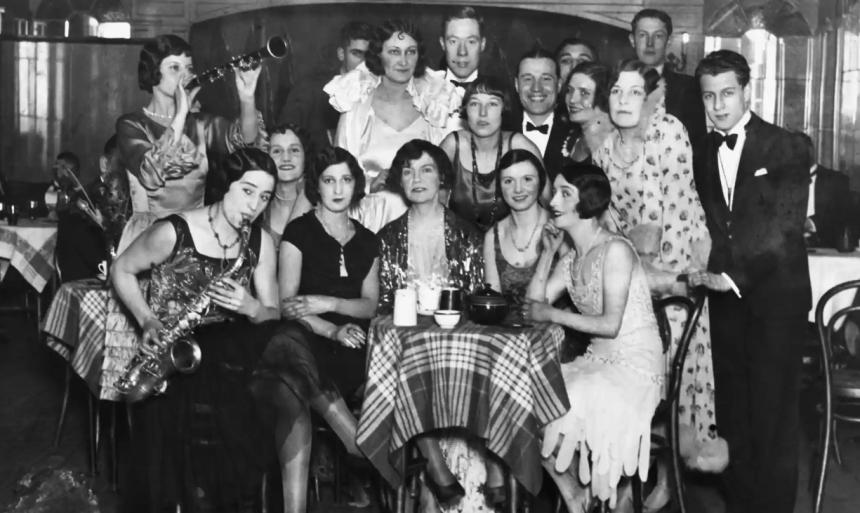
Kate Atkinson’s new novel is a heady brew of crime, romance and satire set amid the sordid glitz of London nightlife in the 1920s. It begins when the notorious club owner Nellie Coker has just ended a six-month jail term for a licensing breach at one of her legendary Soho venues – an embarrassing episode that leaves her asking if she’s really getting value for money from the backhanders she’s giving police. Worse still, there’s a new broom in town: upstanding Detective Chief Inspector Frobisher, keener than his colleagues to investigate a flood of missing girls, among them 14-year-old runaway Freda, whose dreams of West End stardom run aground on the night-time economy’s thirst for flesh.
Pungent with period detail sifted from contemporary accounts – the cocktails, the drugs, the clothes – Shrines of Gaiety sees the author on her finest form since the chronological shenanigans of her Costa-winning sliding-doors saga ‘Life After Life’ (2013). A marvel of plate-spinning narrative knowhow, not to mention a throwback in an era of I-fixated autofiction, it uses more than a dozen fully inhabited characters to propel a rompy panorama that nonetheless keeps in sight the pole-axing cruelty at the book’s heart: the traffic and exploitation of girls whom “no one would miss”, as someone says, and who are not, as someone else puts it, “the kind that a jury will believe”.
Atkinson’s regular readers will recognize her reworking past preoccupations: a conspiracy to hush up child abuse was also a plot point of ‘Big Sky’, the 2019 outing for her regular protagonist Jackson Brodie. When Frobisher asks a young librarian named Gwendolen to infiltrate Nellie’s empire, it echoes the spy thriller ‘Transcription’ (2018), whose typist heroine is likewise drawn into a hazardous undercover mission. And when he moots the looming “death of western civilization”, relieved in a key moment to find himself far from metropolitan “filth and ordure”, it usefully confines to a single point of view the slightly crotchety strain of thought that had freer rein in 2015’s ‘A God in Ruins’ which juxtaposed wartime sacrifice with the state of 21st-century Britain.

凯特·阿特金森 (Kate Atkinson) 的新小说以 20 年代伦敦肮脏浮华的夜生活为背景,融合了犯罪、浪漫和讽刺。故事开始于臭名昭著的俱乐部老板内莉·科克 (Nellie Coker) 因在她传奇的 Soho 场地之一违反许可而刚刚结束六个月的监禁——这一令人尴尬的插曲让她不禁要问,她是否真的从她给警察的回手中得到了金钱的价值.更糟糕的是,镇上出现了一把新扫帚:正直的侦探总督察弗罗比舍,比他的同事更热衷于调查大量失踪女孩,其中包括 14 岁的离家出走的弗雷达,她的西区明星梦在当晚搁浅了——时间经济对肉体的渴求。
从当代记述中筛选出尖锐的时代细节——鸡尾酒、毒品、衣服——《欢乐神殿》见证了作者自她获得科斯塔奖的滑门传奇“来世后的生活”(2013 年)的时间顺序恶作剧以来最好的状态。一个奇迹般的旋转叙事技巧,更不用说回到一个以我为中心的自传小说时代了,它使用了十几个完全有人居住的角色来推动一个欢快的全景,尽管如此,仍然可以看到书中的杆斧残忍心脏:对女孩的贩卖和剥削,正如有人所说,“没有人会想念”,而不像其他人所说的那样,“陪审团会相信的那种”。   Cóng dāngdài jìshù zhōng shāixuǎn chū jiānruì de shídài xìjié——jīwěijiǔ, dúpǐn, yīfú——“huānlè shéndiàn” jiànzhèngle zuòzhě zì tā huòdé kēsī tǎ jiǎng de huá mén chuánqí “láishì hòu de shēnghuó”(2013 nián) de shíjiān shùnxù èzuòjù yǐlái zuì hǎo de zhuàngtài. Yīgè qíjī bān de xuánzhuǎn xùshì jìqiǎo, gèng bùyòng shuō huí dào yīgè yǐ wǒ wéi zhōngxīn de zìzhuàn xiǎoshuō shídàile, tā shǐyòngle shí jǐ gè wánquán yǒurén jūzhù de juésè lái tuīdòng yīgè huānkuài de quánjǐng, jǐnguǎn rúcǐ, réngrán kěyǐ kàn dào shū zhōng de gān fǔ cánrěn xīnzàng: Duì nǚhái de fànmài hé bōxuè, zhèngrú yǒurén suǒ shuō,“méiyǒu rén huì xiǎngniàn”, ér bù xiàng qítā rén suǒ shuō dì nàyàng,“péishěn tuán huì xiāngxìn dì nà zhǒng”.
Shrines of Gaiety is perkier than all those previous novels: the subject is grim, yes, but Atkinson won’t deny the potential for thrills and spills in the seamy goings-on of the interwar demimonde – witness a pivotal set-piece gunfight involving an east London gang and the King of Denmark, typical of the pointedly cross-class clientele drawn to Nellie’s premises. The narration pinballs throughout the book from one perspective to the next, swooping forward and back in time, pitched between omniscient and know-it-all. Atkinson will give away a walk-on character’s future death, or reveal that what you “might be forgiven for thinking” is “not in fact the case”; she isn’t above hammy dread (“it was going to end badly. One way or another”) or cute self-reference: “Freda was not going to work in Rowntree’s! She was going to be a star!… She would rather die of a surfeit of exclamation marks before she worked in an office or a factory!”
One or two larks do feel oddly barbed: when Nellie’s foolish son, Ramsay, a would-be novelist, deludedly pictures book-buyers lining up for his first novel, still mid-draft, we’re told he sees it as “a crime novel, but… also ‘a razor-sharp dissection of the various strata of society in the wake of the destruction of war’. (Ramsay was not without ambition.)” A bit of fun, to be sure, but the joke feels like Atkinson punching down, since she herself pulls off exactly this feat – unless her point is that it’s silly to see Shrines of Gaiety that way, in which case she’s chiding the appreciative reader.
True, the panoptic style trades mystery for buoyancy, yet who needs suspense when Atkinson can fell a key character with nothing but a careless step into a busy road? A stirring climax redeems the novel’s more nightmarish developments by giving center stage to a vengeful act of solidarity by the real-life, all-female gang of forty thieves. Wish fulfilment, maybe, yet so deeply has Atkinson drunk from the history of the period (as an afterword attests) that you’re ready to give her the benefit of the doubt; either way, you’re left grateful for the gear change, even as the longed-for justice of girl power only serves to pave the way for the rougher justice of state power at its most lethal. The wonder – as the noose tightens – is the suppleness that enables Atkinson to segue from scenes of pitch-dark horror to a brisk “what everyone did next” coda without sugar-coating the tale’s bitter kernel: it’s a peak performance of consummate control.
《欢乐神殿》比之前的所有小说都活泼:主题很冷酷,是的,但阿特金森不会否认两次世界大战之间阴暗的故事中可能会出现惊险刺激和溢出的可能性——见证一场关键的枪战,其中包括东伦敦帮派和丹麦国王,典型的尖锐的跨阶级客户被吸引到内莉的场所。贯穿整本书的叙述从一个角度到另一个角度,在时间上来来去去,在无所不知和无所不知之间摇摆不定。阿特金森会泄露一个跑龙套角色未来的死亡,或者揭示你“可能会被原谅的想法”是“事实并非如此”;她并没有超越可怕的恐惧(“它会以糟糕的方式结束。不管怎样”)或可爱的自我参照:“弗雷达不会在朗特里工作!她要当明星了!……她宁愿死在一堆感叹号里,也不去办公室或工厂工作!” “Huānlè shéndiàn” bǐ zhīqián de suǒyǒu xiǎoshuō dōu huópō: Zhǔtí hěn lěngkù, shì de, dàn ā tè jīnsēn bù huì fǒurèn liǎng cì shìjiè dàzhàn zhī jiān yīn'àn de gùshì zhōng kěnéng huì chūxiàn jīngxiǎn cìjī hé yìchū de kěnéng xìng——jiànzhèng yī chǎng guānjiàn de qiāngzhàn, qízhōng bāokuò dōng lúndūn bāngpài hé dānmài guówáng, diǎnxíng de jiānruì de kuà jiējí kèhù bèi xīyǐn dào nèi lì de chǎngsuǒ. Guànchuān zhěng běn shū de xùshù cóng yīgè jiǎodù dào lìng yīgè jiǎodù, zài shíjiān shànglái lái qù qù, zài wú suǒ bùzhī hé wú suǒ bùzhī zhī jiān yáobǎi bùdìng. Ā tè jīnsēn huì xièlòu yīgè pǎolóngtào juésè wèilái de sǐwáng, huòzhě jiēshì nǐ “kěnéng huì bèi yuánliàng de xiǎngfǎ” shì “shìshí bìngfēi rúcǐ”; tā bìng méiyǒu chāoyuè kěpà de kǒngjù (“tā huì yǐ zāogāo de fāngshì jiéshù. Bùguǎn zěnyàng”) huò kě'ài de zìwǒ cānzhào:“Fú léidá bù huì zài lǎng tè lǐ gōngzuò! Tā yào dāng míngxīngle!……Tā nìngyuàn sǐ zài yī duī gǎntànhào lǐ, yě bù qù bàngōngshì huò gōngchǎng gōngzuò!”
=====

There was this fictional island called San Piedro Island just north of Puget Sound, in the state of Washington that the decomposed body of a respected fisherman Carl Heine was found. In such a closely-knitted fishing village, it was very easy for the villagers to deduce that the murderer was a Japanese American, Kabuo Miyamoto, who was sentenced for life imprisonment. That was in the year 1954, just after the Second World War, in the midst of anti-Japanese sentiments in the United States.
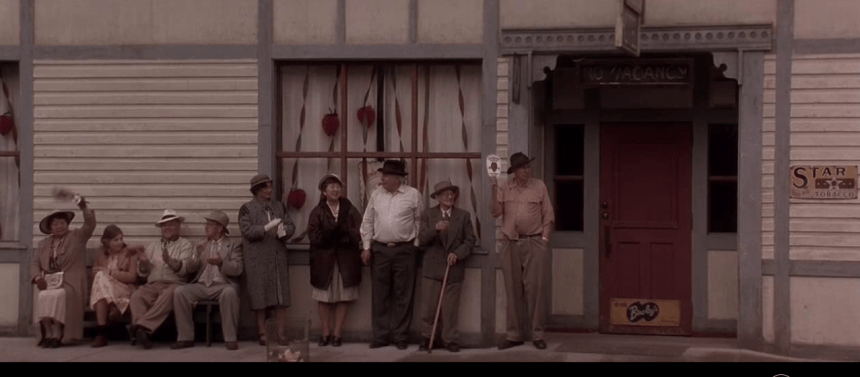
在华盛顿州的普吉特湾以北有一个名为圣皮德罗岛的虚构岛屿,在那里发现了一位受人尊敬的渔夫卡尔海涅的腐烂尸体。在这样一个关系密切的渔村里,村民们很容易推断出凶手是被判无期徒刑的日裔美国人宫本天道。那是1954年,二战刚结束,美国反日情绪高涨。
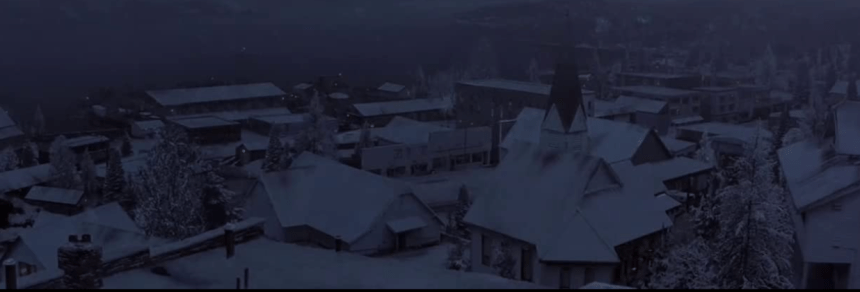
The story is told in flashbacks that explained the interactions of various characters over the several decades past. Carl’s body had been pulled from the sea, trapped in his own net, on September 16, 1954. His water-damaged watch had stopped at 1:47. The trial, held in December 1954 during a snowstorm that griped the entire island for seven long days - a week exactly from a Monday dawn through to the Sunday noon following. Covering the case was the editor of the town’s one-man newspaper, the San Piedro Review, Ishmael Chambers. He was a World War II US Marine Corps veteran who lost an arm fighting the Japanese at the Battle of Tarawa while watching his friends die. Torn by a sense of hatred for the Japanese, Chambers struggled with his love for Kabuo’s wife, Hatsue, and his conscience, wondering if Kabuo was truly innocent. Through extended flashbacks, the reader learns that Ishmael had fallen in love with Hatsue when the two attended high school together right before the war. They had been secretly dating at that time and lost their virginity to each other.
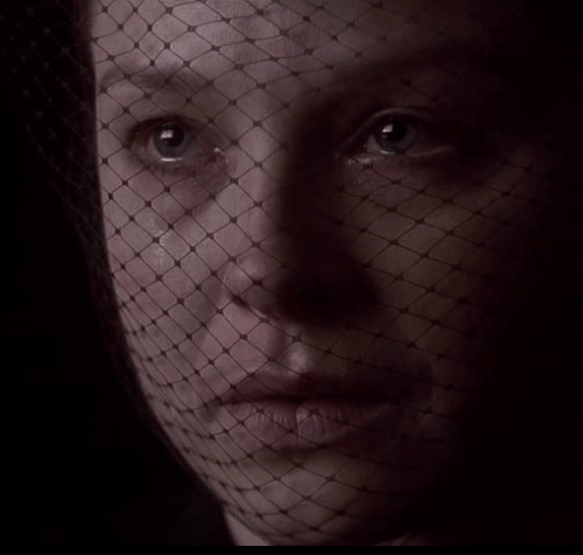
这个故事以倒叙的形式讲述,解释了过去几十年中各种角色的互动。 1954 年 9 月 16 日,卡尔的尸体被困在自己的网中,被打捞出海。他被水损坏的手表停在了 1 点 47 分。审判于 1954 年 12 月举行,当时一场暴风雪席卷了整个岛屿长达 7 天——从周一黎明到周日中午整整一周。报道此案的是该镇的一人报纸《圣皮德罗评论》的编辑伊斯梅尔·钱伯斯 (Ishmael Chambers)。他是一名二战美国海军陆战队老兵,在塔拉瓦战役中与日军作战时失去了一只手臂,同时眼睁睁地看着朋友们死去。被对日本人的仇恨所折磨,钱伯斯与他对天道的妻子初江的爱以及他的良心作斗争,怀疑天道是否真的是无辜的。通过大量的倒叙,读者了解到伊什梅尔在战前一起上高中时爱上了初江。那时他们一直在秘密约会,并互相失去了童贞。

Spearheading the prosecution are the town’s sheriff, Art Moran, and prosecutor, Alvin Hooks. Leading the defense was the old, experienced Nels Gudmondsson, who had successfully defended and saved many innocent suspects in the past. Several witnesses, including Etta Heine, Carl’s mother, accused Kabuo of murdering Carl for racial and personal reasons. Kabuo Miyamoto (a decorated war veteran of the Japanese-American 442nd Regimental Combat Team) experienced prejudice because of his ancestry. He accepted the murder trial as a kind of karma for his part in the killing young Germans during the war.
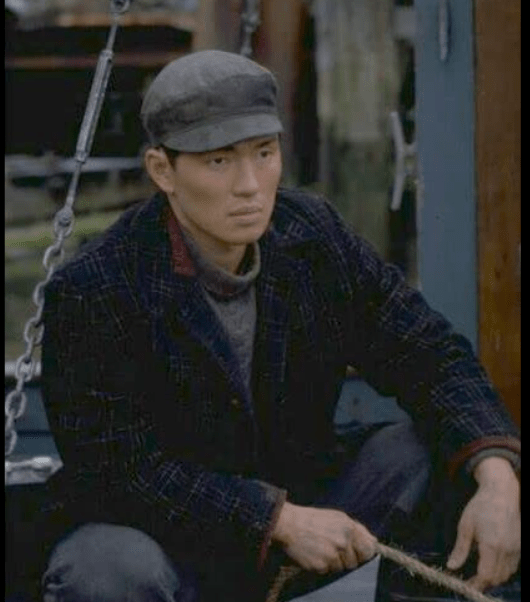
带头起诉的是该镇的治安官阿特·莫兰和检察官阿尔文·胡克斯。带头防守的是年事已高、经验丰富的内尔斯·古德蒙森,他过去曾成功捍卫并解救过许多无辜的嫌疑人。包括卡尔的母亲埃塔·海涅在内的几名证人指控天道出于种族和个人原因谋杀了卡尔。宫本天道(日裔美国人第 442 团战斗队的勋章退伍军人)因其血统而遭受偏见。他接受了谋杀案审判,认为这是他在战争期间杀害年轻德国人的一种业力。
How the story develops from here on is for readers to find out for themselves. Read the book or watch the movie from the internet: https://www.imdb.com/title/tt0120834/mediaviewer/rm2472384768/
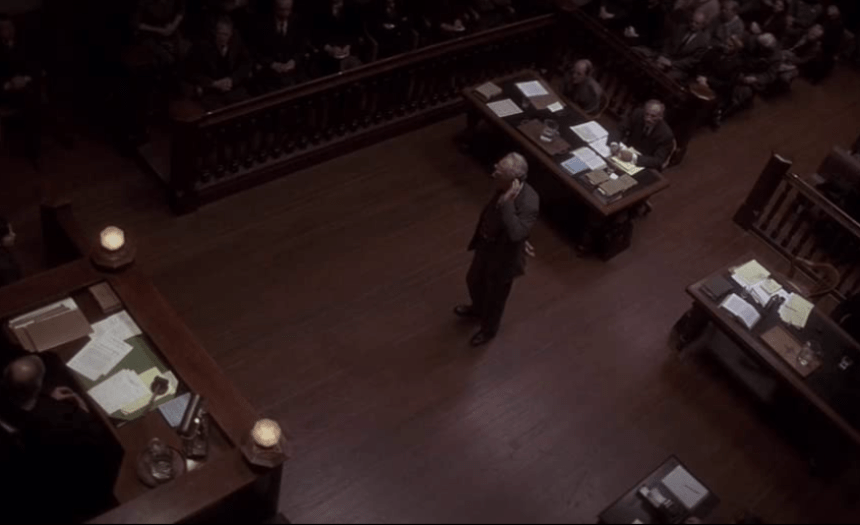
故事如何从这里发展,读者自己去了解吧。从互联网上阅读本书或观看电影:https://www.imdb.com/title/tt0120834/mediaviewer/rm2472384768/
 English