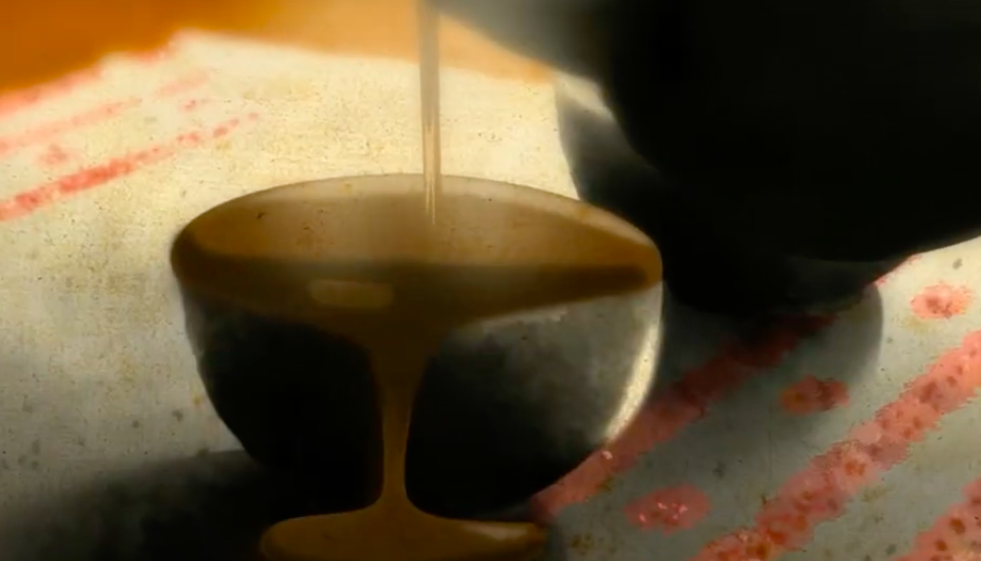
Sip Your Tea, Nice and Slow

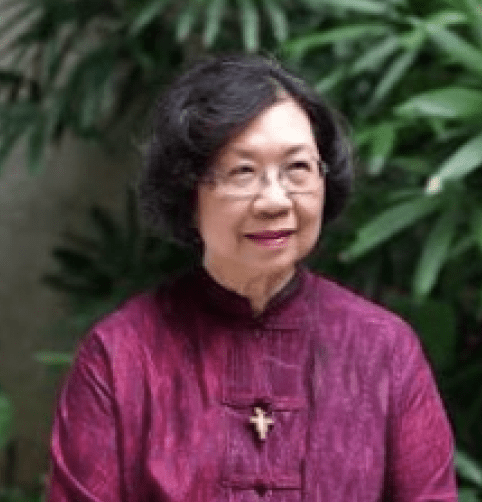
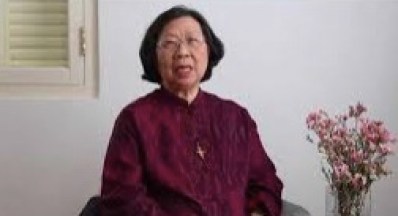
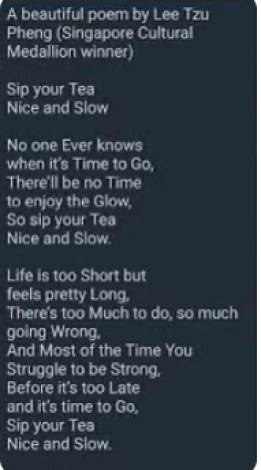
Sip Your Tea || Anne Lee Tzu Pheng || Singaporean Poetess || Poetry - published March 4th 2022.
Composed by the Singaporean poet Anne Lee Tzu Pheng, this remarkable poem dwells on the nature of time and the relationship humans share. It invites the reader to be present in the moment rather than losing oneself in regret and guilt about the incontrovertible nature of time and lost opportunities. This poem is to remind us to take our time to live life and appreciate the value of life and memories that lives on beyond time and death. https://youtu.be/fUe6ybY9Abw

Sip your tea, nice and slow; No one ever knows when it’s Time to go.
There’ll be no Time to enjoy the Glow; So sip your Tea, nice and slow.
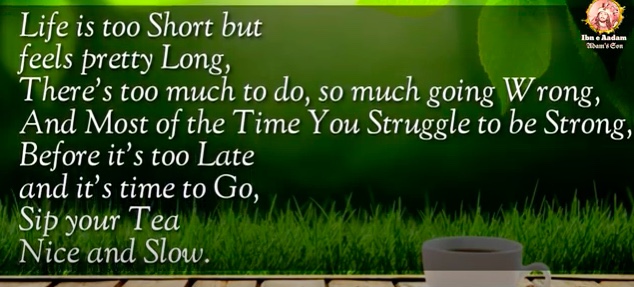
Life is too shore but feels pretty long, There’s too much to do, so much going Wrong;
And the most of the Time you struggle to be Strong,
Before it’s too late and it’s time to go; So sip your tea, nice and slow.
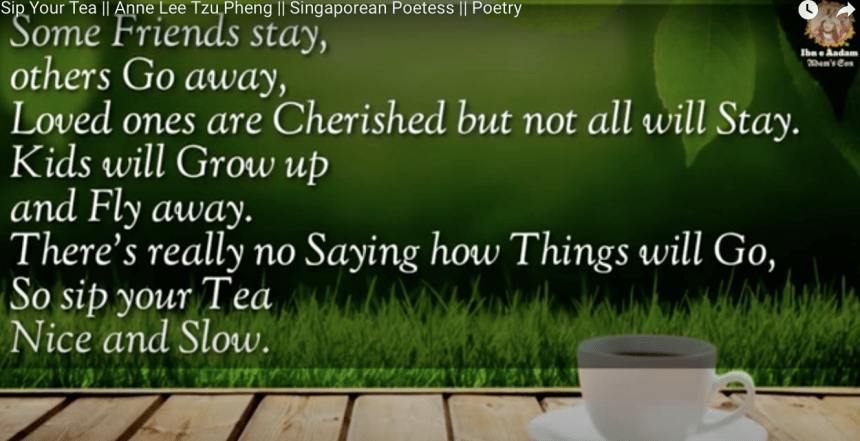
Some friends stay, others go away; Love ones are cherished but not all will stay.
Kids will grow up and fly away. There’s really no saying how things will go,
So sip your tea, nice and slow.
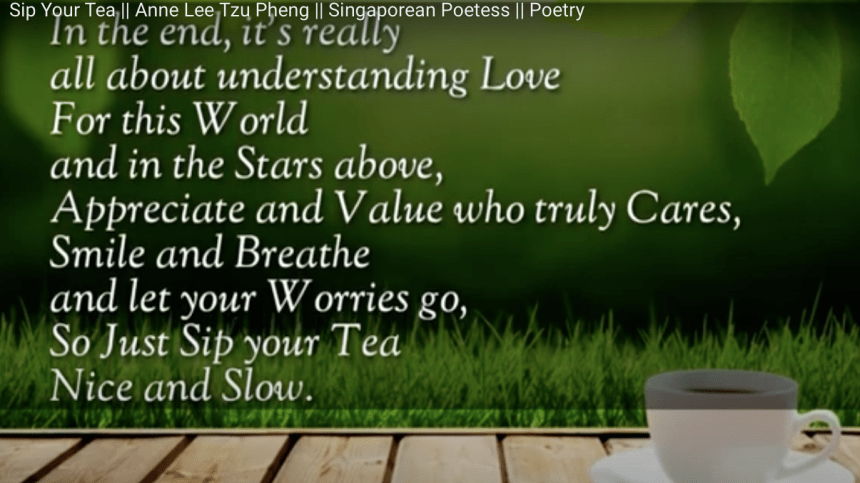
In the end, it’s really about understanding love for this world and in the stars above,
Appreciate and value who truly cares, smile and breathe and let your worries go,
So just sip your tea, nice and slow.

喝茶 ||李子萍 ||新加坡女诗人||诗歌 - 2022 年 3 月 4 日出版。
这首非凡的诗歌由新加坡诗人 Anne Lee Tzu Pheng 创作,讲述了时间的本质和人类共有的关系。它邀请读者活在当下,而不是沉浸在对时间无可争议的本质和失去的机会的遗憾和内疚中。这首诗是要提醒我们花时间过生活,欣赏生命的价值和超越时间和死亡的记忆。 https://youtu.be/fUe6ybY9Abw

细细地啜饮你的茶;没有人知道什么时候该走。 没有时间享受光辉;所以慢慢地啜饮你的茶。

人生太岸却又觉得很长,要做的事太多,走错的路太多;
大多数时候你都在努力变得坚强,
在为时已晚和出发之前;所以慢慢地啜饮你的茶。
有些朋友留下来,有些朋友走了;所爱之人值得珍惜,但并非所有人都会留下。
孩子们会长大并飞走。真的不好说事情会怎样,
所以慢慢地啜饮你的茶。
最后,这真的是关于理解对这个世界和上面星星的爱,
欣赏和重视真正关心的人,微笑和呼吸,让你的烦恼消失,
所以,喝茶吧,慢慢地喝。https://youtu.be/O-uSQvsC6x4
This poem is beyond all relationships
But made for us all.
When I’m dead.
Your tears will flow
But I won’t know
Cry with me now instead.
You will send flowers,
But I won’t see
Send them now instead
You’ll say words of praise
But I won’t hear.
Praise me now instead
You’ll forget my faults,
But I won’t know…..
Forget them now instead.
You’ll miss me then,
But I won’t feel.
Miss me now, instead.
You’ll wish You could have spent more time with me,
Spend it now instead
When you hear I’m gone, you’ll find your way to my house to pay condolence but we haven’t even spoken in years.
Look for me now -
这首诗超越了所有关系
但为我们所有人而生。
当我死了。
你的眼泪会流
但我不会知道
现在和我一起哭吧。
你会送花,
但我不会看到
现在发送它们
你会说赞美的话
但我不会听。
现在赞美我吧
你会忘记我的缺点,
但我不会知道……
现在忘记它们吧。
那时你会想念我的,
但我不会有感觉。
相反,现在想我了。

你会希望你能花更多的时间和我在一起,
现在花钱吧
当你听说我走了,你会想方设法去我家吊唁,但我们已经多年没有说话了。
现在找我——
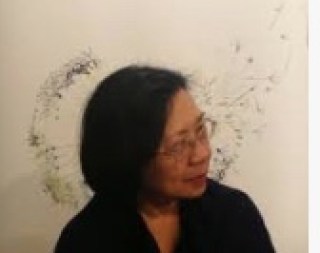
Lee Tzu Pheng (b. 1946)
CRITICAL INTRODUCTION Written by Hazel Tan Dated 4 Nov 2015 http://www.poetry.sg/lee-tzu-pheng-intro
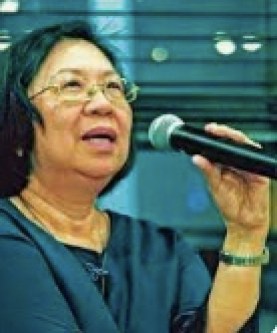
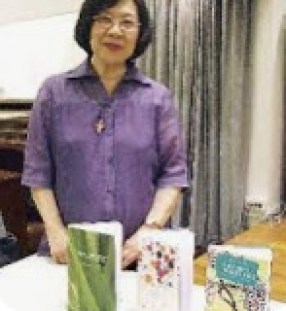
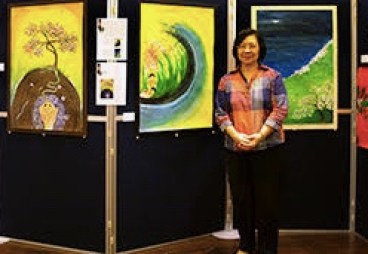
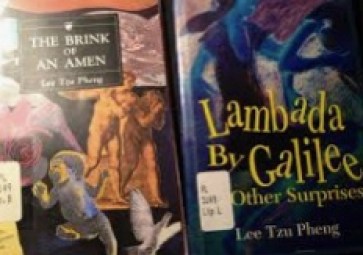
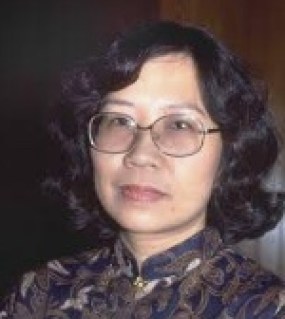
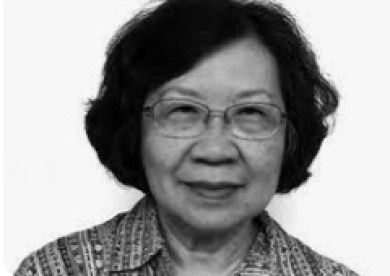
Dr. Lee Tzu Pheng was educated at Raffles Girls’ School and the University of Singapore. She is an award-winning poet and retired associate professor who taught English Literature at the National University of Singapore. Her works have appeared in numerous poetry anthologies and journals. She has five volumes of poetry: Prospect of a Drowning (1980), Against the Next Wave(1988), The Brink of an Amen (1991), Lambada by Galilee and Other Surprises (1997) and Catching Connections (2012). The first three each won the Singapore National Book Development Council’s award for poetry. She received the Singapore Cultural Medallion for Literature and the South Asia WRITE Award in 1985 and 1987, respectively. In 1995, she was conferred the Gabriela Mistral Award, given to 50 outstanding writers worldwide. One year later, she was given the Montblanc-CFA (Centre for the Arts) Literary Award. Her most anthologised poem to date is from her first volume, “My Country and My People”. This poem was also “notoriously banned from the airwaves in the 1970s” as the speaker’s “ambivalent attitude towards the patriotism” was at that time “thought to counter the nation discourse” (Gwee 39; Ahmad par 4; Koh 1).
Lee Tzu Pheng 博士曾就读于莱佛士女子学校和新加坡大学。她是一位屡获殊荣的诗人和退休副教授,曾在新加坡国立大学教授英语文学。她的作品出现在许多诗歌选集和期刊中。她有五卷诗集:《溺水的前景》(1980 年)、《反对下一波浪潮》(1988 年)、《阿门的边缘》(1991 年)、《加利利的 Lambada 和其他惊喜》(1997 年)和《抓住联系》(2012 年)。前三本分别获得了新加坡国家图书发展委员会的诗歌奖。她分别于 1985 年和 1987 年获得新加坡文化文学奖和南亚 WRITE 奖。 1995 年,她被授予加布里埃拉·米斯特拉尔奖,该奖授予全球 50 位杰出作家。一年后,她获得万宝龙-CFA(艺术中心)文学奖。迄今为止,她收录最多的诗集来自她的第一卷《我的祖国和我的人民》。这首诗也“在 1970 年代臭名昭著地被禁止播放”,因为当时演讲者“对爱国主义的矛盾态度”“被认为是反对民族话语”(Gwee 39;Ahmad par 4;Koh 1)。
Lee’s poetry spans themes such as identity, love, silences and the struggle with words, and religion. Anne Brewster notes that her lyrical poetry “follows the trajectory of Romanticism and Wordsworth’s characterisation of [ . . . ] poetry as that of powerful feelings”. She also notices that Lee’s subject is the “poet’s sensibility [ . . . ] elaborated in intensely-felt passion and sensuality”. Bah Kah Choon claims the depth of her sensibility is “wide and intensive,” and deals with the “moment of lyricism, of insight that comes with the touching of life to the quick” (Foreword, Prospect).
Lee 的诗歌涵盖身份、爱情、沉默、与文字的斗争以及宗教等主题。安妮·布鲁斯特 (Anne Brewster) 指出,她的抒情诗“遵循浪漫主义的轨迹和华兹华斯对 [ . . . ] 作为强烈情感的诗歌”。她还注意到李的主题是“诗人的感性[。 . . ] 在强烈的激情和性感中得到阐述”。 Bah Kah Choon 声称她的情感深度是“广泛而强烈的”,并处理“抒情的时刻,随着生命的触动而来的洞察力”(前言,展望)。
Indeed, what makes Lee’s poems so powerful may be likened to capturing the “fugitive moment” – one that is constantly changing because of its transitory or ephemeral nature (Baudelaire 13). However, this is not to say that Lee’s poetry like Baudelaire’s deals specifically with the subject of modernity, or concerns itself with objects of modernity, but that it displays transitory, ordinary moments that usually escape people’s attention. For instance, in “Cyclist” (Prospect), she writes:
Next week, perhaps,
I shall have forgotten
his reality, as his shadow
on the road now flickers, receding.
No use shading the eyes,
for this moment might be
the blur of his bicycle going past
on a chance, unseen.
事实上,使 Lee 的诗歌如此强大的原因可以比作捕捉“逃亡的时刻”——一个因其短暂或短暂的性质而不断变化的时刻(波德莱尔 13)。然而,这并不是说 Lee 的诗歌像波德莱尔那样专门处理现代性的主题,或关注现代性的对象,而是它表现出通常不被人们注意的转瞬即逝的普通时刻。例如,在“骑自行车的人”(前景)中,她写道:下周,也许,
我应该已经忘记了
他的现实,如同他的影子
路上现在闪烁,后退。
遮住眼睛没有用,
因为这一刻可能是
他自行车过去的模糊
一次偶然的机会,看不见的。
Lee’s description of this moment guides the reader to focus on what is peripheral. Her keen eye for the detail of these in-between moments of life brings readers insight into everyday experiences that we might easily miss.
Lee’s sensibilities also touch on the struggles that come with writing and language. In searching for identity through the medium of poetry, she writes in “Because I only write”:
because I only write
not knowing where and how to bring
these feelings to your doorstep
Here, the speaker seems to be uncertain if language is or can be an accurate representation of emotion, uncertain of its ability to “communicate a living whole”. This is further emphasised by the speaker later in the same poem:
to write is nothing.
this, only dispatching
a part of me;
the rest remains, watching
for the reach of your understanding
or your despair.
Lee 对这一刻的描述引导读者关注外围的事物。她对生活中这些中间时刻细节的敏锐洞察力让读者深入了解我们可能很容易错过的日常经历。
Lee 的情感也触及了写作和语言带来的挣扎。在通过诗歌寻找身份认同的过程中,她在《因为我只会写作》中写道:因为我只会写
不知道在哪里以及如何携带
这些感觉到你家门口
在这里,说话者似乎不确定语言是否或可以是情感的准确表达,不确定其“交流一个活生生的整体”的能力。说话者在同一首诗的后面进一步强调了这一点:
写什么都不是。
这个,只派遣
我的一部分;
剩下的还在看
为了你的理解
或者你的绝望。
However, in Against the Next Wave (1988), fourteen years after her first debut, she writes in “If You Must Know”:
Making a poem is
taking charge of yourself,
your fears, incapacities, tears:
being tough, taking yourself
by the scruff and saying:
say it, you fool
for how else are you going to know
what a fool you are –
Here, the speaker seems more aware of the writing process and what it entails: writing is not only tough and painful, but also involves self-reflection. It resembles the act of holding up a mirror – a way of seeing clearly flaws present in every self-image. It is also a process of agonising introspection, an inward journey that the poet takes to fix these flaws. As such, the speaker says that this very act of writing is the “beginning of wisdom”.
然而,在她首次亮相 14 年后的 Against the Next Wave(1988 年)中,她在“如果你必须知道”中写道:
写诗是
对自己负责,
你的恐惧、无能、泪水:
坚强,把自己
通过颈背说:
说吧,你这个傻瓜
你还能怎么知道
你真是个傻瓜——
在这里,说话者似乎更了解写作的过程及其所包含的内容:写作不仅是艰难和痛苦的,而且还涉及自我反省。它类似于举起镜子的行为——一种清楚地看到每个自我形象中存在的缺陷的方式。这也是一个痛苦的内省过程,是诗人为修复这些缺陷而进行的一次内心之旅。因此,演讲者说,这种写作行为本身就是“智慧的开端”。
Much of Lee’s poetry deals with such difficult emotions, and cover themes such as religious suffering and pain. In “Carmelites at Auschwitz” (The Brink of an Amen):
Those cries from the forsaken and forsaking;
they are locked into those gas-rooms we abandon
they relive each moment deaths uncountable.
She notes that such suffering is incomprehensible because of “a God we cannot comprehend”. It is worth noting that this collection took three years to prepare, and was written around the time of Lee’s conversion to Catholicism in 1989. Felicia Chan describes the poetic voice in this volume as “much more confident” because Lee accepts mystery and “uncertainty as a matter of course,” as a newly-minted person of faith. In the titular poem:
On the brink of an amen
the mystery retreats, leaving
not questionings,
not confidence,
but simply a silence,
absolute, waiting.

Lee 的大部分诗歌都在处理这种困难的情绪,并涵盖宗教苦难和痛苦等主题。在“奥斯威辛的加尔默罗会”(阿门的边缘):
那些被遗弃和遗弃的呼喊;
他们被锁在我们放弃的那些毒气室里
他们每时每刻都在经历无数的死亡。
她指出,由于“我们无法理解的上帝”,这种痛苦是无法理解的。值得注意的是,这本合集花了三年时间准备,写于李在 1989 年皈依天主教前后。Felicia Chan 将这本书中诗意的声音描述为“更加自信”,因为李接受了神秘和“不确定性”这是理所当然的事,”作为一个新信仰的人。在题名诗中:
在阿门的边缘
神秘撤退,离开
不是提问,
没有信心,
但只是沉默,
绝对,等待。
The speaker’s contentment with silence here signifies a certain acceptance, which comes with the realisation that she has to wait for answers to her “questionings,” while believing that they will indeed be resolved eventually.
This theme of silence appears again and again. In “More, Not Less”:
On our knees confessing
the absurd inconsequence
of each proposal,
we are bereft of speech
beyond the negating syllable
说话者在这里对沉默的满足意味着某种接受,伴随着她意识到她必须等待对她的“问题”的回答,同时相信它们最终确实会得到解决。
这种沉默的主题一次又一次地出现。在“更多,而不是更少”中:
我们跪下忏悔
荒谬的无关紧要
每个提案,
我们无法说话
除了否定音节
Language, here, defines itself by pointing to an Other: the “negating” consequences that come when rich and polysemic words are uttered. Words therefore “divide / and cannot make us whole”. While her poems hint at the elusiveness of words and their meanings, what Lee tries to get at are the precise words that point to this elusiveness. The certainty of words and the elusiveness of silences constantly reinvent and redefine themselves by pointing to each other. While Lee maintains that words are slippery in nature, she seems to suggest in poems such as “Inventory” that it is in them that one can still find cause for celebration.
在这里,语言通过指向他者来定义自己:当说出丰富和多义词时出现的“否定”结果。因此,词语“分裂/不能使我们完整”。虽然她的诗歌暗示了词语及其含义的难以捉摸,但 Lee 试图获得的是指向这种难以捉摸的精确词语。言语的确定性和沉默的难以捉摸通过相互指向不断地重塑和重新定义自己。虽然 Lee 坚持说文字本质上是狡猾的,但她似乎在“盘点”等诗歌中暗示,人们仍然可以在其中找到值得庆祝的理由。
Chan notes that “Inventory” is a “poem that celebrates the sounds and rhythms of words” and “the pure aural pleasure poetry can give”:
headstern
heartstrong
fine-eyed
footlong
softmouthed
selfweaned
In Lambada By Galilee and Other Surprises, Lee’s voice shifts and emerges once again with a “greater sense of self assurance”. As her title suggests, this new voice might surprise readers. The volume is divided into two sections, “On Homeground” and “On Pilgrimage,” moving from poems about Lee’s identity to poems about the external world. In the first section, she speaks of the nation’s icon, the Merlion in “The Merlion to Ulysses,” a response to Edwin Thumboo’s “Ulysses by The Merlion”:
So–the important things of our world,
you must admit,
have not changed much at all.
I am the scion of a wealthy race.
I wear the silver armour of my moneyed people
Chan 指出,“盘点”是一首“歌颂文字的声音和节奏的诗”和“诗歌所能给予的纯粹的听觉愉悦”:
头尾
坚强的心
眼尖的
英尺
软嘴
断奶
在加利利的 Lambada 和其他惊喜中,Lee 的声音发生了变化,并再次以“更大的自信感”出现。正如她的标题所暗示的那样,这种新声音可能会让读者感到惊讶。该卷分为“故乡”和“朝圣”两个部分,从关于李的身份的诗到关于外部世界的诗。在第一部分中,她谈到了国家的标志,即“尤利西斯的鱼尾狮”中的鱼尾狮,这是对埃德温·图姆布 (Edwin Thumboo) 的“鱼尾狮的尤利西斯”的回应:
所以——我们世界的重要事物,
你必须承认,
根本没有太大变化。
我是一个富裕种族的后代。
我穿着我的有钱人的银色盔甲
Thow Xin Wei suggests that Lee “transforms the Merlion into an arrogant spokesperson” for Singaporeans of a “certain class and generation”. However, Thow suggests that it is people’s emphasis on “material and monetary [that] is subverted by irony”. As such, Lee’s poem presents a Ulysses “less ‘amazed’ and ‘properly impressed’ than ‘puzzled’”. Her poem still suggests a Singaporean identity that is “filled with either self-doubt or self-delusion”.
Lambada expands in its second section. Here, Lee writes of pilgrimages to places like Galilee and Jerusalem, and their beauty. Chan notes that Lee’s experiences on her pilgrimages reveal “powerful lesson[s]” the poet has learnt. According to Chan, it is the “task of future volumes to divulge how Lee’s newfound confidence…will shape her poetry”.
Thow Xin Wei 建议 Lee 为“特定阶层和世代”的新加坡人“将鱼尾狮变成傲慢的代言人”。然而,Thow 认为人们对“物质和货币的强调被讽刺所颠覆”。因此,Lee 的诗呈现了一个尤利西斯“与其说是‘困惑’,不如说是‘惊奇’和‘印象深刻’”。她的诗仍然暗示着“充满自我怀疑或自欺欺人”的新加坡人身份。
Lambada 在其第二部分进行了扩展。在这里,Lee 写下了前往加利利和耶路撒冷等地的朝圣之旅,以及它们的美丽。陈指出,Lee 的朝圣经历揭示了这位诗人学到的“深刻教训”。据陈说,“未来的任务是揭示李新获得的自信……将如何塑造她的诗歌”。
Indeed, in Lee’s fifth collection, Catching Connections, we see her poems take on a whimsical, liberating tone while still addressing themes present in her past work. For instance, in “Why is your poetry so normal,” she reveals the reason why she writes, or why one should:
[ . . . ] I’d rather
take your hand and lead us through.
This crazy road of life
is challenging enough.
So listen: what’s worth saying
is worth saying strong and clear,
for the words we catch to serve us
will work their worth and more.
Lee’s poetry is suffused with a “quiet humour [that] balances the critical irony associated with her approach to her subjects” (Catching, blurb). Her words evoke a “sense of mystery in creation at its most intense and most immediately palpable” in her readers as they read her work.
事实上,在 Lee 的第五部诗集《Catching Connections》中,我们看到她的诗歌呈现出一种异想天开、自由自在的基调,同时仍在处理她过去作品中出现的主题。例如,在“为什么你的诗歌如此正常”中,她揭示了她写作的原因,或者为什么一个人应该:
[。 . . ] 我宁愿
牵着你的手,带领我们走过。
这疯狂的人生之路
足够具有挑战性。
所以听:什么值得说
值得一提的是,清晰明了,
因为我们抓住的话为我们服务
将工作他们的价值和更多。
Lee 的诗歌充满了“安静的幽默 [that] 平衡了与她处理主题的方法相关的批判性讽刺”(Catching,blurb)。当读者阅读她的作品时,她的话会在读者中唤起一种“创作中最强烈和最直接的神秘感”。
 English
thank you for inforamtion