Mo Yan

莫言
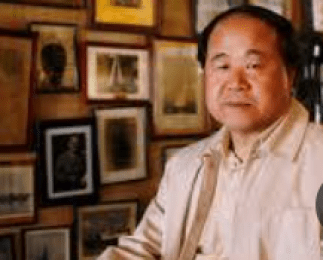
Mo Yan is the penname of an established Chinese writer, Guan Moye 管谟业, born on the 17 February 1955 (now 68 years old). In 2012, Mo was awarded the Nobel Prize in Literature for his work as a writer who could retell folk tales and historical tales in a contemporary light.
Mo Yan, in Chinese, literally means “Don’t Speak Out”. Mo Yan has explained that the pen name comes from a warning from his parents not to speak his mind while outside, because of China’s revolutionary political situation in the 1950s, during the period when he was growing up.
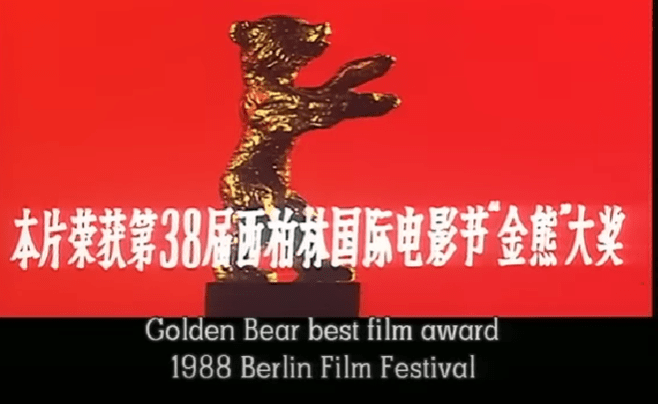
He wrote his first novel “Red Sorghum” 红高粱 in 1987. This novel was made into a movie and was awarded the Golden Bear Best Film Award in the Berlin Film Festival of 1988. https://youtu.be/StUZdCc6gwg This story, set in China in the years 1930s to 1970s, relates to the fate of a young Chinese widow forced by her parents to marry a wealthy wine owner who died shortly after the marriage. She was left to run the winery left by her husband and had to contend with her drunkard lover (one of the winery workers), with bandits, and with the invading Japanese army. Tap on to the website above to watch the entire hour long movie in Chinese with English subtitles.
莫言是中国著名作家管默业的笔名,生于1955年2月17日(现年68岁)。 2012 年,莫因作为一位能够以当代眼光复述民间故事和历史故事的作家而获得诺贝尔文学奖。
莫言,中文的字面意思是“不要说出来”。莫言解释说,这个笔名来自于他成长过程中,由于 20 世纪 50 年代中国的革命政治形势,他的父母警告他不要在外面说出自己的想法.
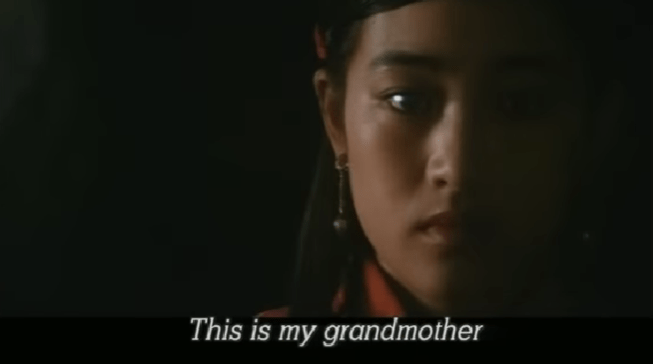
1987年写出第一部长篇小说《红高粱》,该小说被拍成电影,获得1988年柏林电影节金熊奖最佳影片奖。https://youtu.be/StUZdCc6gwg 这个故事,故事发生在 1930 年代至 70 年代的中国,讲述了一位年轻的中国寡妇被父母强迫嫁给一位富有的酒庄老板的命运,但婚后不久就去世了。她被留下来经营丈夫留下的酒厂,不得不与酒鬼情人(酒厂工人之一)、土匪、侵略日军抗争。点击上面的网站可以观看整整一个小时的中文电影和英文字幕。
Mo Yan’s writing has the effects of the blurring of distinctions between “past and present”, “dead and living”, as well as “good and bad”. Mo Yan appears in his novels as a semi-autobiographical character who retells and modifies traditional stories. His female characters often fail to observe traditional roles. Male power is also portrayed cynically.
莫言的写作具有模糊“过去与现在”、“死与活”、“好与坏”之间界限的效果。莫言在他的小说中以半自传体的身份出现,对传统故事进行复述和修改。他笔下的女性角色往往无法遵守传统角色。男性权力也被愤世嫉俗地描绘。
In a recent publication in an internet website entitled “Jian Shu” 简书- 创作你的创作, https://www.jianshu.com Mo Yan was quoted to have given the following five gems of wisdom:
Gem # 1. People who like you, you can do whatever you want. People who don’t like you, you can’t do anything, so people don’t have to bend themselves to please others when they live.
Gem # 2: Others see shoes, they feel the feet, do not covet the luxury of shoes, and wronged their own feet.
Gem # 3: In this world, no one can really empathize with another person’s pain. You have arrows through your heart, you are in pain, and it is only your business, others may sympathize, may sigh, but it will never be clear to what state your wounds have festered.
Gem # 4: A person to know his own position, just as a person knows his face, this is the most sober consciousness. Washing away the lead is always more beautiful than casually applying grease and powder. So doing what you can do and doing it the best is the importance of being a person.
Gem # 5: In this world, there are always people you don’t like, and there are always people who don’t like you. This is all normal. And, no matter how good you are, no matter how good the other person is, you can’t demand of each other. Because, whether it’s good or not is one thing, and liking it or not is another.
1,喜欢你的人,你怎么样都行。不喜欢你的人,你怎么样都不行,所以人活着没必要委屈自己讨好别人。
2,别人看到的是鞋,自己感受到的是脚,切莫贪图了鞋的华贵,而委屈了自己的脚。

3,在这个世界上,没有人真正可以对另一个人的伤痛感同身受。你万箭穿心,你痛不欲生,也仅仅是你一个人的事,别人也许会同情,也许会嗟叹,但永远不会清楚你的伤口究竟溃烂到何种境地。
4,一个人要知道自己的位置,就像一个人知道自己的脸面一样,这是最为清醒的自觉。洗尽铅华总是比随意的涂脂抹粉来得美。所以做能做的事,把它做的最好,这才是做人的重要。
5,这个世界上,总有你不喜欢的人,也总有人不喜欢你。这都很正常。而且,无论你有多好,也无论对方有多好,都苛求彼此不得。因为,好不好是一回事,喜不喜欢是另一回事。
A complete list of Mo Yan’s works published as a collection in 2012 in China (after Mo Yan received the Nobel Prize) is as follows:
Novels
- 《红高粱家族》 Red Sorghum (1986)
- 《天堂蒜薹之歌》 The Garlic Ballads (1988)
- 《十三步》 Thirteen Steps (1988)
- 《食草家族》 The Herbivorous Family (1993)
- 《酒国》 The Republic of Wine: A Novel (1993)
- 《丰乳肥臀》 Big Breasts & Wide Hips (1995)
- 《红树林》 Red Forest (1999)
- 《檀香刑》 Sandalwood Death (2001)
- 《四十一炮》 Pow! (2003)
- 《生死疲劳》 Life and Death Are Wearing Me Out (2006)
- 《蛙》 Frog (2009)
Short story and novella collections
- 《白狗秋千架》 White Dog and the Swing (30 short stories, 1981–1989)
- 《与大师约会》 Meeting the Masters (45 short stories, 1990–2005)
- 《欢乐》 Joy (8 novellas; six of them are published in English as Explosions and Other Stories)
- 《怀抱鲜花的女人》 The Woman with Flowers (8 novellas, 2012)
- 《师傅越来越幽默》Shifu, You’ll Do Anything for a Laugh (9 novellas, 2001; one of them, Change, is published independently in English)
- 《晚熟的人》A Late Bloomer (12 novellas and short stories, 2020)
Other works
- 《会唱歌的墙》 The Wall Can Sing (60 essays, 1981–2011)
- 《我们的荆轲》 Our Jing Ke (play)
- 《碎语文学》 Broken Philosophy (interviews, only available in Chinese)
- 《用耳朵阅读》 Ears to Read (speeches, only available in Chinese)
- 《盛典:诺奖之行》 Grand Ceremony
 English