
Interfaith Dialogue
跨宗教对话.
I am a Christian, baptised in the Chinese Presbyterian Church in Vincent Street, Auckland City Centre, by Rev. David Dang, way back in the year 1981. Let me now briefly trace chronically my Christian walk of life all these forty odd years.
1981 to 1989 - A baby of a Christian, and later a Primary-Schooler type of Christian, full of enthusiasm in the promotion of Christianity to everyone I met. Evangelise, so the saying went. Every one of my family members, including my aged mother became a Christian believer, Praise the Lord.
1990 to 1995 - A matured Secondary-Schooler type of Christian, mellowed, not too enthusiastic in evangelical activities but kept reading the Bible, jotting down every single word the preachers said on the pulpits, checking and researching into the true meaning of Christian life. “The word Christian can be translated as Christ, I am Nothing,” became my motto of the day, humbled by the extent in which God had created the universe with a blessed me in the Christian community.
1996 to 2005 - Was living in Bangkok and working professionally all over Thailand - an eye opener period for me. I saw with my very own eyes that devoted Buddhists woke up early every morning to cook the best fresh food for their monks and monasteries that provided free meals for the poor. I saw devoted Muslims pray to their Allah five times a day, facing Mecca. I asked myself just one question: “How many of us, Christians, are so devoted to their Lord?” And we wanted to convert these groups to Christianity? Yes, I was entering the University-Bachelor’s-school of Christianity during this period. I realised for the first time that we as Christians could not ever hope to convince these devotees into another set of religious beliefs when they were so much more entrenched in their traditions than us, relatively new Christians of say forty fifty years.
2006 to 2015 - During this period, I noticed that I had moved from a Bacheor’s-level Christian to a Master’s-level Christian. I was more interested in reading about the similarity of Christian beliefs to those of other faiths like Buddhism, or Islam, or Jewish, or Hinduism. I came across the articles on religious pluralism from authors like retired Anglican Minister Alan Race, Dennis R. Hoover, and John Hick. I read the works of Wilfred Cantwell-Smith-Smith and of Lloyd Geering and I had a deeper understanding of the importance for Christians to understand the religious diversity we have on earth.
2016 to now 2023 - I re-read my PhD thesis a hundred more times. The thesis is on the topic of Wilfred Cantwell-Smith’s “Towards a World Theology”. I know now that I am matured as a doctorate-level Christian - a Christian that not only tolerates religious beliefs of others but also a Christian (like the Roman Catholics) that firmly believes in interfaith dialogue. No longer do I preach Christianity to others. No longer do I use the Bible verses to talk to others who are strange to Christ, our Lord. The words in Matthew 5:44 and in Luke 6: 27 - 36, often ring in my ears and in my mind “Love thy enemies as thyself “, and especially Luke 6: 29 “If someone slaps you on one cheek, turn to them the other also. If someone takes your coat, do not withhold your shirt from them.”
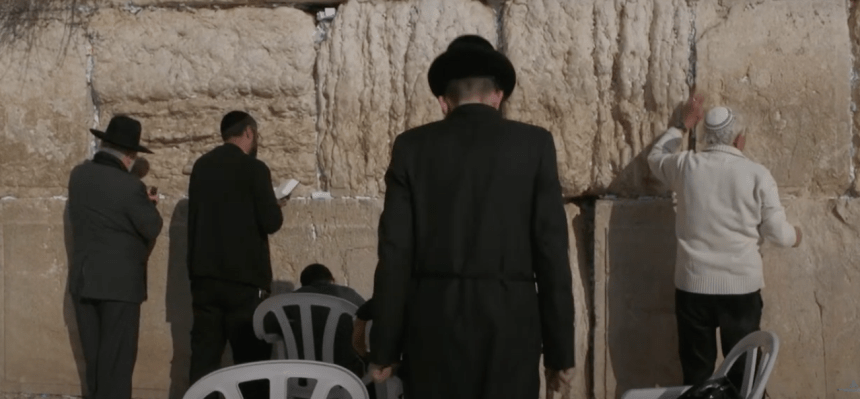
What a transformation? To lead a Christian life by being the image of Jesus can be difficult. We need to throw out the ‘self’ in us and accept the many suffering we had as lessons in building our faith in Christ. Gold has to be tested by extreme heat to be perfect. In Isaiah 48:10, God had said: “I have refined you, though not as silver; I have tested you in the furnace of affliction.” Let us continue to live a life that others can see the Jesus Christ in our deeds. That is perhaps the best testimony we can give to our Lord. And let us proceed to interfaith dialogue with those that believe in another version of the same God we have.
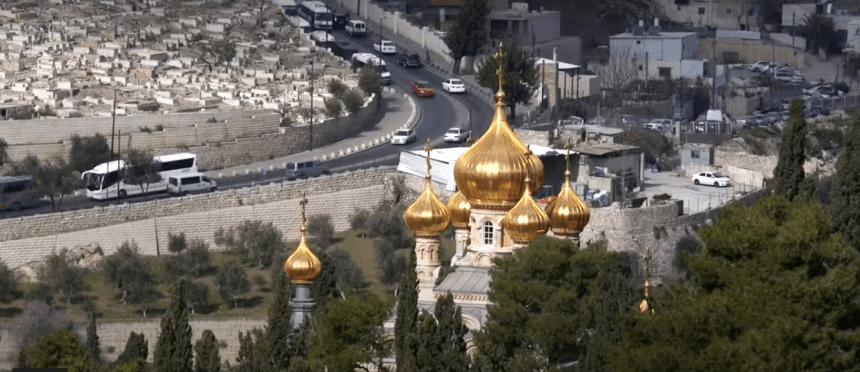
Interfaith dialogue creates a platform for meaningful conversation that transcends simply being tolerant of one another’s beliefs. Instead, it enables us to celebrate our differences while recognising they cab ve used as a source of strength in our lives. Through this type of dialogue, we can begin to appreciate the unique gifts each religion brings to the world. We can explore topics such as religious ideologies, cultural norms, and ethical considerations without preaching about one’s own beliefs.
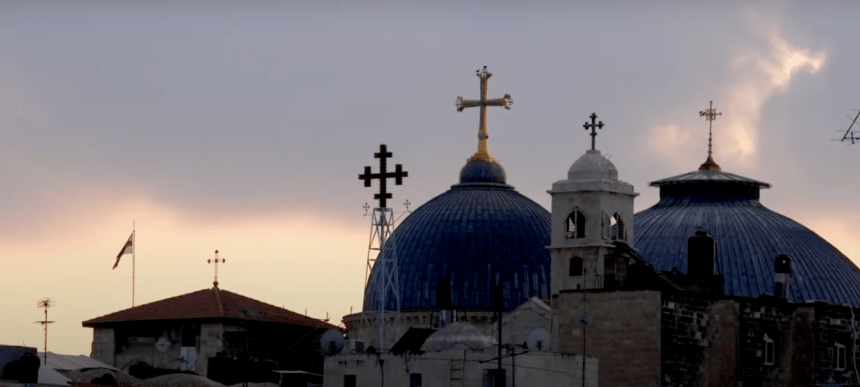
Interfaith dialogue also serves as an outlet to discuss sensitive topics in a safe environment. By discussing some of the difficult issues societies face, we can begin to find common ground between the various faiths. We can think through our beliefs in search of solutions that respect all religions. This can open up new possibilities for peace and collaboration among different groups.
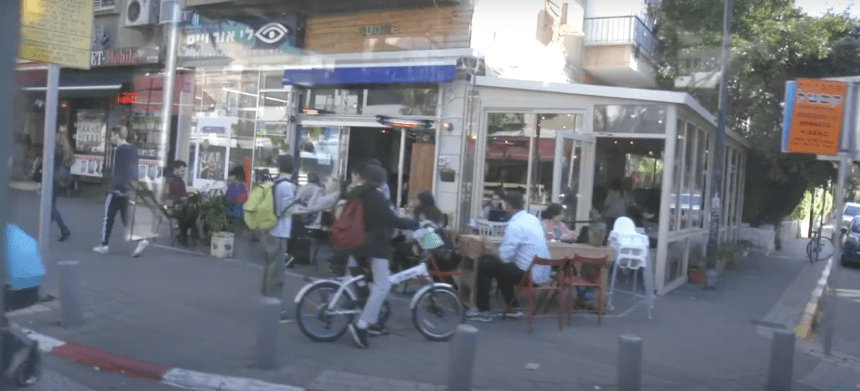
Overall, interfaith dialogue is essential for understanding and peacefully resolving conflicts within a society. By participating in respectful conversations with people from diverse backgrounds and beliefs, individuals can gain insight into each faith tradition and benefit from their unique perspectives. Through this mutual understanding, we can work together to build stronger communities and a more peaceful world.
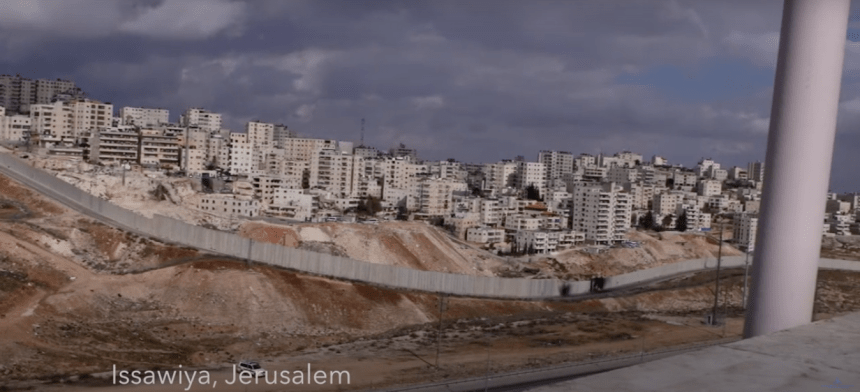
We must come together and have a talk, Where faith and understanding will not balk.
For peace cannot be found in just one creed, If the differences that we have we do not heed!
Let us create a platform to share and exchange, Where oppression and fear can take an uneasy range.
A place of compassion and love to connect, Where our views but never truly reflect.
An open-minded dialogue in where our future lies, To ensure everyone’s beliefs are realised.
 English