
J. B. Stanley’s A Killer Collection

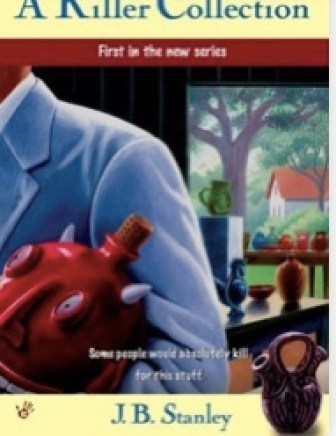
J. B. Stanley is the nom de plume of author Ellery Adams. ‘A Killer Collection’ is the first story in a series featuring Molly Appleby, who is an intelligent writer for a magazine known as The Collector’s Weekly. Molly was raised by her antique-living mother and she carried on her mother’s tradition to become an expert in antiques.
(Chinese) J. B. Stanley 是作家 Ellery Adams 的化名。 “杀手收藏”是莫莉·阿普尔比系列的第一个故事,莫莉·阿普尔比是一家名为《收藏家周刊》的杂志的聪明作家。莫莉是由在世的古老母亲抚养长大的,她继承了母亲的传统,成为了古董专家。
(Maori Language)Ko J. B. Stanley te ingoa o te kaituhi a Ellery Adams. Ko 'A Killer Collection' te korero tuatahi i roto i te raupapa e whakaatu ana i a Molly Appleby, he kaituhi mohio mo te maheni e kiia nei ko The Collector's Weekly. I whakatipuhia a Molly e tona whaea e noho ana i nga wa o mua, a, i mau tonu ia ki nga tikanga a tona whaea kia mohio ai ia ki nga taonga tawhito.
Molly was assigned by the magazine to cover the opening of a kiln belonging to a pottery maker, who was getting his name known in the industry. Then she met up with George-Bradley Staunton who was a collector. Later, George dropped dead soon at the opening of the kiln festivities and his death was ruled as ‘accidental’. Molly, however, suspected that the case was a carefully planned murder and together with her mother, she set out to find the tiny drakes in an unstoppable killer’s handicraft.
莫莉被该杂志选为一家陶瓷制造商开窑的报道,该制造商的名字在业内很有名。然后他遇到了收藏家乔治-布拉德利·斯汤顿。后来,乔治在开炉仪式上去世,他的死被形容为“意外”。然而,莫莉怀疑此案是一起有预谋的谋杀案,她和她的母亲着手寻找凶手行动中的小线索。
(Maori) I tohua a Molly e te moheni ki te uhi i te whakatuwheratanga o te oumu na tetahi kaihanga uku, e mohiotia ana tona ingoa i roto i te umanga. Katahi ka tutaki ia ki a George-Bradley Staunton he kaikohi. No muri mai, ka mate a George i te whakatuwheratanga o nga huihuinga o te oumu, ka kiia ko tona matenga he 'tutukituki'. Heoi, i whakapae a Molly he kohuru i ata whakamaheretia te keehi, ka haere tahi raua ko tona whaea ki te kimi i nga tarariki iti i roto i nga mahi a te kaikohuru.
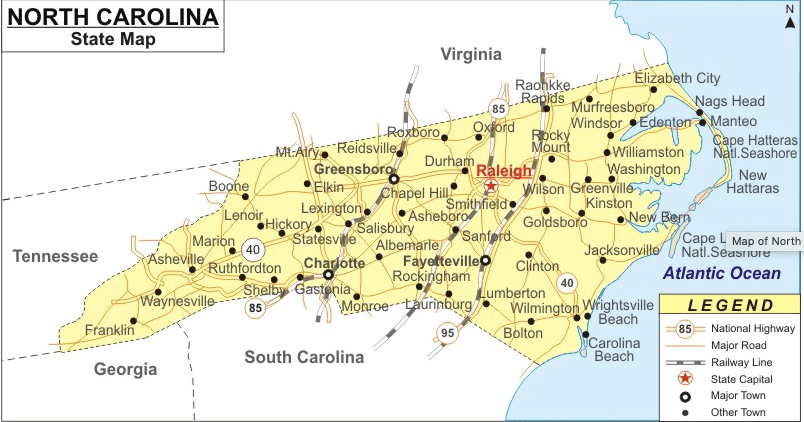
This story’s background location is in the established pottery area of South Carolina, USA, in the vicinity of the Sanford, south of Asheboro, the city that George-Bradley Staunton lived. His death was at the kiln opening event at C. C. Burle Pottery, Seagrove. Famous potters in the area included Billy Ray Hussey, Bob Owen, The Meaders, Dave The Slave Potters, and Jack Graham Pottery.
这个故事的背景地点位于美国南卡罗来纳州已建成的陶器区,在乔治-布拉德利·斯汤顿居住的城市阿什伯勒以南的桑福德附近。他的死是在西格罗夫 C. C. Burle Pottery 的开窑仪式上。该地区著名的陶艺家包括比利·雷·赫西 (Billy Ray Hussey)、鲍勃·欧文 (Bob Owen)、米德斯 (The Meaders)、戴夫奴隶制陶工 (Dave The Slave Potters) 和杰克·格雷厄姆陶艺 (Jack Graham Pottery)。
Ko te waahi o tenei pakiwaitara kei roto i te waahi porehu kua whakaritea i South Carolina, USA, i te takiwa o Sanford, ki te tonga o Asheboro, te taone i noho ai a George-Bradley Staunton. I mate ia i te hui whakatuwhera kiln i C. C. Burle Pottery, Seagrove. Ko nga kaihanga pota rongonui o taua takiwa ko Billy Ray Hussey, ko Bob Owen, ko The Meaders, ko Dave The Slave Potters, me Jack Graham Pottery.
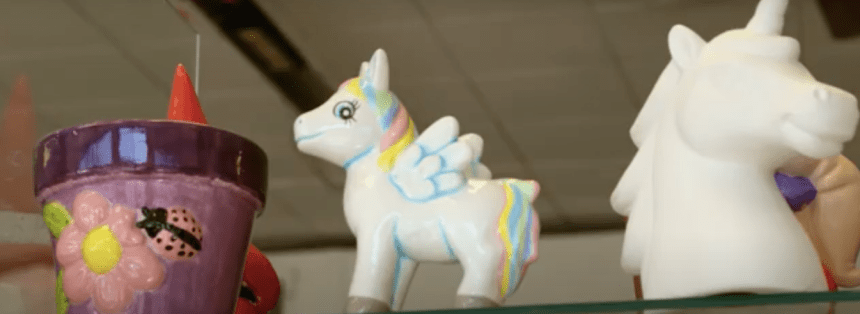
“Potters have always described the forms they produce in terms of the human body. Pots have feet, bellies, shoulders, necks and lips. Kilns are consider anthropomorphic beings, with faced and breasts eyes and backbones, and unpredictable behavioural patterns. Early potters kept old pots assume totemic objects on their kilns to placate the spirits.”
“陶艺家总是用人体来描述他们生产的形状。罐有脚、肚、肩、颈和嘴唇。窑被认为是拟人化的生物,有脸和胸的眼睛和脊椎,以及不可预测的行为模式。早期的陶艺家一直保持旧锅在他们的窑炉上放置图腾物品以安抚精神。"
"Ko nga kaihanga rihi he korero i nga wa katoa mo te ahua o te tinana o te tangata. He waewae, he puku, he pakihiwi, he kaki me nga ngutu o te kohua. Ko nga umu he mea hanga tangata, he kanohi me te u nga kanohi me nga tuara, me nga tauira whanonga ohorere. Ko nga kohua tawhito e mau ana i nga taonga totemic i runga i o ratou umu hei whakamahana i nga wairua."
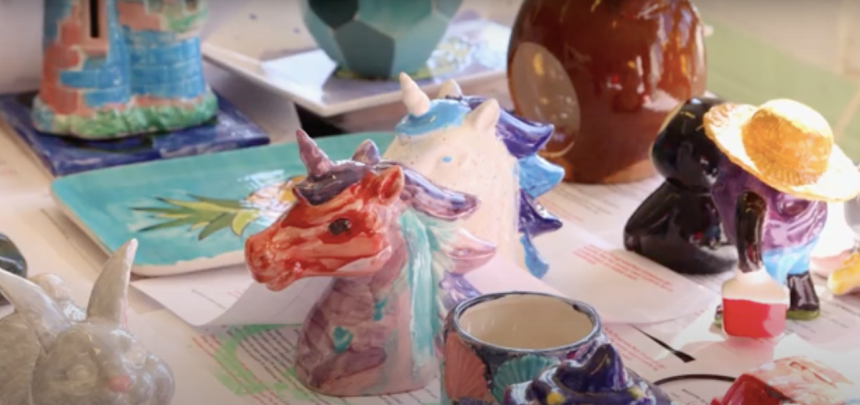
anthropomorphic - relating to or characterised by anthropomorphism.
“explanations of animal behaviour in anthropomorphic terms” *** having human characteristics.
Examples: “anthropomorphic bears and monkeys”
Anthropomorphism is the attribution of human traits, emotions, or intentions to non-human entities. It is considered to be an innate tendency of human psychology.
拟人化的——与拟人化有关或具有拟人化特征的。
“用拟人化术语解释动物行为”***具有人类特征。
“拟人化熊和猴子”
拟人化是将人类特征、情感或意图归因于非人类实体。它被认为是人类心理的一种先天倾向。
anthropomorphic - e pa ana ki te tohu tangata ranei.
"whakamaramatanga mo te whanonga kararehe i roto i nga kupu anthropomorphic" *** he ahuatanga tangata.
"anthropomorphic bears and monkeys"
Ko te Anthropomorphism te tohu o nga ahuatanga tangata, nga kare-a-roto, nga whakaaro ranei ki nga hinonga ehara i te tangata. E kiia ana ko te ahua o te hinengaro o te tangata.
Heading south, Lex drove just outside the city limits and turned right onto a curved lane lined with ancient magnolia trees. They were in full bloom; their wide, creamy flowers sat like cupped hands in the waxy leaves. The thick branches met and intertwined across the heights of the street, creating a sun-speckled path to the Staunton Estate.
向南行驶,Lex 开到城外,右转进入一条弯曲的车道,车道两旁种满了古老的玉兰树。它们盛开;它们那宽大的乳白色花朵像杯状的手一样坐在蜡质的叶子上。粗壮的树枝在街道的高处相遇并交织在一起,形成了一条通往斯汤顿庄园的阳光斑驳的小路。
Ka anga whakatetonga, ka peia a Lex ki waho o te rohe o te taone nui, ka huri matau ki te ara kopikopiko e mau ana i nga rakau magnolia tawhito. Kua pua katoa ratou; ko o ratou puawai whanui me te kirikiri e noho ana ano he ringa kapu i roto i nga rau waxy. I tutaki nga manga matotoru me te hono ki runga i nga teitei o te tiriti, ka hanga he ara totikara ki te whenua o Staunton.
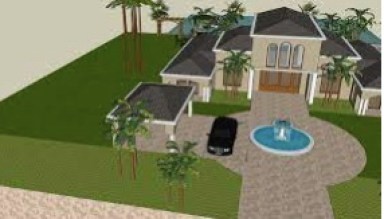
At the foot of the driveway, two tall wrought iron gates were open for their arrival, controlled electronically from the house. A beautiful cobblestone driveway, slick with water after its wash, led them up a crested hill dotted with dogwoods, pear trees, and crepe myrtles. Each side of the driveway was lined with a bed of lilies, coneflowers, and black-eyed Susans. There wasn’t so much leaf out of place in the yard. When the house came into view, Molly gasped.
在车道脚下,两扇高大的锻铁大门为他们的到来敞开,由房子进行电子控制。一条美丽的鹅卵石车道,洗完后沾满了水,把他们带到了一座点缀着山茱萸、梨树和桃金娘的有顶峰的小山上。车道的每一边都种满了百合花、松果花和黑眼睛的苏珊。院子里没有那么多不合适的叶子。当房子映入眼帘时,莫莉倒吸一口凉气。
I te rekereke o te huarahi, e rua nga keti rino roa e tuwhera ana mo te taenga mai, he mea hiko mai i te whare. He ara ataahua toka toka, he kopa ki te wai i muri i tana horoinga, i arahi i a ratou ki runga ki tetahi puke hikaka kua kapi ki nga rakau kuri, rakau pear, me nga ramarama. Ko ia taha o te huarahi kua whakakikoruatia ki te moenga o nga rengarenga, nga putiputi, me nga Huhana kanohi mangu. He iti rawa te rau o te waahi i te iari. I te kitenga atu o te whare, ka hoha a Molly.
A large Georgian brick, the house greeted them with a wide front veranda bordered by boxwood bushes. Thick, white columns flanked the door and a flagstone path wove off to the side, leading to a walled kitchen garden. From the centre of the house, two long wings moved off symmetrically to each side, giving the impression of a pair of strong arms resting on the ground. The beige trim was clean, the black shutters shone as if newly painted, the windows sparkled without streaks in the morning sun, and the front step welcome them with a woven doormat with the letter S monogrammed upon it.
这所房子是一块巨大的格鲁吉亚砖,前面有一个宽阔的阳台,四周是黄杨木灌木丛。厚厚的白色柱子在门的两侧,一条石板路在旁边编织,通向一个有围墙的厨房花园。从房子的中央,两只长长的翅膀对称地向两边移动,给人的印象是一对强壮的手臂搁在地上。米色的装饰很干净,黑色的百叶窗闪闪发光,仿佛新粉刷过,窗户在早晨的阳光下闪闪发光,没有条纹,前面的台阶用编织的门垫欢迎他们,上面印着字母S字母组合。
He pereki Georgian nui, i mihi te whare ki a ratou me te mahau whanui o mua i te taha o nga rakau rakau. Ko nga pou matotoru, ma i te taha o te kuaha, ka whiria he ara karaehe ki te taha, ka ahu atu ki tetahi kari kihini kua oti te taiepa. Mai i te pokapū o te whare, e rua nga parirau roa e neke hangarite ana ki ia taha, ka puta te ahua o te rua o nga ringa kaha e tau ana ki te whenua. He ma te kuti beige, ka whiti nga kati pango me te mea he mea peita hou, ka kanapa nga matapihi kaore he korikori i te ra o te ata, ka powhirihia e te hikoi o mua me te whariki kua raranga me te reta S i tuhia ki runga.
Lex moved forward and rang the bell. A series of ding-dongs purred through the house. Molly half expected a butler to answer the door, stiff-necked and dressed in full house uniform, but Bunny opened it instead.
Lex向前走去,按响了门铃。一连串的叮咚声在屋子里响起。莫莉半以为会有管家来开门,他挺着脖子,穿着全套制服,但兔子却打开了门。
I neke whakamua a Lex ka tangi te pere. He raupapa o nga ding-dongs e pupuhi ana i roto i te whare. Ko te haurua o Molly ka whakahoki mai tetahi kaiparapara i te kuaha, he kaki maro, he kakahu mo te whare katoa, engari ka whakatuwherahia e Bunny.
The narrow tree-lined drive was already lined with cars as the sum began to warn the sky of its imminent arrival.
当总和开始警告天空它即将到来时,狭窄的绿树成荫的车道已经排满了汽车。
Ko te waka whaiti kua mau ki nga motuka i te wa i timata te moni ki te whakatupato i te rangi mo tona taenga mai.
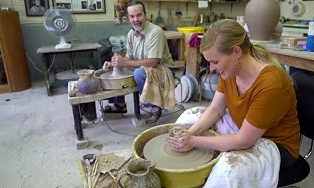
The calmness on peoples’ faces was really a charade. Nervous glances were thrown back and forth between one’s neighbour, the table of pottery and the ticking face of a watch. Tensions sat in the air like a low, heavy thunderhead, his neck was so thick that it seemed to have swallowed his chin.
人们脸上的平静真是一种伪装。紧张的目光在邻居、陶制的桌子和手表滴答作响的表盘之间来回扫视。空气中弥漫着一股低沉而沉重的雷雨,他的脖子粗得仿佛要吞下他的下巴。
Ko te marino i runga i nga kanohi o te iwi he tino whakapohehe. Ko nga titiro ohorere ka maka atu ki waenga i tona hoa tata, i te tepu potiki me te mata o te wati. Ka noho te raruraru i te rangi ano he whatitiri iti, taumaha, he tino matotoru tona kaki, me te mea kua horomia tona kauae.
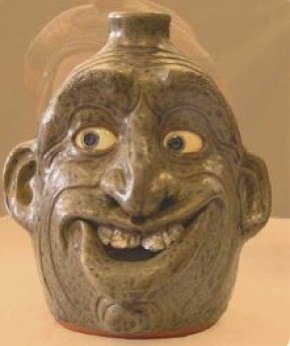
George-Bradley Staunton was a rich lawyer in practice as well as an active collector of pottery especially of the Southern Carolina County. His had always been a bully, gate-crashing into kiln openings and pottery auctions. He had a bull frog face, with formless neck and bulging green eyes. He leered at Molly and her mother, Clara, raking both of them from head to toe with eyes while his thin lips stretched into a snake-like smile eerily like the one on the pottery pitches.
George-Bradley Staunton 是一位富有的执业律师,也是一位活跃的陶器收藏家,尤其是南卡罗来纳县的陶器收藏家。他一直是个恶霸,闯入窑口和陶器拍卖会。他有一张牛蛙的脸,脖子没有形状,绿色的眼睛凸出来。他斜睨着莫莉和她的母亲克拉拉,用眼睛从头到脚扫视着他们两人,而他的薄唇张开,露出蛇一般的笑容,诡异地像陶艺场上的笑容。
He roia whai rawa a George-Bradley Staunton i roto i nga mahi me te kaikohi potiki rawa atu o te Kauti o South Carolina. I nga wa katoa he tangata whakaweti ia, he kuaha e pakaru ana ki nga tuwhera oumu me nga hokonga uku. He mata poroka tona mata, he kaki kore ahua me nga kanohi kaakaariki puhoi. Ka titiro atu ia ki a Molly me tona whaea, ki a Clara, ma te karu o raua tokorua mai i te mahunga ki te matimati me ona kanohi i te wa e toro ana ona ngutu angiangi ki te ahua nakahi te ahua o te ataata o te nakahi penei i tera i runga i te whare uku.
He dabbed at the beads of sweat on his forehead with a natty, monogramed handkerchief and moved forward.
他用一条漂亮的印有字母组合的手帕轻轻擦了擦额头上的汗珠,然后向前走去。
Ka pania e ia nga pirepire o te werawera ki tona rae ki te tauera natty, monogramed ka anga whakamua.
Now that George-Bradley Staunton was dead, apparently from an overdose of insulin as he needed that for his diabetes. The official pronouncement was that this death was accidental. But Molly and her mother Clara (Appleby) thought otherwise. They smelt ‘murder’ in the air and both of them sought out to uncover the truth of the matter. Was George-Bradley Staunton really murdered, and if so, by whom?
There was George-Bradley’s wife, Bunny, as a prime suspect for the murder. Bunny had no love for pottery and the fact that she wanted to get rid of everything that belonged to George, including George’s valuable collection of antiques and pottery items) in a hurry was indicative of something gone wrong, to Molly’s mind.
现在 George-Bradley Staunton 已经死了,显然是因为他的糖尿病需要胰岛素过量。官方的说法是,这次死亡是偶然的。但莫莉和她的母亲克拉拉(阿普尔比)却不这么认为。他们在空气中闻到了“谋杀”的味道,他们俩都试图揭开事情的真相。 George-Bradley Staunton 真的被谋杀了吗?如果是,被谁谋杀?
George-Bradley 的妻子 Bunny 是这起谋杀案的主要嫌疑人。兔子不喜欢陶器,而且她想匆忙摆脱属于乔治的所有东西,包括乔治收藏的珍贵古董和陶器,这在莫莉的脑海中预示着出了点问题。
Inaianei kua mate a George-Bradley Staunton, te ahua nei na te nui o te horopeta o te insulin i te mea e hiahiatia ana e ia mo tana mate huka. Ko te korero whaimana ko tenei mate he mea ohorere. Engari he rereke te whakaaro o Molly me tona whaea a Clara (Appleby). I hongi ratou i te 'kohuru' i te rangi, ka rapu raua tokorua ki te hura i te pono o te take. I tino kohurutia a George-Bradley Staunton, a ki te pera, na wai?
I reira ko te wahine a George-Bradley, a Bunny, hei tino whakapae mo te kohuru. Karekau a Bunny i aroha ki te potiki me te mea i pirangi ia ki te whakakore i nga mea katoa a George, tae atu ki te kohinga taonga a George o nga taonga tawhito me nga taonga pomea) i te tere he tohu kua he, ki te hinengaro o Molly.
Then there was another lady, or even a series of ladies, who were running around with George-Bradley, and they were suspects of his murder too.
Another rival collector, a pharmacist by the name of Hillary Keane, went missing immediately after George-Bradley’s death. He could be that murderer too.
然后是另一位女士,甚至是一系列女士,他们和乔治-布拉德利一起跑来跑去,她们也是谋杀他的嫌疑人。
另一位竞争对手,一位名叫希拉里·基恩的药剂师,在乔治-布拉德利死后立即失踪。他也可能是那个凶手。
Na tera ano tetahi wahine, ara etahi wahine, e omaoma haere ana i te taha o George-Bradley, a ko ratou ano te whakapae mo tana kohuru.
Ko tetahi atu kaikohi toa, he kai rongoa ko Hillary Keane te ingoa, i ngaro i muri tonu i te matenga o George-Bradley. Ko ia ano tera kohuru.
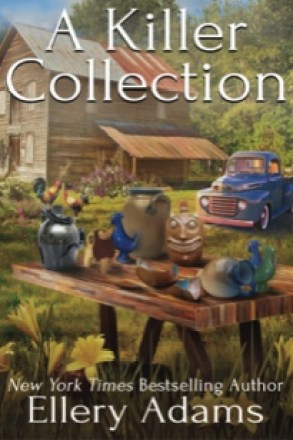
But, wait, there is more to come. No sooner did she start collecting clues, another dead body fell into her lap. As Molly digged beneath the genteel surface of antiques and collectibles, she found a world filled with backstabbing and competition, and what started as a story about rare collections left Molly with a collection of corpses.
但是,等等,还有更多。她刚开始收集线索,另一具尸体就倒在了她的腿上。当莫莉在古董和收藏品的优雅表面下挖掘时,她发现了一个充满背叛和竞争的世界,而从一个关于稀有收藏品的故事开始,莫莉留下了一堆尸体。
Engari, tatari, he maha nga mea kei te haere mai. Kaore i roa ka timata ia ki te kohi tohu, ka taka tetahi atu tinana mate ki roto i ona uma. I a Molly e keri ana i raro i te mata ngawari o nga taonga tawhito me nga taonga kohi, ka kitea e ia he ao e ki ana i te wero whakamuri me te whakataetae, a ko te mea i timata mai i te korero mo nga kohinga onge i mahue a Molly he kohinga tupapaku.
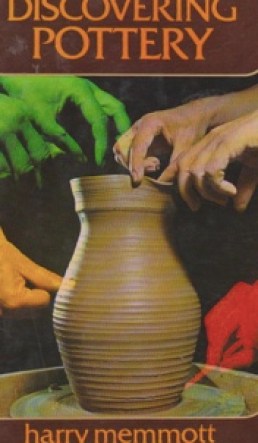
“The kiln is a constantly changing personality, from the lazy quiet beginning to the dramatic climax of full fire, flame issuing from all ports, and greedy demands for fuel.”
“窑是一个不断变化的个性,从慵懒的安静开始到满火的戏剧性高潮,从所有端口喷出火焰,以及对燃料的贪婪需求。”
"Kei te huri haere tonu te ahua o te oumu, mai i te tiimata mangere ki te mutunga o te ahi, te mura o te ahi e puta mai ana i nga tauranga katoa, me te hiahia apo mo te wahie."
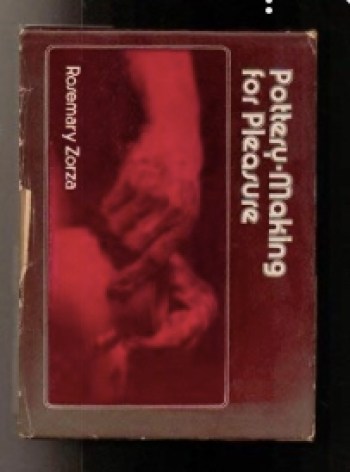
“People needs pots. You can see that from the way they love to look at them, to handle them and eventually to buy them.” Substitute the word “pots” with “crime books” and read the sentence again. Interesting? Dash to the library right now and search for this book under fiction then “S” for Stanley, J. B. or under “A” for Adams, Ellery. Make your views known to the world by commenting on the book in the space provided hereunder.
“人们需要花盆。你可以从他们喜欢看它们、处理它们并最终购买它们的方式中看出这一点。”将“花盆”一词替换为“crimebooks”并再次阅读该句子。有趣的?立即冲进图书馆,在“犯罪小说”下搜索这本书,然后在“S”下搜索 Stanley, J. B. 或在“A”下搜索 Adams, Ellery。在下面提供的空白处评论这本书,让世界知道你的观点。
“Kei te hiahia te tangata ki nga kohua. Ka kite koe i tera mai i te ahua o te aroha ki te titiro, ki te hapai, ka mutu ki te hoko.” Whakakapihia te kupu “pots” ki “pukapuka hara” ka panui ano i te rerenga korero. He mea whakamere? Patohia ki te whare pukapuka inaianei ka rapua tenei pukapuka i raro i nga korero pakiwaitara katahi ko “S” mo Stanley, J. B. ranei i raro i “A” mo Adams, Ellery. Whakaatuhia o whakaaro ki te ao ma te korero mo te pukapuka i te waahi kei raro nei.
 English