
Healthy Home Certificate
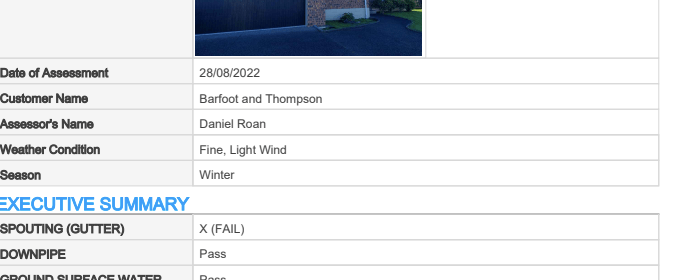
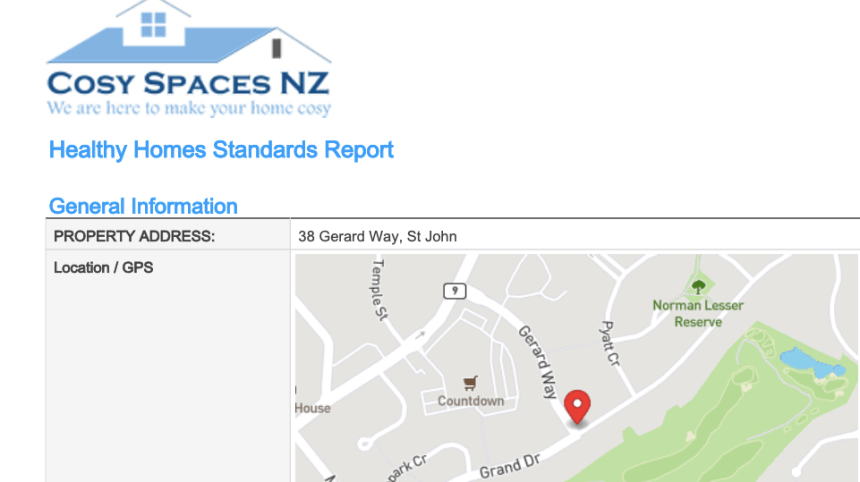
Every home in New Zealand that is intended for rental to the public is required to comply to the Healthy Home legislation. https://www.tenancy.govt.nz/healthy-homes?gclid=CjwKCAjw79iaBhAJEiwAPYwoCKNR5_pwlNJQ5ph2Xu3X9cphQxq7N9t1ZAgqWhjj3F_fsklFRvZuSRoC_z4QAvD_BwE This means that often, a tenant’s home is in a better and healthy shape than the home of his landlord. Interesting, isn’t it?
No. 38 Gerard Way, St. Johns, Auckland is currently up for rent and a hefty sum of around six thousand dollars has been spent in the compliance to the Healthy Home Standards. Here below is the breakdown of such an expense:
Glasswool R3.6 ceiling insulation to roofs (main and garage) $3,454.00
Windows/Doors gaps - Sealing to stop draught $450.00
Bathrooms - ducting to external walls $475.00
Clearing of gutters and downpipes $250.00
Heating compliance - installation of two heat pumps $2,200.00
In addition, the owners have to spend the following sums for minor repairs all round and for house and ground clean-ups.
Sliding doors - replacing locks and realignments $675.00
House cleaning - kitchen / bar, three bathrooms, four bedrooms, study, two lounges, garage $550.00
Water Blasting of external walls, windows, doors and driveways $725.00
Sealing of wall hook-holes and repainting $220.00
The Healthy Homes Standards Report of the house now follows:
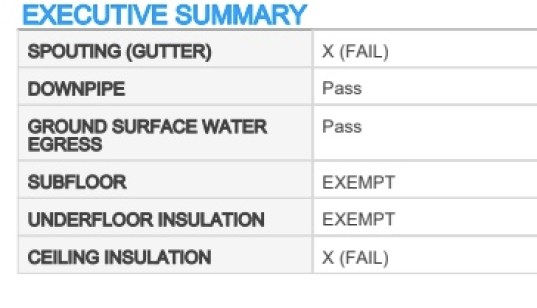
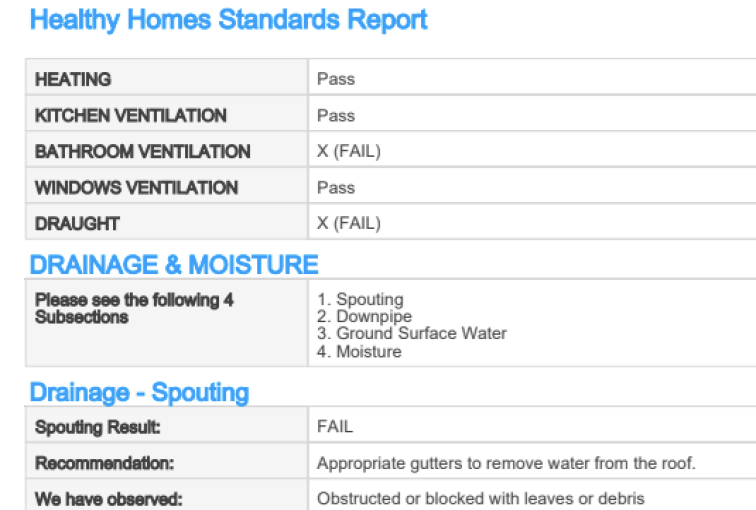
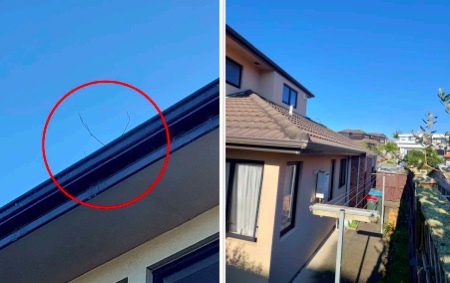
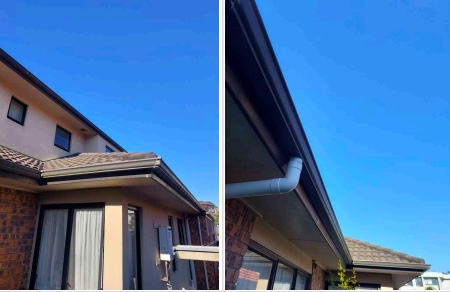
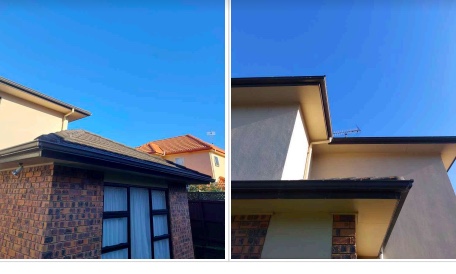
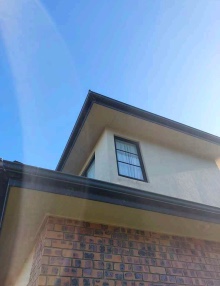
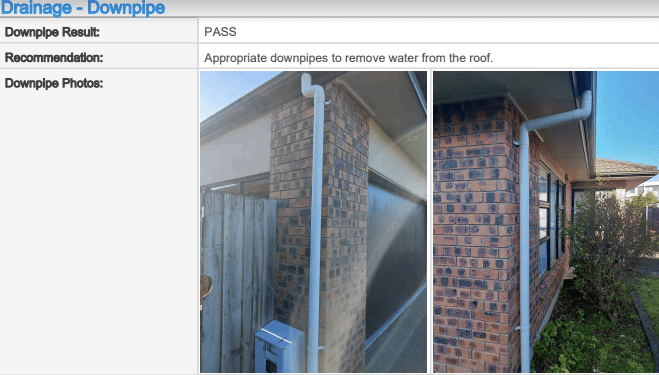
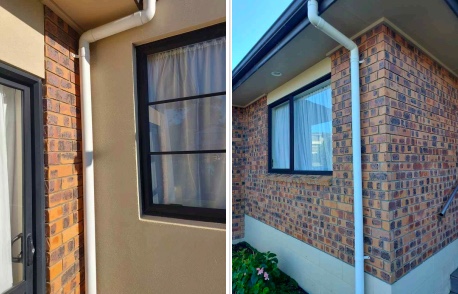
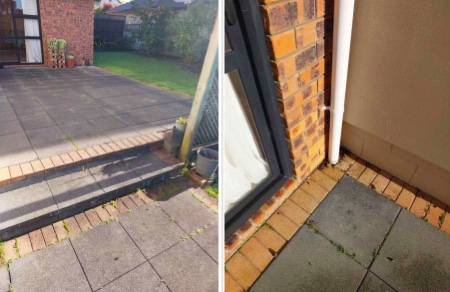
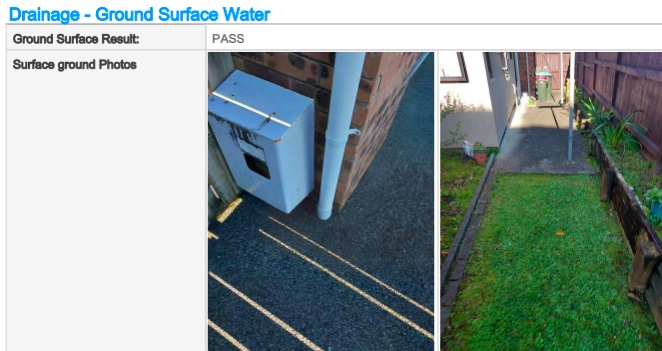
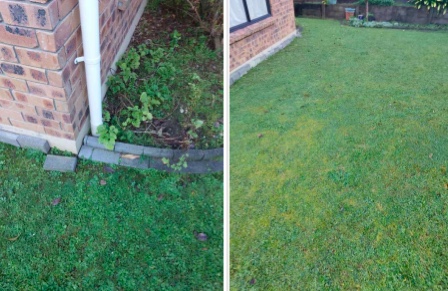
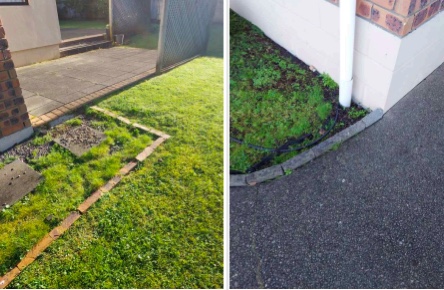
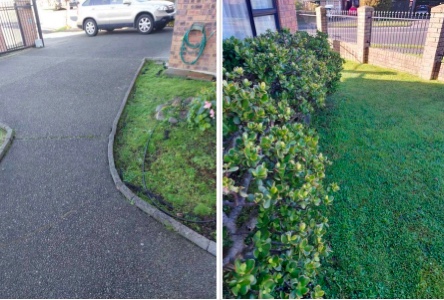
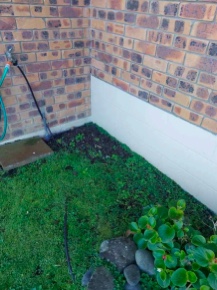
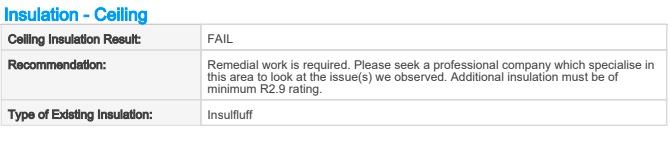
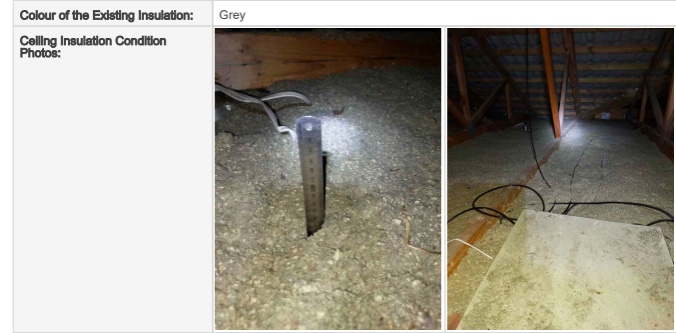
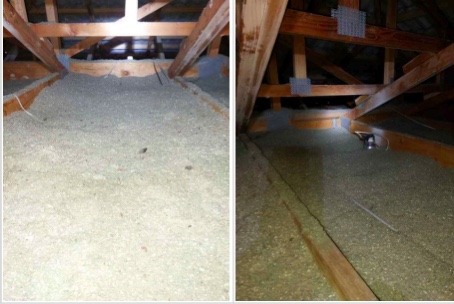
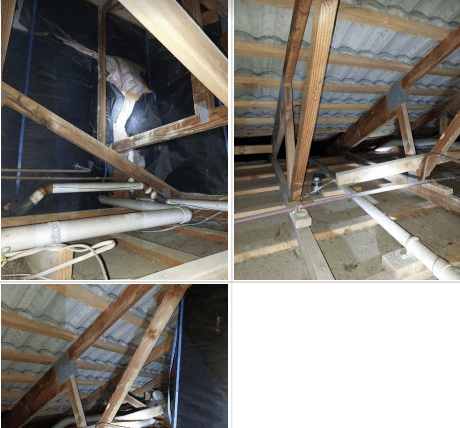
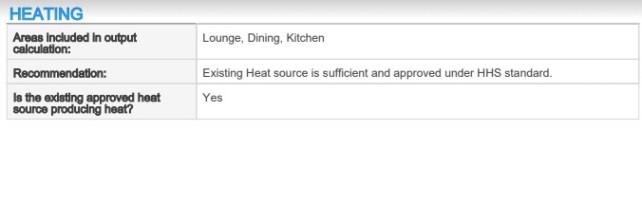
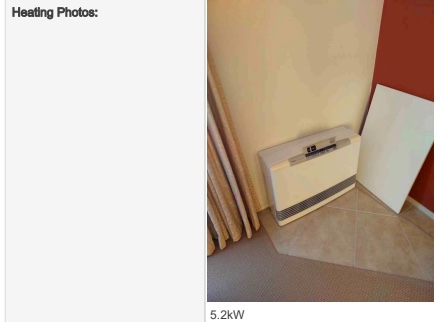
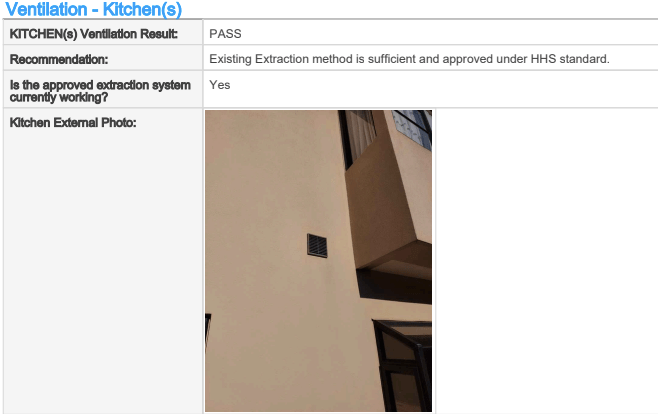
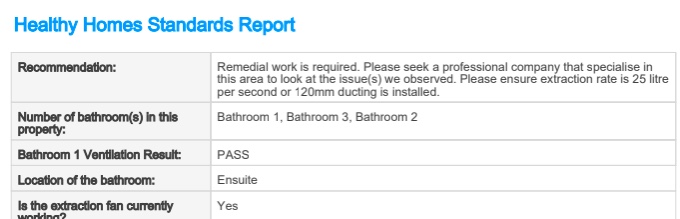
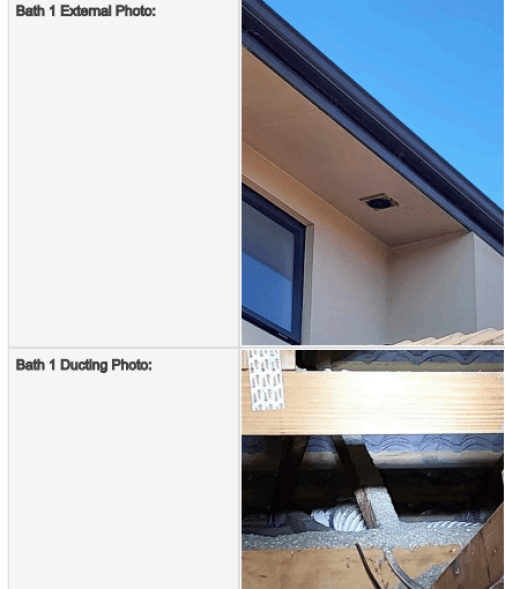
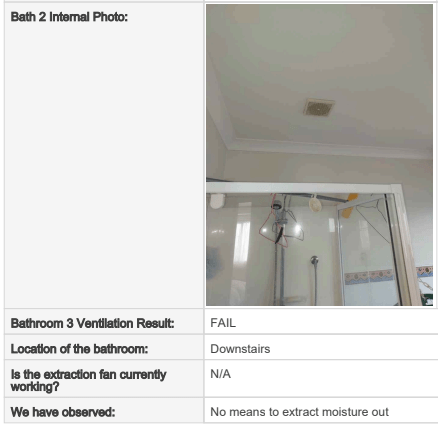
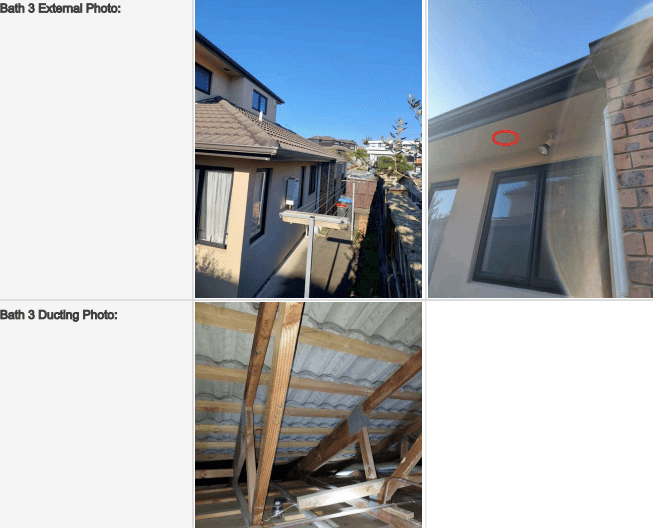
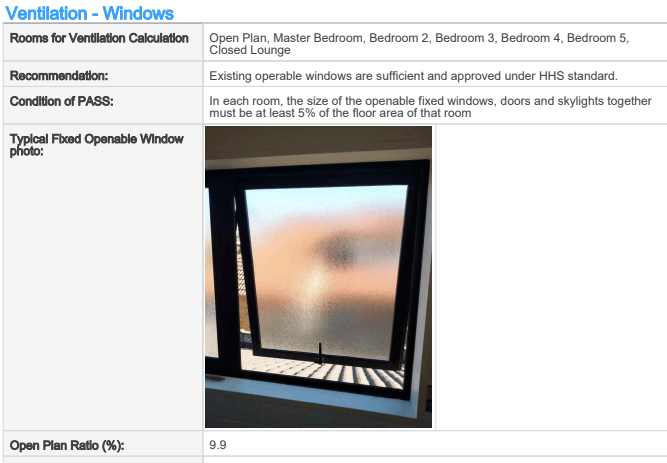
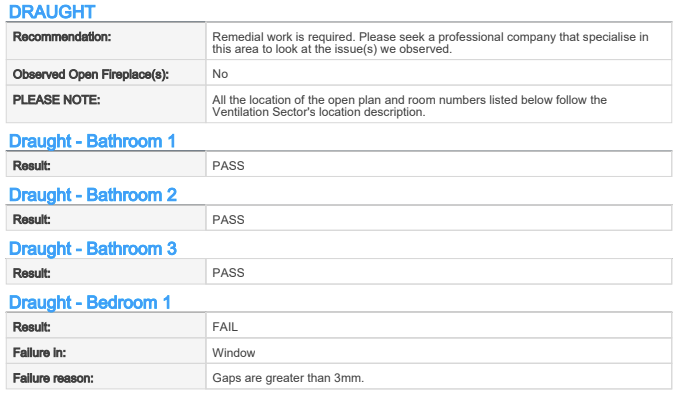
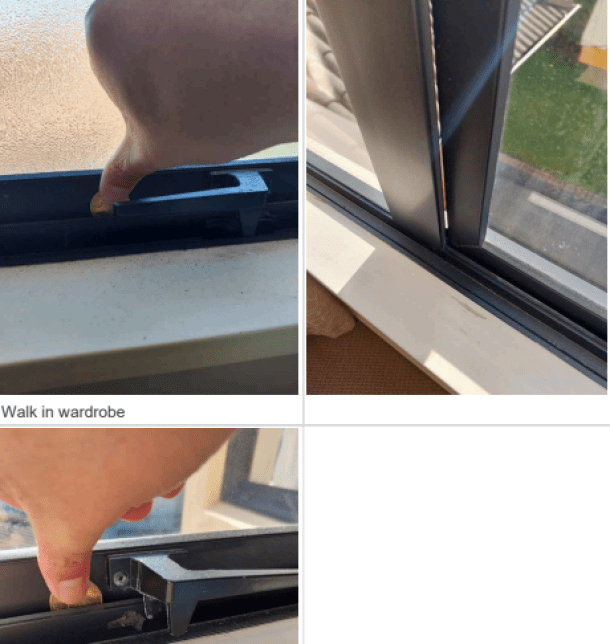
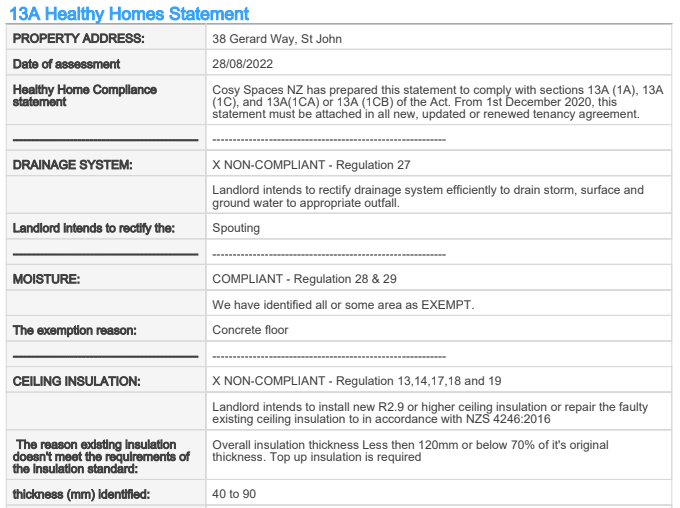
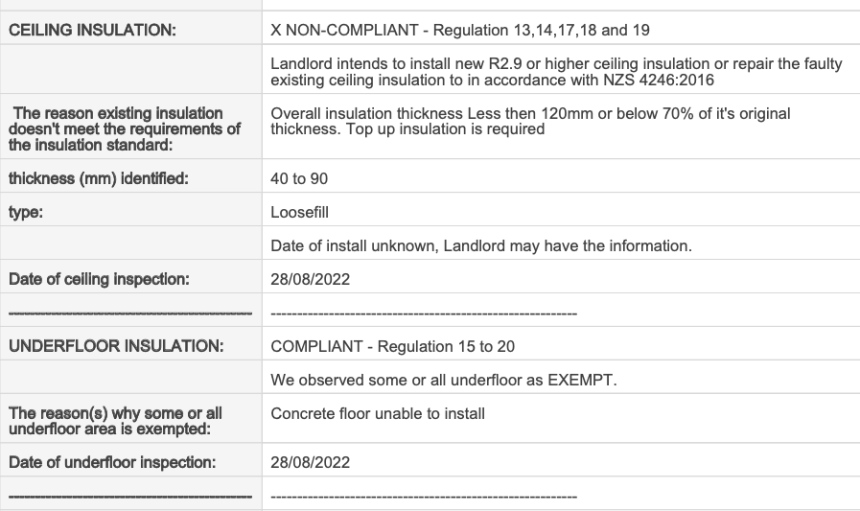
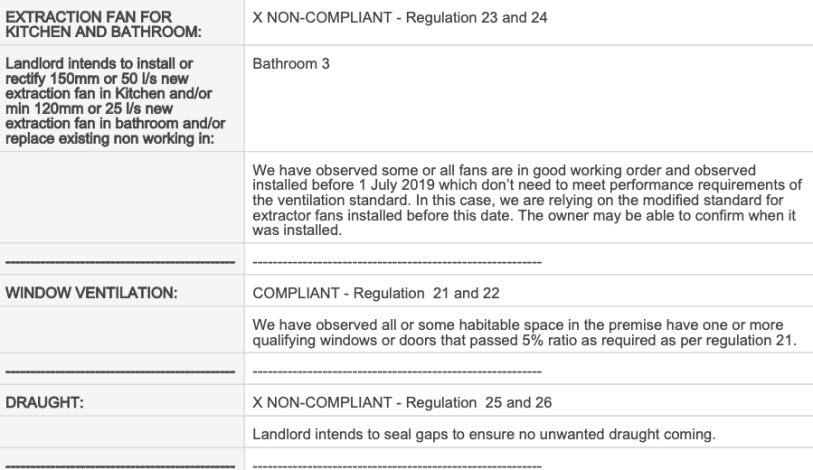
The New Zealand Government states in its website on the topic that, by improving the quality of rental homes, New Zealanders who rent will experience improved health, as well as lower medical costs and lower levels of hospitalisations. Warmer and drier homes are also less likely to have issues with mould or mildew damage, and it is a better protection of a landlord’s investment.
Healthy homes compliance timeframes
From 1 July 2019
- Ceiling and underfloor insulation will be compulsory in all rental homes where it is reasonably practicable to install.
- Landlords must sign a statement of intent to comply with the healthy homes standards in any new, or renewed (varied) tenancy agreement.
- This statement is in addition to the existing requirement to include a signed insulation statement with all tenancy agreements that covers what insulation the property has, where it is, and what type.
- Landlords must keep records that demonstrate compliance with any healthy homes standards that apply or will apply during the tenancy.
From 1 December 2020
- Landlords must include a statement of their current level of compliance with the healthy homes standards in most new or renewed tenancy agreements.
From 1 July 2021
- Private landlords must ensure their rental properties comply with the healthy homes standards within 90 days of any new, or renewed, tenancy.
- All boarding houses (except Kāinga Ora (formerly Housing New Zealand) and Community Housing Provider boarding house tenancies) must comply with the healthy homes standards.
From 1 July 2023
- All Kāinga Ora (formerly Housing New Zealand) houses and registered Community Housing Provider houses must comply with the healthy homes standards.
From 1 July 2024
- All rental homes must comply with the healthy homes standards.
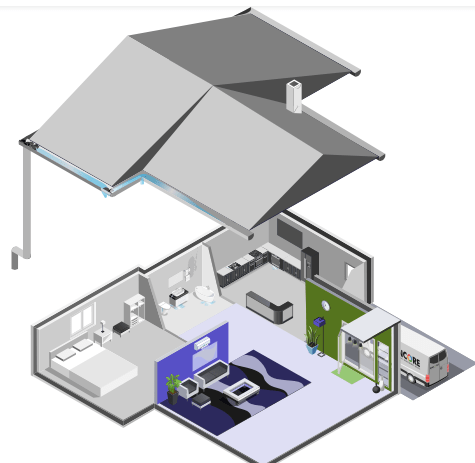
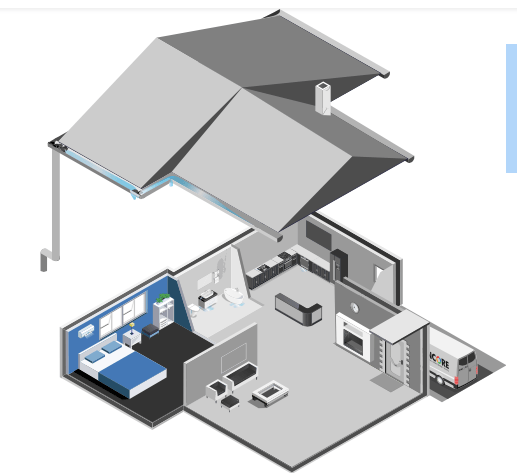
Let us take a look (through photographs) of the finished house, now ready to welcome its first tenants after being a family home since the house’s completion in the year 1999.
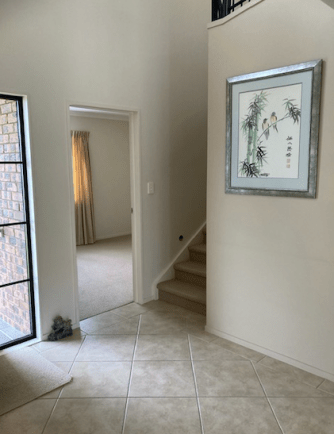
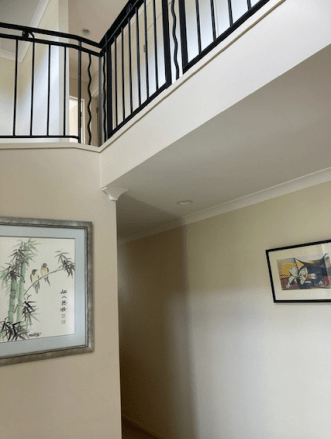
The Ground Floor Entrance Way. Two paintings: Birds and the Spanish Civil War. One door stopper.
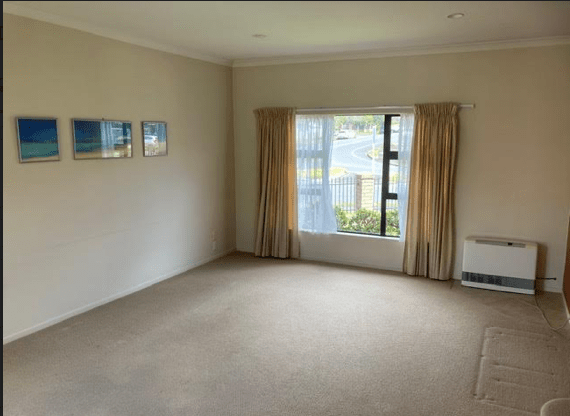
The Main Lounge, Ground Floor: Three wall pictures and a gas heater.
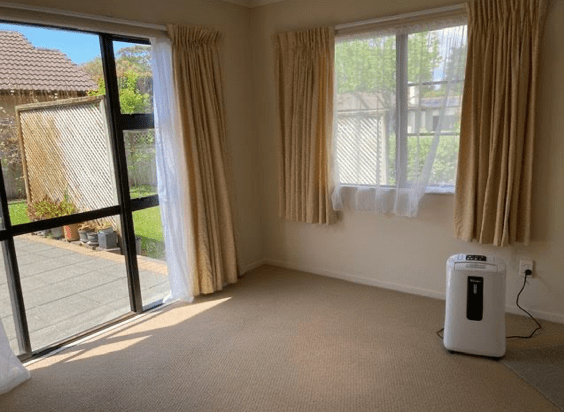
The second Lounge, Ground Floor. One electric dehumidifier.
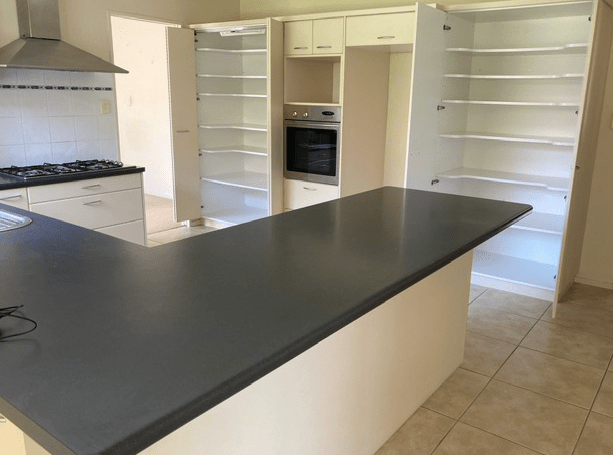
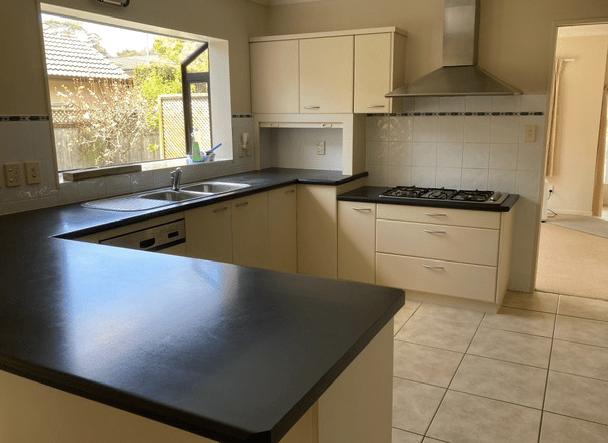
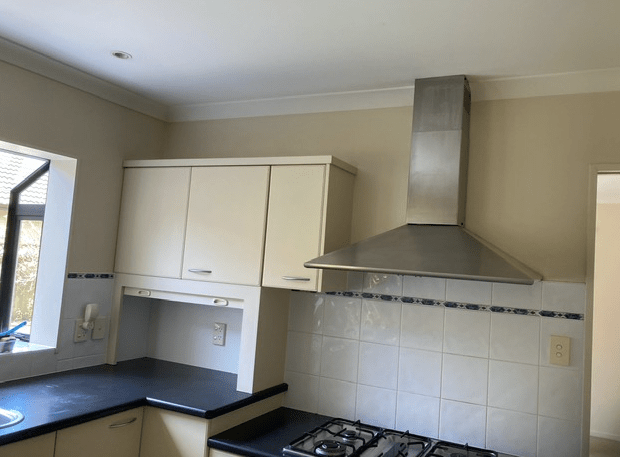
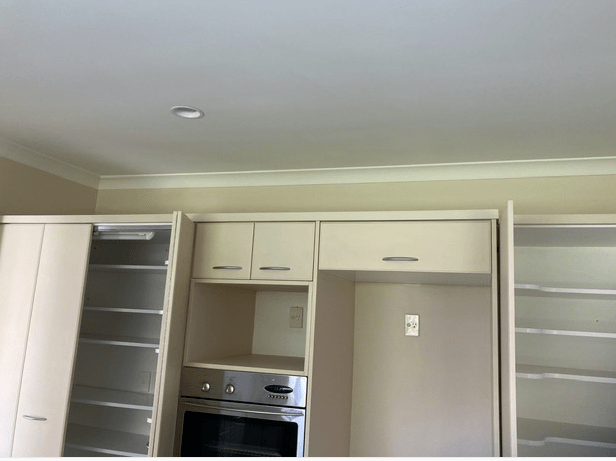
The Kitchen - all appliances in working order.
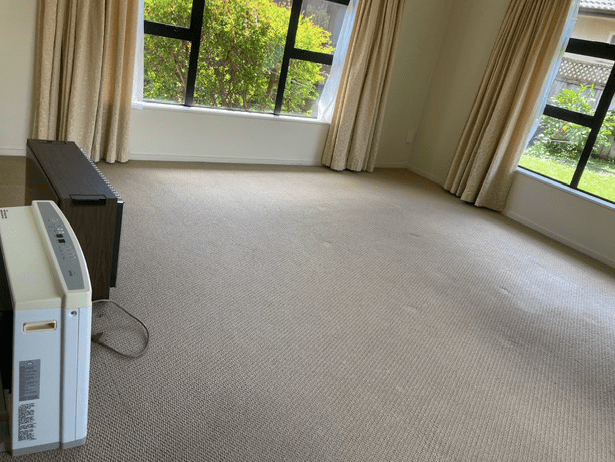
The Dinner Room. One gas heater and one electric heater.
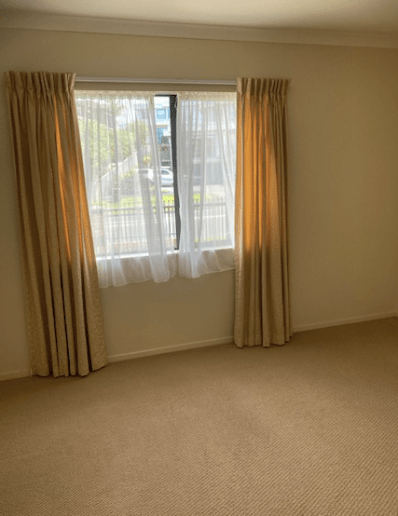
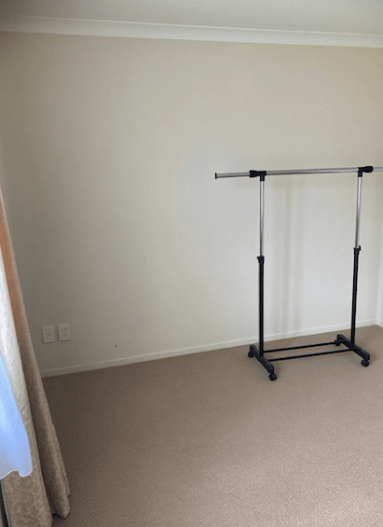
The Ground Floor front Study Room that can be made into the fifth bedroom (no wardrobe).
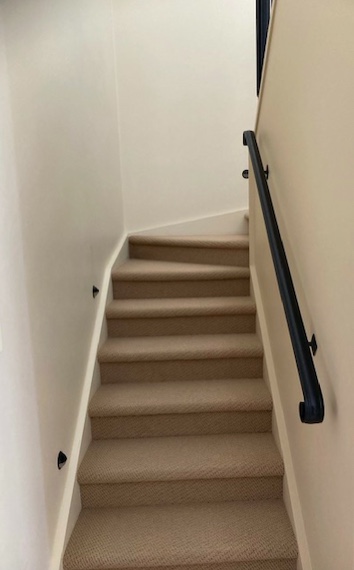
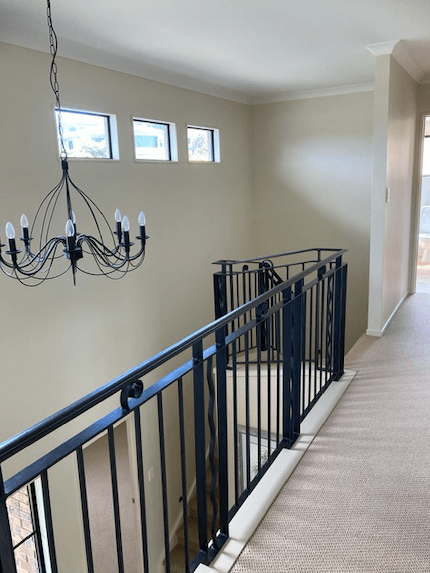
The Staircase and the Stair Well. NOTE: Missed photos of Guest’s Bedroom and Guest’s Shower-cum-toilet on Ground Floor (at rear).
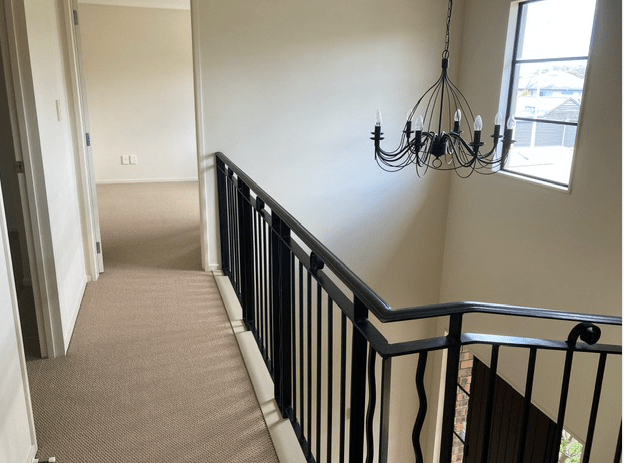
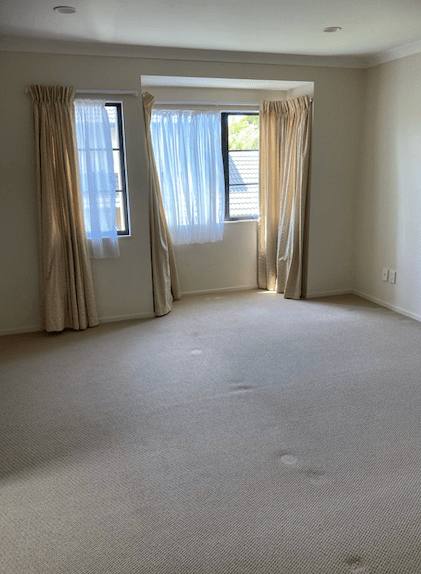
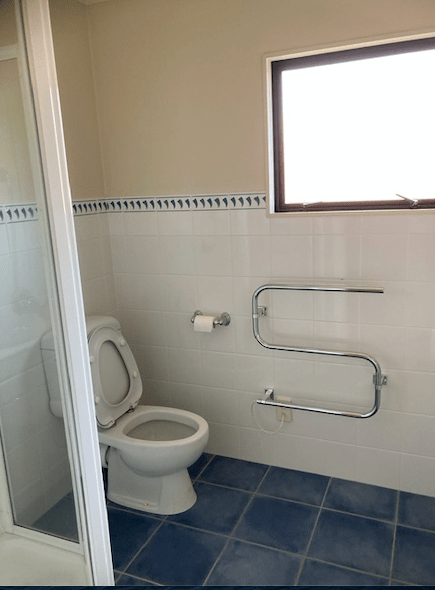
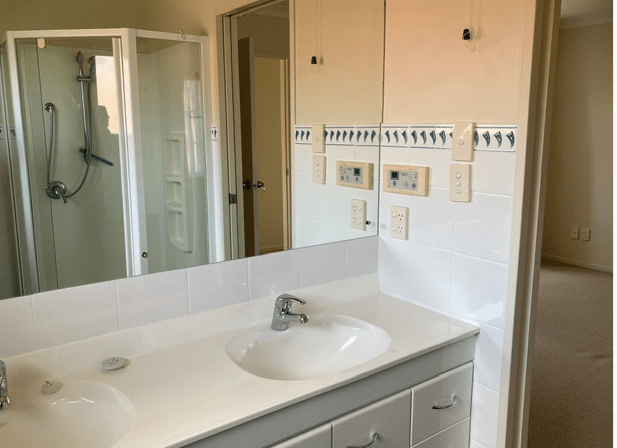
The Master Bedroom (upper floor) with Ensuite (shower and Toilet): (photos below).
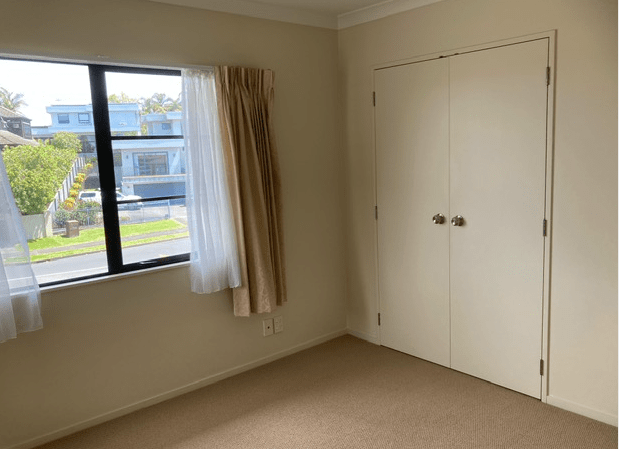
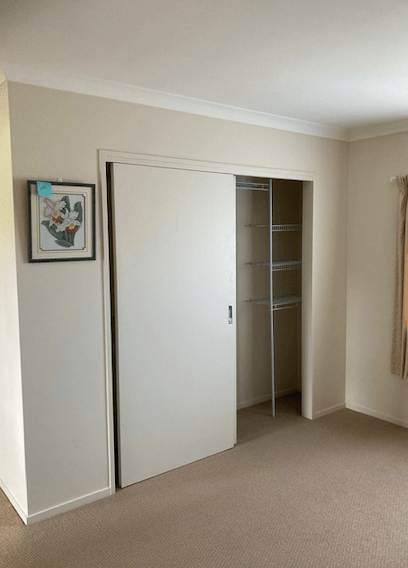
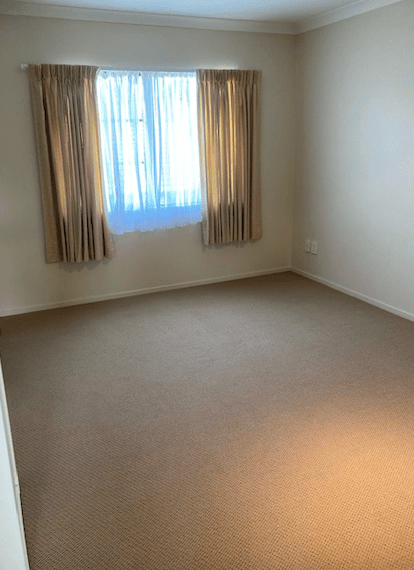
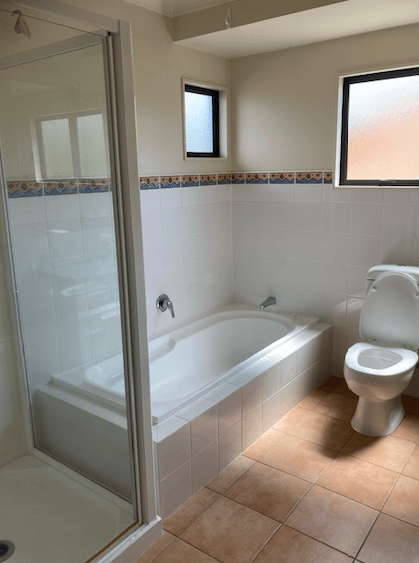
Two other bedrooms upper floor and one long bath with toilet.
 English