
Confucius - The Sage
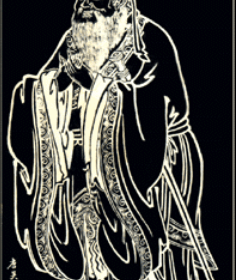
孔子 —— 圣人
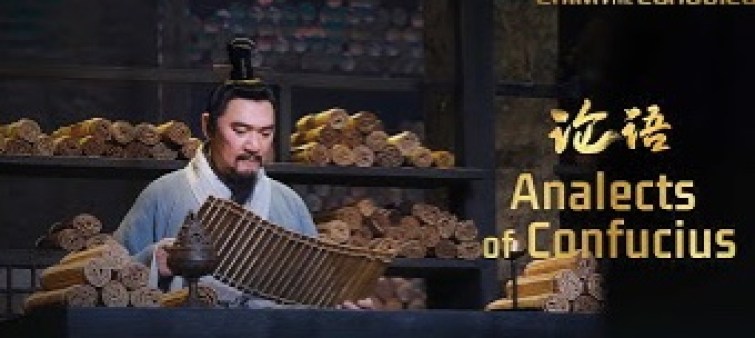
From Internet Encyclopedia of Philosophy: https://iep.utm.edu/confucius/ Confucius (551—479 B.C.)
Confucius, also known as Kongzi, or Master Kong, was a fifth-century Chinese (B.C.) thinker whose influence upon East Asian intellectual and social history is immeasurable. He still is a culturally symbolic figure, and he has been alternately idealised, deified, dismissed, vilified, and rehabilitated over the centuries by both Asian and non-Asian thinkers and regimes. However, his Confucianism does have major impact on Chinese, Korean, Japanese, and Vietnamese cultures and thoughts. Confucianism can be traced to the sayings and biographical fragments recorded in the text known as the Analects (Chinese: Lunyu).
As with the person of Confucius himself, scholars disagree about the origins and character of the Analects, but it remains the traditional source for information about Confucius’ life and teaching. Most scholars remain confident that it is possible to extract from the Analects several philosophical themes and views that may be safely attributed to this ancient Chinese sage. These are primarily ethical, rather than analytical-logical and include Confucius’ claim that Tian (“Heaven”) 天, is aligned with moral order but dependent upon human agents to actualise its will. His li (ritual propriety) 礼,as the instrument through which the family, the state, and the world may be aligned with Tian’s moral order. He believed in the “contagious” nature of moral force (de), 德,by which moral rulers diffuse morality to their subjects - moral parents would raise moral children.
孔子,也被称为孔师,是公元前五世纪的中国(公元前)思想家,他对东亚思想和社会历史的影响是不可估量的。他仍然是一个文化象征人物,几个世纪以来,他被亚洲和非亚洲思想家和政权交替理想化、神化、贬低、诋毁和平反。然而,他的儒学确实对中国、韩国、日本和越南的文化和思想产生了重大影响。儒家思想可以追溯到被称为论语(中文:论语)的文本中记录的谚语和传记片段。
与孔子本人一样,学者们对《论语》的起源和性质存在分歧,但它仍然是有关孔子生平和教义的传统信息来源。大多数学者仍然相信,可以从《论语》中提取出几个可以安全地归因于这位中国古代圣人的哲学主题和观点。这些主要是伦理的,而不是分析逻辑的,包括孔子声称 天,与道德秩序一致,但依赖于人类代理人来实现其意志。他的礼,作为家庭、国家和世界与田的道德秩序相一致的工具。他相信道德力量的“传染性”本质,德,道德统治者通过德向他们的臣民传播道德——道德的父母会抚养道德的孩子。
The best start in the understanding of the work of Confucius is to follow the path of a school student in China. For centuries, the first book that a student of five or six years of age learned was the Three Character Classic. While a student from the western world was learning the nursery rhymes, that student in China was reciting the first thousand odd characters of this Classic, and at the same time, learning how to behave properly within a community.
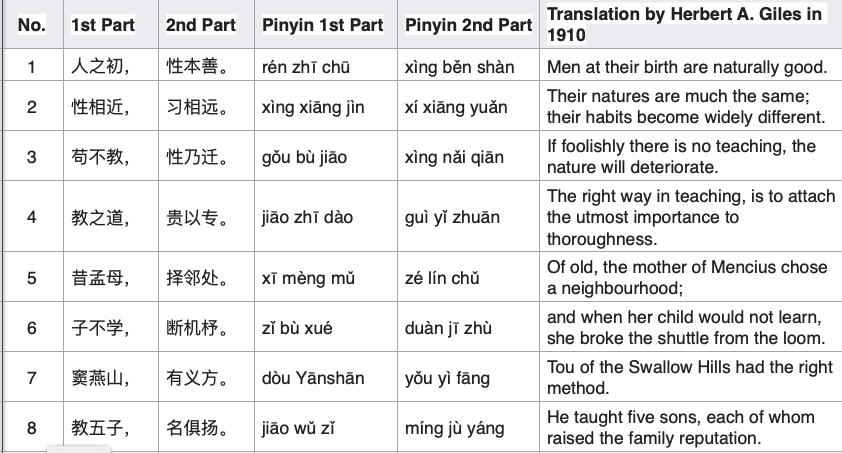
了解孔子著作的最佳起点是走中国学子的道路。几个世纪以来,五六岁学生学习的第一本书就是《三字经》。一个西方的学生在学习童谣的时候,那个中国的学生在背诵这本经典的前一千多个字,同时也在学习如何在社区中正确行事。
阅读这首三字诗的前四行,思考所写单词的含义和所教授的课程:
Take a read of the first four lines of this three characters poem and contemplate the meaning of the words as written and the lessons being taught:
人之初 (rén zhī chū) People at birth,
性本善 (xìng běn shàn) Are naturally good (kind-hearted).
性相近 (xìng xiāng jìn) Their natures are similar,
習相遠 (xí xiāng yuǎn) (But) their habits make them different (from each other).
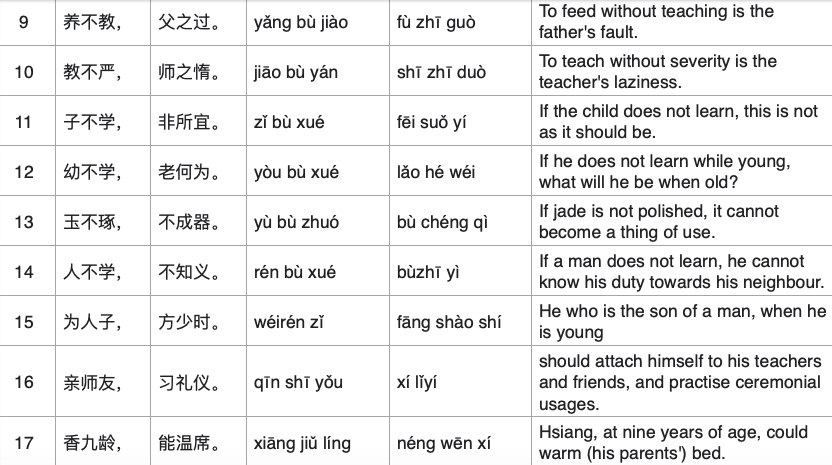
In the very beginning, at birth, all babies are born to be of a good kind-hearted nature, but as they aged, they are influenced by the surroundings they are in. Their immediate contacts shape their characters, shape their habits, such that they develop their own personalities and increasingly become different from one another. In such a short twelve characters beginning lines, a student not only learn about his or her development of natural instincts but also characters representing ‘mankind’, 人, ‘beginning’, 初, ‘behaviour’, 性, original’, 本, ‘kindness’, 善, ‘personality’, 性, ‘closeness’, 近, ‘likeness’, 相, ‘practices’, 習, ‘far or distanced’, 遠. Grandparents take pains to develop stories of their own, from their experiences in life, to illustrate the meaning of each of these characters and relate these stories to their third generations. Read the entire Three Character Classic (三字经)at https://en.wikibooks.org/wiki/San_Zi_Jing The topics are all encompassing, ranging from the relationship amongst the members in a family to the way that leaders of a country should treat their citizens.
刚出生的时候,所有的婴儿都是天生善良的,但随着年龄的增长,他们会受到周围环境的影响。他们的直接接触塑造了他们的性格,塑造了他们的习惯,这样他们发展自己的个性,并越来越彼此不同。在这么短的十二个字的开头行中,学生不仅了解了他或她的自然本能的发展,还了解了代表“人类”、人、开始、初、行为、原、本、仁、善、性、亲、近、相、行、习、远。祖父母煞费苦心地从他们的生活经历中编写自己的故事,以说明每个角色的含义,并将这些故事与他们的第三代人联系起来。在 https://en.wikibooks.org/wiki/San_Zi_Jing 阅读完整的三字经(三字经) 主题包罗万象,从家庭成员之间的关系到国家领导人应如何对待他们公民。
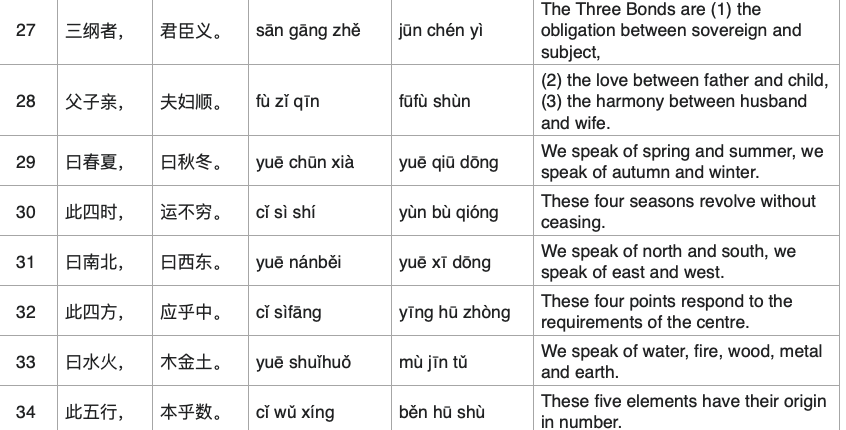
As the student progressed in his studies (Note that in olden day China, the females were excluded in any form of education other than from their parents, the important lessons for ladies were - “when young, follow your parents, when after marriage, follow your husbands, and when old, follow your sons.”) the student learned other lessons derived from the Four Books and Five Classics, namely:
随着学生学习的进步(请注意,在古代中国,女性被排除在父母之外的任何形式的教育中,女士们的重要教训是 - “年轻时跟随父母,结婚后跟随丈夫,年老随子。”)学生从四书五经中学到了其他的教训,即:
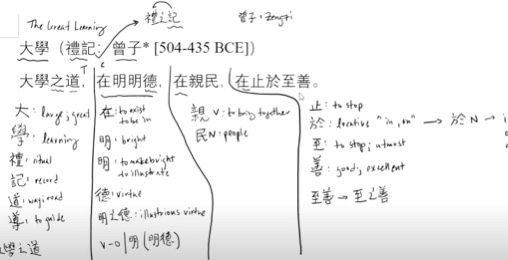
Book # 1: Great Learning 大學 - This expresses many themes of Chinese philosophy and political thinking, and has therefore been extremely influential both in classical and in modern Chinese thoughts. https://youtu.be/SAtSCZf1DTc
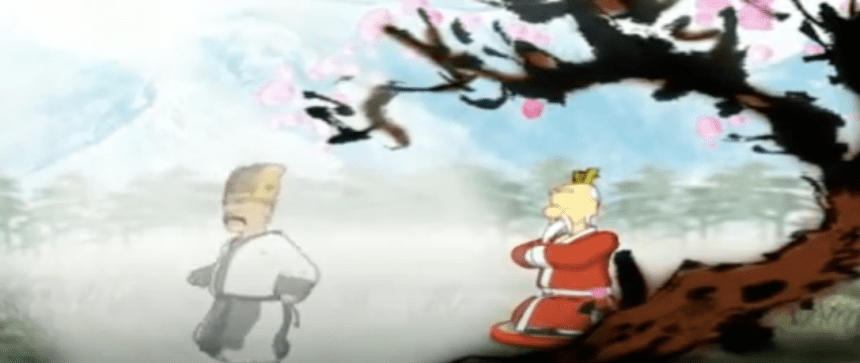
Book # 2: Doctrine of the Mean 中庸 - The purpose of this small, 33-chapter book is to demonstrate the usefulness of a golden way to gain perfect virtue. It focuses on the Way (道) that is prescribed by a heavenly mandate not only to the ruler but to everyone.
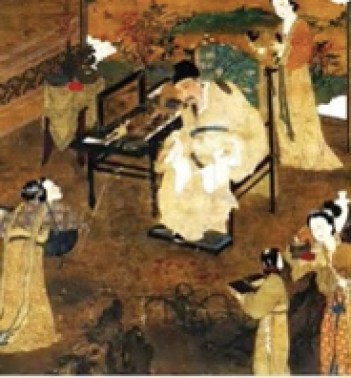
Book # 3: Analects 論語 - This has heavily influenced the philosophy and moral values of China, and later other East Asian countries like Japan, Korea, Malaysia, Singapore, Vietnam, Cambodia, Thailand and Indonesia. The Imperial Examinations (held every five years for the selection of Emperors’ inner advisors, judges and magistrates, even civil servants), started in the Sui Dynasty AD 581 right until the founding of the Republic of China AD 1949. These examinations emphasised Confucian studies and expected candidates to quote and apply the words of Confucius in their essays. https://youtu.be/6s8wtujZ2_I
Book # 4: Mencius 孟子 - This is a collection of conversations and discussions that Mencius held with the emperors of his time.
第 1 册:大学——这本书表达了中国哲学和政治思想的许多主题,因此在中国古典和现代思想中都产生了极大的影响。
第 2 册:中庸之道 - 这本 33 章的小书旨在展示获得完美美德的黄金方法的有用性。它着重于天命所规定的道,不仅对统治者而且对每个人都是如此。
第 3 册:论语 - 这极大地影响了中国的哲学和道德价值观,以及后来的其他东亚国家,如日本、韩国、马来西亚、新加坡、越南、柬埔寨、泰国和印度尼西亚。科举考试(每五年举行一次,用于选拔皇帝的内侍、法官和县令,甚至是公务员),始于公元 581 年的隋朝,直到公元 1949 年中华民国成立。这些考试强调儒学研究并期望候选人在他们的论文中引用和应用孔子的话。
第 4 册:孟子- 这是孟子与他那个时代的皇帝举行的谈话和讨论的集合。
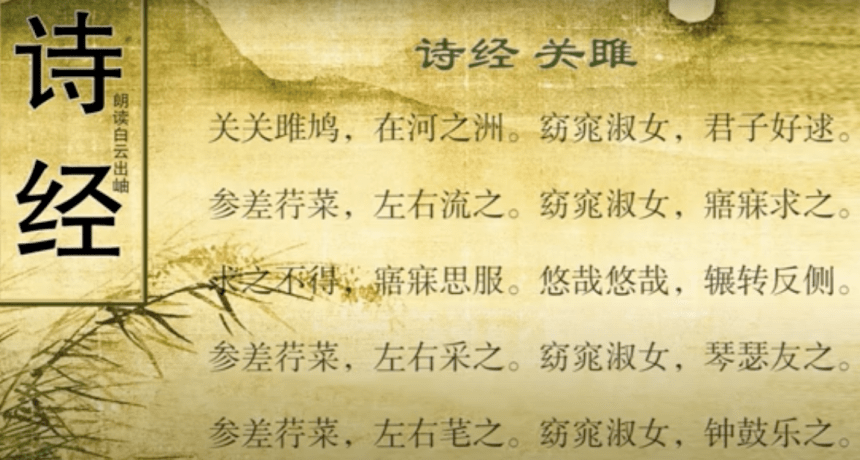
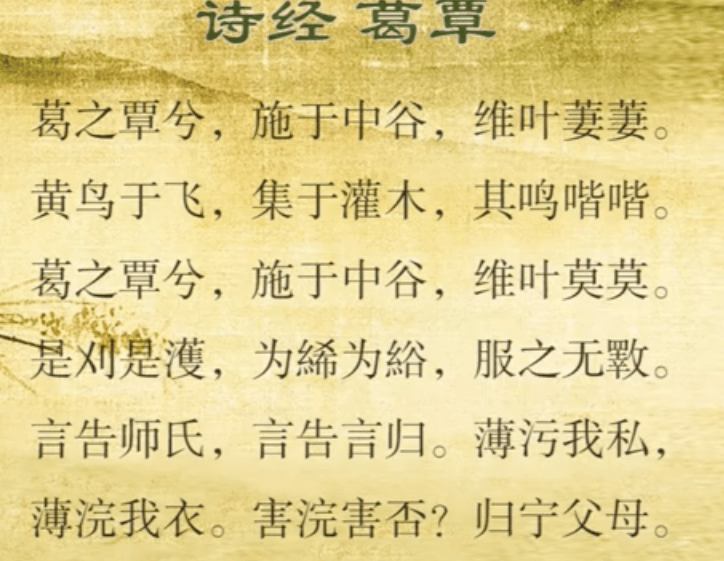
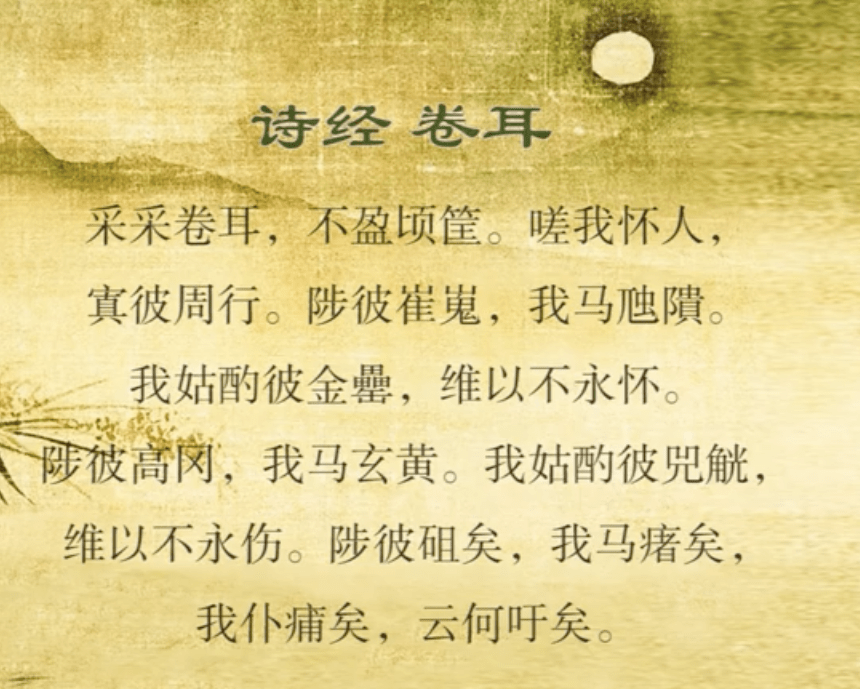
Classic # 1: Classic of Poetry 詩經 - A collection of 305 poems divided into 160 folk songs, 105 festal songs sung at court ceremonies, and 40 hymns and eulogies sung at sacrifices to heroes and ancestral spirits of the royal house. https://youtu.be/82jcwYdKPTY https://youtu.be/Wen_0ZLF1wg
Classic # 2: Book of Documents 書經 - A collection of documents and speeches alleged to have been written by rulers and officials of the early Zhou period and even earlier. It is possibly the oldest Chinese narrative, and may date from the 6th century BC. It includes examples of early Chinese prose. https://youtu.be/vHzU1tq5WY4 https://youtu.be/8nnvVqzWdc8

Classic # 3: Book of Rites 禮記 - This describes ancient rites, social forms and court ceremonies. The version studied today is a re-worked version compiled by scholars in the third century BC rather than the original text, which is said to have been edited by Confucius himself. https://youtu.be/nyCFC0NwhiU https://youtu.be/cSsyLQ6ykBs
Classic # 4: I Ching 易經 - This is an ancient Chinese divination text that started in the Western Zhou period (around 1000 to 750 BC). It is a cosmological text with a series of philosophical commentaries known as the “Ten Wings”. https://youtu.be/ouR3qi8cxgw
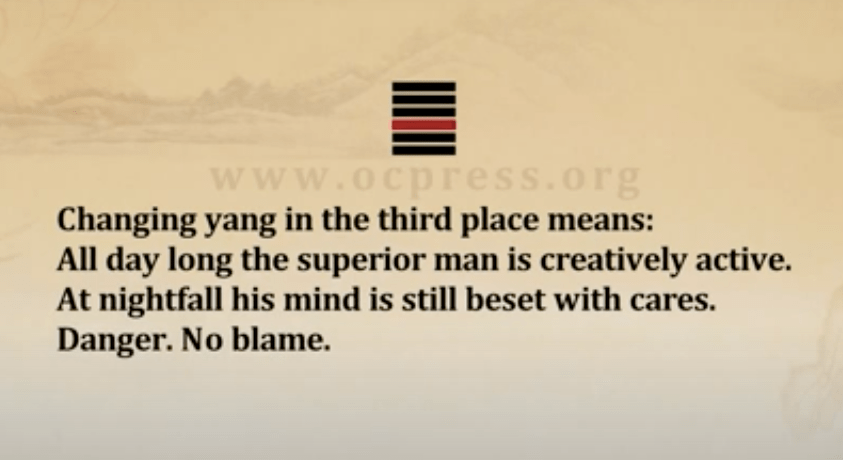
Classic # 5: Spring and Autumn Annuals 春秋 - This is the official chronicle of the State of Lu in China (722 to 481 BC) recording main events that occurred in Lu during each year, such as the accessions, marriages, deaths, and funerals of rulers, battles fought, sacrificial rituals observed, celestial phenomena considered ritually important, and natural disasters.
经典#1:诗经 - 305首诗歌,分为160首民歌,105首宫廷祭祀歌曲,40首祭祀英雄和王室祖灵的赞美诗和悼词。
经典#2:文献书经 - 据称由周初甚至更早的统治者和官员撰写的文件和演讲的集合。它可能是最古老的中国叙事,可以追溯到公元前 6 世纪。它包括早期中国散文的例子。
经典#3:礼记 - 这描述了古代的仪式,社会形式和宫廷仪式。今天研究的版本是公元前三世纪学者们重新编辑的版本,而不是原始文本,据说是孔子亲自编辑的。
经典#4:易经 - 这是中国古代占卜文本,始于西周时期(约公元前 1000 年至 750 年)。这是一本宇宙论文本,带有一系列被称为“十翼”的哲学评论。
经典#5:春秋年鉴 - 这是中国鲁国(公元前722年至481年)的官方编年史,记录了鲁国每年发生的主要事件,例如登基,婚姻,死亡和葬礼统治者、战斗、祭祀仪式、被认为具有重要仪式意义的天象和自然灾害。
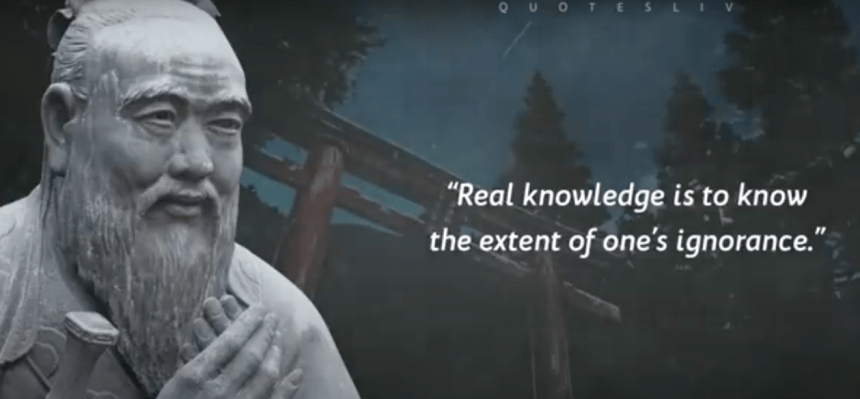
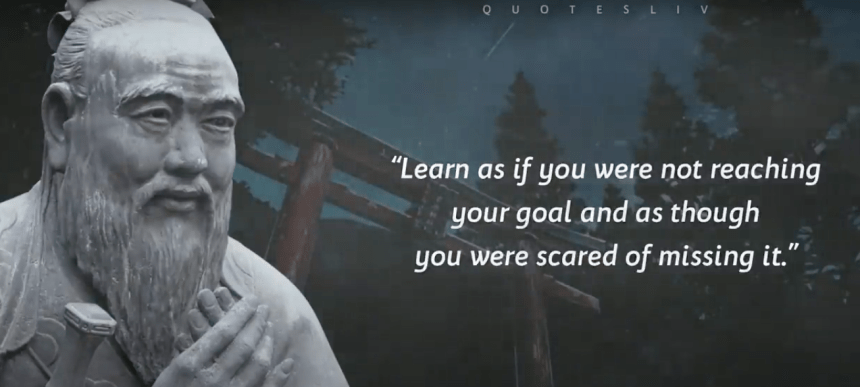
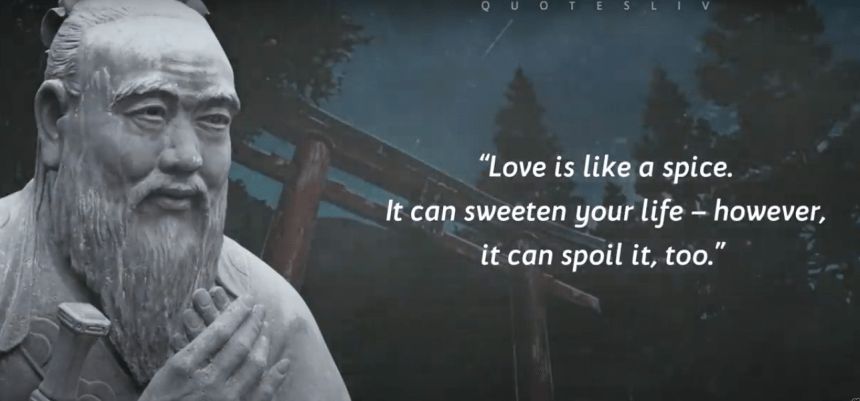
Ten Lessons from Confucius - https://youtu.be/LEmN6MnUVDI In order to live well in life, we have to: (1). Learn to see beauty in everything. (2). Adopt Moral values, starting with having moral values at home. (3). Learn to complete every task started - Never doing anything half-heartedly. (4). Learn never to give up in any quest of learning. (5). Remember that everyone has some wisdom to share, so be patient and listen to that someone. (6). Ignore gossips. Treat them as additional knowledge of the gossiper and there is no necessity to spread such gossips. (7). Think out the possible consequences of every action we take. (8). Practice the art of silence. We have two ears but only one mouth - so listen twice as much as we talk. (9). Practice Filial Piety, and treat all elderlies with the respect they deserve. They have lessons for us to learn. (10). Embrace the fact that we are getting older every day and thus after a period of active living, slow down.

孔子的十课 - https://youtu.be/LEmN6MnUVDI 为了过好生活,我们必须:
(1)。学会在一切中看到美。 (2)。采用道德价值观,从在家中拥有道德价值观开始。
(3)。学会完成每一项开始的任务——永远不要三心二意。
(4)。学习永远不要放弃任何学习的追求。
(5)。请记住,每个人都有一些智慧可以分享,所以要有耐心,听那个人的意见。
(6)。无视八卦。把它们当作八卦的额外知识,没有必要传播这些八卦。
(7)。想想我们采取的每一个行动可能产生的后果。
(8)。练习沉默的艺术。我们有两只耳朵,但只有一张嘴——所以听是我们说话的两倍。 (9)。践行孝道,以应有的尊重对待所有长者。他们有教训让我们学习。
(10)。接受我们每天都在变老的事实,因此在经历了一段积极的生活之后,放慢脚步。
Like the sun, we have to let the moon to shine for the next period in time.

就像太阳一样,我们必须让月亮在下一个时期发光。
 English