
Matariki - The Maori New Year 九星组,毛利人的新年
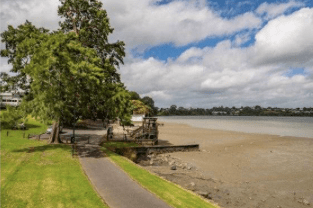
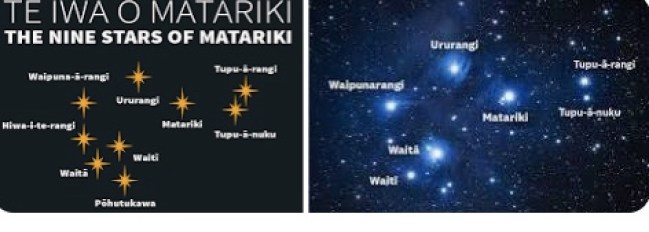
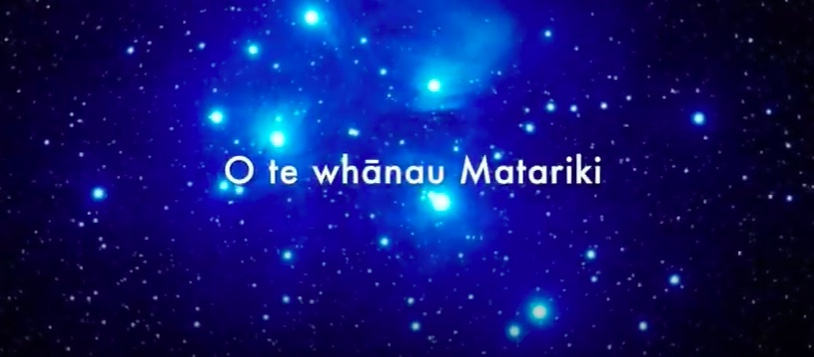
The Maori people in New Zealand name the Pleiades star cluster shown above during the late June to early July period of each year as “Matariki” to signify the start of the Maori New Year. Children in kindergartens and primary schools are now learning the Matariki song and dance as shown in the video link here: https://youtu.be/2O3ICulcHBg
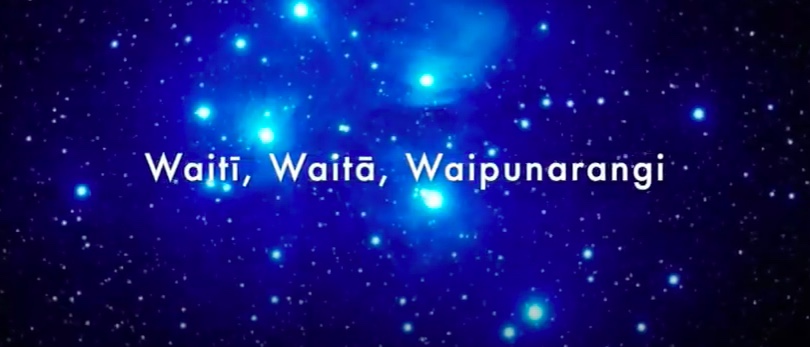
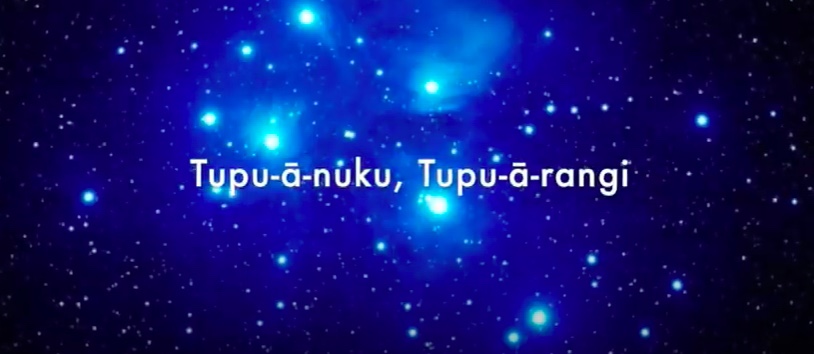
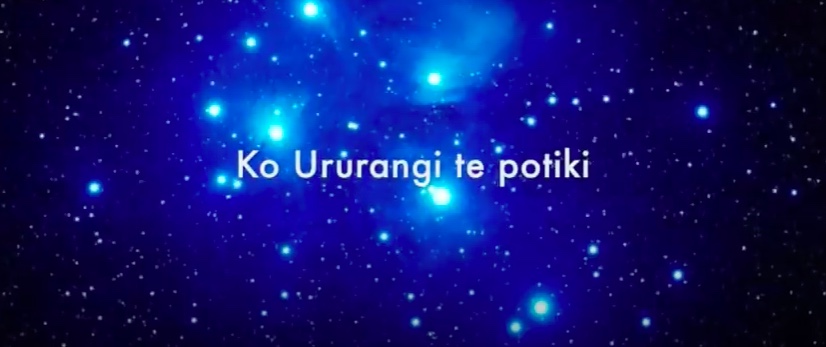
The names of the nine stars of the Zodiac that form the Matariki are Waitā, Waitī, Waipuna-ā-rangi, Tupu-ā-nuku, Tupu-ā-rangi, Ururangi, Pōhutukawa, Hiwa-I-te-rangi, and Matariki.
For this year, 2022, the New Zealand Government acknowledges Matariki as public holiday for the first time. The public holiday was observed on Friday, the 24th June 2022, with dawn services in all the four main population centres of Auckland, Wellington, Christchurch, and Dunedin.
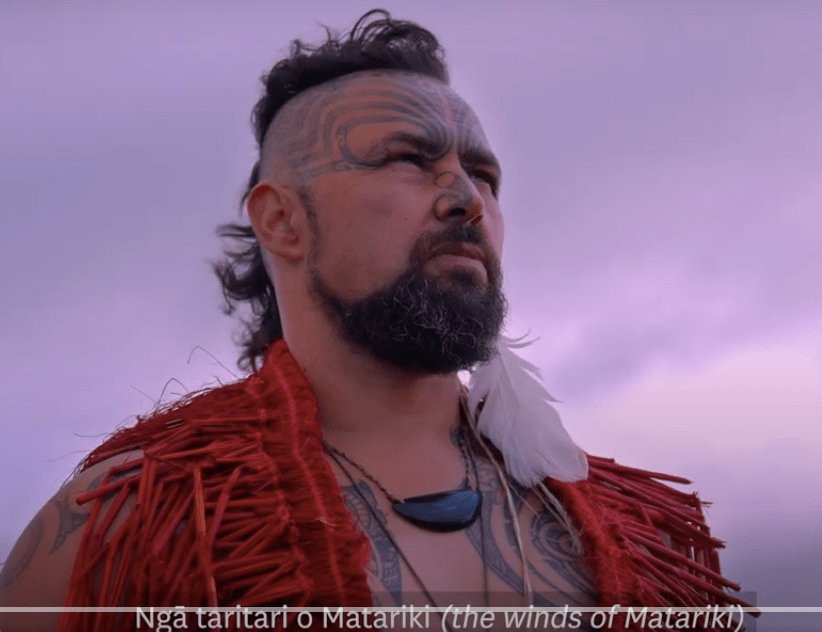
It was the year 1979 that our family first arrived to New Zealand. Prior to 1979, in preparation to migrate to New Zealand, we were under the impression that New Zealand was a Maori speaking country. We thought that, much like Singapore or Malaysia, the locals were freely allowed by our British colonisers to continue our Chinese and Malay educations and cultures. In order to prepare ourselves for the migration, we even practiced several Maori waiatas (songs) the most memorable one being the Maori stick song “(1) E pāpā Waiari; Taku nei mahi ,Taku nei mahi, He tuku roimata
“Chorus: Ē aue, ka mate au; E hine hoki mai rā; Ē aue, ka mate au; E hine hoki mai rā.
“(2) Māku e kaute; Ō hīkoitanga; Māku e kaute; Ō hīkoitanga. Chorus: … … ” https://youtu.be/40bDRzuJs-g
English translation of the song: Oh darling, come back to me. O Uncle Waiari, All I’ve been doing … All I’ve been doing Is shedding tears. Chorus: Alas I will die; Oh darling, return to me; Alas I will die; Oh darling, return to me. I will count Your footsteps; I will count Your footsteps. (Chorus: again … … ).
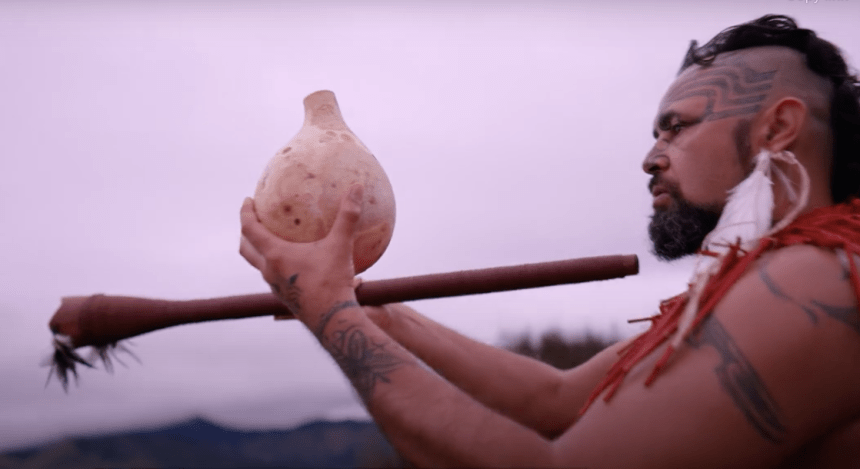
Just imagine our surprise when, upon arrival to Auckland in 1979, we find that there was no reference to the Maori Language at Auckland Airport. After settling in Pakuranga (an Auckland suburb in the east of the city) for the next ten or even fifteen years, the Maori language was not commonly spoken in Auckland. The only indications of Maori culture and language during that period was either in Rotorua or in Hawkes Bay, two cities on the south east of Auckland, some 230 km (Rotorua) and 440 km (Hawkes Bay) away. Even Maori friends of ours spoke to us in English. When asked, these Maori friends told us that there was a long period in New Zealand history when the Pakeha (White Settlers) Governments banned the use of Maori language in schools. This to a family of Singaporean Chinese was strange.
Imagine this: Your family house and possessions were taken away from you by an invader/robber. Then the invader stopped you and your family members from speaking your mother tongue and forced you to adopt the culture of the invader. How would you feel? That was exactly how I felt during the period from my arrival to New Zealand until the first settlement of the inequity in the year 1995. Yes, the Maoris have been marginalised for far too long.
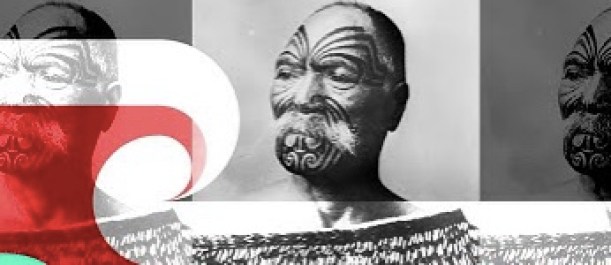
Yes, there was the Treaty of Waitangi, signed by the British Crown and the Heads of 500 Maori Tribes (called Iwi’s) way back in the year 1840 but if we read the history, it becomes obvious that the languages used in the Treaty (English and Maori) and the cultural differences had not been totally understood. The biggest notable difference is the fact that the British were under the impression that the New Zealand land belonging to the Maori tribes would belong to Britain while the Maori tribes just thought that the Treaty would give them more say on trade and land sales. The Maori version of the Treaty promised that the Maori would continue to own their land, their forest and their fisheries. This can easily be understood if we consider that from a Maori’s standpoint, as the concept of “Sovereignty” does not exist in the Maori world. There has never been a singular ruler over Maori Land.
Are we now departing from the main theme of this article?
Yes, we have. Coming back to the topic of the Maori New Year and Matariki, we should view the public holiday for Matariki and for the first time after so many years of colonial rule as a BIG step forward for New Zealand.

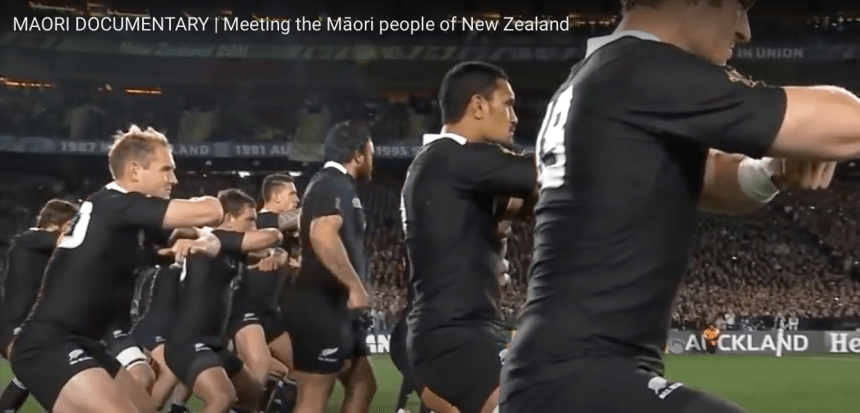
We are so glad that primary schools will now be taught the Maori language and culture and that, as the Haka performed by the All Blacks before every rugby match, the learning of Maori should be made universally compulsory for all New Zealand citizens.
Let us end here with a lesson in Maori alphabets in this Maori Waiata (Maori song). https://youtu.be/OGCx0ZDcQec
More Maori Waita’s: (1) Purea Nei https://youtu.be/Fqtk_bcrnso
(2) Aue Te Aroha https://youtu.be/cmKKpV0pRPo
(3) Now is the Hour https://youtu.be/Z4_jp4nWkh8
(4) Pokarekera Ana https://youtu.be/xgRVK2ge1ys
(5) Poi E https://youtu.be/Pm4ZQhLYAVA
The Chinese version: 中文版:
新西兰毛利人将每年6月底至7月初的昴宿星团命名为“Matariki”,象征着毛利人新年的开始。幼儿园和小学的孩子们正在学习马塔里基歌舞,如视频链接所示:https://youtu.be/2O3ICulcHBg  形成 Matariki 的黄道带九颗星的名称是 Waitā、Waitī、Waipuna-ā-rangi、Tupu-ā-nuku、Tupu-ā-rangi、Ururangi、Pōhutukawa、Hiwa-I-te-rangi 和 Matariki .  今年 2022 年,新西兰政府首次承认 Matariki 为公众假期。公众假期于 2022 年 6 月 24 日星期五举行,奥克兰、惠灵顿、基督城和但尼丁这四个主要人口中心都有黎明崇拜.
1979 年,我们全家第一次来到新西兰。 1979年之前,为了准备移民新西兰,我们的印象是新西兰是一个毛利语国家。我们认为,就像新加坡或马来西亚一样,我们的英国殖民者自由地允许当地人继续我们的华人和马来人的教育和文化。为了准备移民,我们甚至练习了几首毛利人 waiatas(歌曲),其中最令人难忘的是毛利人的棒歌“(1) E pāpā Waiari; Taku nei mahi, Taku nei mahi, He tuku roimata
想象一下,当我们 1979 年抵达奥克兰时,我们发现奥克兰机场没有提到毛利语时会感到惊讶。在帕库兰加(奥克兰东部的一个郊区)定居了十年甚至十五年后,毛利语在奥克兰并不普遍使用。在那个时期,毛利文化和语言的唯一迹象要么在罗托鲁瓦,要么在霍克斯湾,这两个城市位于奥克兰东南部,大约 230 公里(罗托鲁瓦)和 440 公里(霍克斯湾)。甚至我们的毛利朋友也用英语与我们交谈。当被问到时,这些毛利人朋友告诉我们,新西兰历史上有一段很长的时期,Pakeha(白人定居者)政府禁止在学校使用毛利语。这对一个新加坡华人家庭来说很奇怪。
想象一下:您的家庭房屋和财产被入侵者/强盗带走。然后入侵者阻止你和你的家人说你的母语,并强迫你接受入侵者的文化。你觉得如何?从我抵达新西兰到 1995 年首次解决不平等问题,这正是我的感受。是的,毛利人被边缘化的时间太长了。
是的,早在 1840 年就有由英国王室和 500 个毛利部落(称为伊维人)的首领签署的怀唐伊条约,但如果我们阅读历史,很明显条约中使用的语言(英语和毛利人)和文化差异尚未完全理解。最大的显着差异是,英国人认为新西兰的土地属于毛利部落将属于英国,而毛利部落只是认为条约会在贸易和土地销售上赋予他们更多的发言权。毛利人版本的条约承诺毛利人将继续拥有他们的土地、森林和渔业。如果我们从毛利人的角度考虑,这很容易理解,因为毛利人世界不存在“主权”的概念。毛利人的土地上从来没有一个单一的统治者。

我们现在是否偏离了本文的主题?是的我们有。回到毛利新年和马塔里基的话题,我们应该将马塔里基的公共假期以及在这么多年的殖民统治之后第一次视为新西兰向前迈出的一大步。我们很高兴现在将向小学教授毛利语言和文化,并且正如全黑队在每场橄榄球比赛前表演的哈卡舞一样,毛利语的学习应该成为所有新西兰公民的普遍义务。更多毛利歌曲
(Waita's):(1)Purea Nei https://youtu.be/Fqtk_bcrnso
(2) Aue Te Aroha https://youtu.be/cmKKpV0pRPo
(3) 现在是时候 https://youtu.be/Z4_jp4nWkh8
(4) Pokarekera Ana https://youtu.be/xgRVK2ge1ys
(5) Poi E https://youtu.be/Pm4ZQhLYAVA
Maori Marginalised: Excerpts from YouTube video entitled “How New Zealand Seeks to Right Its Colonial Wrongs”
毛利人边缘化:摘自 YouTube 视频,标题为“新西兰如何寻求纠正其殖民错误”
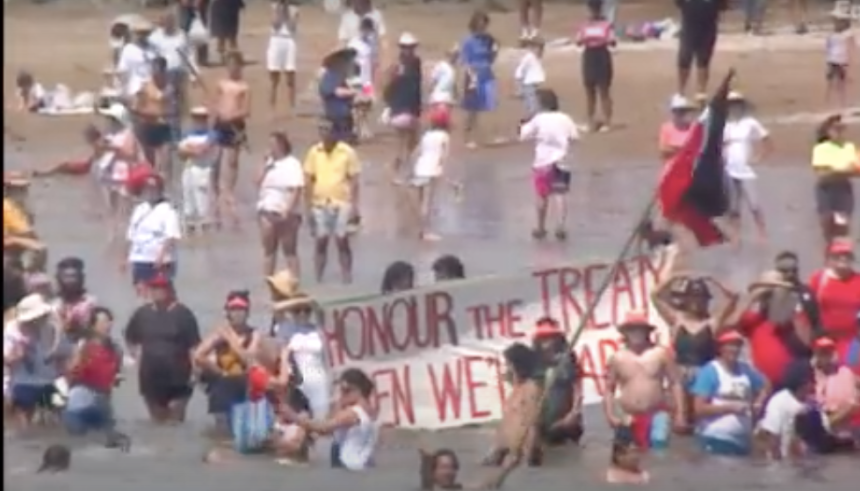
“Within one generation (from the time of British arrival to New Zealand) the Maori went from being landlords for the White settlers to being their labourers and all at the hands of their own government. It wasn’t just the resources that they took off us, they tried to destroy us as well as a people, take away our language, take away our culture, write legislation making them illegal, not allowed to be taught in schools.”
British came out here to seek their fortune in a land that was not their own and in the process of doing so became very privileged, very wealthy, very powerful and not prepared to give that up.”
“在一代人的时间里(从英国人抵达新西兰开始),毛利人从白人定居者的地主变成了他们的劳工,完全掌握在他们自己的政府手中。他们夺走的不仅仅是资源我们,他们试图摧毁我们和一个民族,夺走我们的语言,夺走我们的文化,制定立法使其非法,不允许在学校教授。
英国人来到这里是为了在不属于他们自己的土地上寻求财富,在此过程中变得非常特权、非常富有、非常强大,并且不准备放弃。”
“In 1975, suffering with arthritis, 80-year-old Whina Cooper led 5,000 people on a 700-mile march to protest stolen Maori land. Where’s the justice? This period of cultural and political revival is now known as the ‘Maori Renaissance’. It helped unify Maori opinion on land reclamation and it opened the eyes of White New Zealanders to Maori causes and race more broadly.
“You started getting some sort of understanding amongst the general population that things weren’t all that good for Maori and maybe that did explain why Maori were so poor and so not able to keep up with the rest of the country. But there was no understanding of how deliberate and how the bad faith that was involved in what the British did, was simply not there.
“1975 年,患有关节炎的 80 岁的 Whina Cooper 带领 5,000 人进行了 700 英里的游行,以抗议被盗的毛利土地。正义在哪里?这个文化和政治复兴时期现在被称为‘毛利文艺复兴’ .  它帮助统一了毛利人对土地复垦的看法,并让新西兰白人看到了毛利人的事业和更广泛的种族。
“你开始在普通民众中获得某种理解,即事情对毛利人来说并不是那么好,也许这确实解释了为什么毛利人如此贫穷,无法跟上该国其他地区的步伐。但没有根本不了解英国人的所作所为是多么蓄意以及如何恶意。
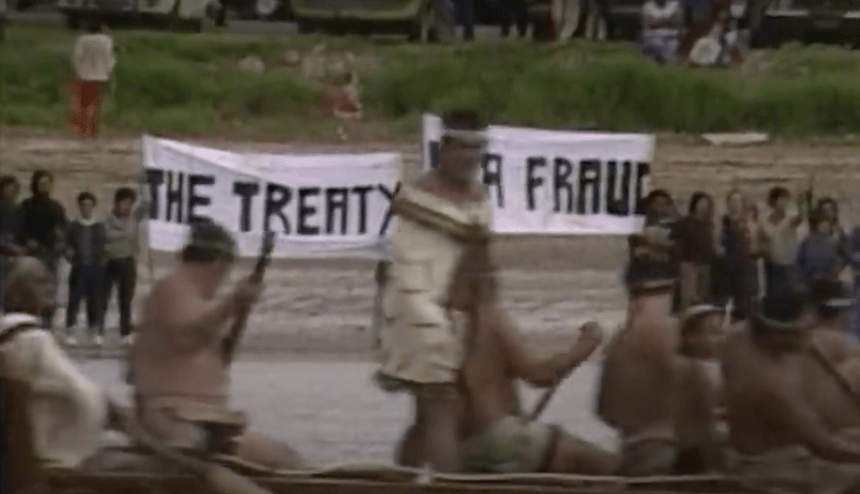
“The same year the New Zealand government launched the Waitangi Tribunal to investigate contemporary breaches of the 1840 treaty. Maori culture was being revitalised and better protected. Huge numbers of New Zealanders also protested the visit of the South African rugby team, who maintained the segregationist policy of apartheid. As both national and international attention increased, the New Zealand government amended the Treaty of Waitangi Act to investigate historical grievances dating back to the treaty of 1840.”The same year the New Zealand government launched the Waitangi Tribunal to investigate contemporary breaches of the 1840 treaty. Maori culture was being revitalised and better protected. Huge numbers of New Zealanders also protested the visit of the South African rugby team, who maintained the segregationist policy of apartheid. As both national and international attention increased, the New Zealand government amended the Treaty of Waitangi Act to investigate historical grievances dating back to the treaty of 1840.
“They began to realise that if you have a large indigenous population that’s dissatisfied with fundamental aspects of the way you’re running the country and the way you have run it, then the only way forward in a meaningful way is to address their grievances.
“By 1985 the tribunal was hearing claims from individual tribes and started making settlements varying in size and substance and offering more than just monetary compensation. Some included formal apologies from the Crown.”
“同年,新西兰政府启动了怀唐伊法庭,以调查当代违反 1840 年条约的行为。毛利文化得到了振兴和更好的保护。大量新西兰人还抗议南非橄榄球队的访问,他们维持种族隔离政策。随着国家和国际关注的增加,新西兰政府修改了《怀唐伊条约法》,以调查可追溯到 1840 年条约的历史不满。
“他们开始意识到,如果你有大量的土著人口对你管理国家的方式和管理国家的方式的基本方面不满意,那么以有意义的方式前进的唯一途径就是解决他们的不满。
“到 1985 年,法庭听取了各个部落的诉求,并开始建立规模和实质各不相同的定居点,并提供的不仅仅是金钱补偿。有些还包括官方的正式道歉。”
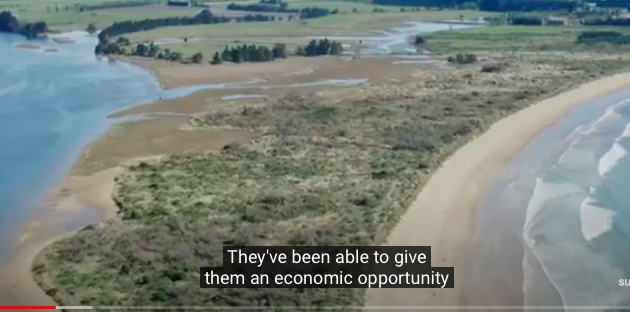
“Today, we are strong enough and honest enough to learn the lessons of the last 150 years and to admit that the treaty has been imperfectly observed.
“Despite wide acceptance of the need for settlement agreements, the process is found wanting from both sides of the divide. Some criticise the increasing number of claims and expense. Many Maori argue settlements don’t even begin to scratch the surface of their losses.
“The amount that they were offering to settle these claims was minuscule. I’m talking 1% of what was lost and no consideration at all for the socioeconomic damage that had been done. The grinding poverty and the grinding marginalisation, deprivation, just became too much for our people and so they started accepting just a little bit to get themselves up off the grinding poverty.”
“今天,我们足够强大和诚实,可以吸取过去 150 年的教训,并承认条约没有得到不完全遵守。
“尽管人们普遍接受和解协议的必要性,但发现双方都缺乏这一过程。一些人批评索赔和费用的增加。许多毛利人认为和解甚至没有开始触及损失的表面。
“他们为解决这些索赔提供的金额微不足道。我说的是损失的 1%,根本没有考虑已经造成的社会经济损失。赤贫和赤裸裸的边缘化、剥夺,刚刚变成对我们的人民来说太多了,所以他们开始接受一点点来摆脱极度贫困。”
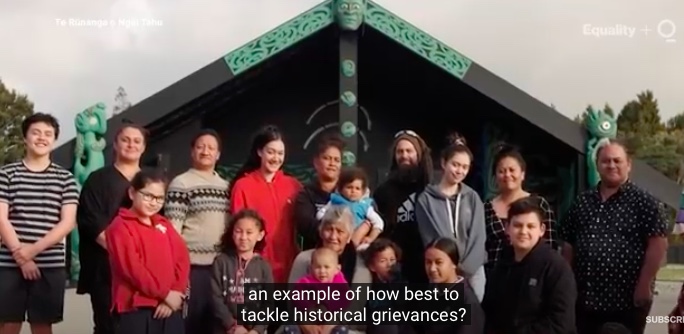
“I look back to the time before treaty settlements when Maori were in fear of getting anything much at all out of the Crown, any kind of respect for rangatiratanga and where Pakeha thought that we had perfect race relations. There wasn’t much of a problem. I think most New Zealanders of European descent wouldn’t think that now at all. They know that there was a typical colonial past for New Zealand and that Maori were disenfranchised and disadvantaged and marginalised.
“While systemic issues remain in New Zealand, settlements have revitalised communities, increased intergenerational wealth and reconciled differences. The Maori economy is now worth almost 70 billion New Zealand dollars. That’s up from an estimated 50 billion in 2013.
“I don’t wanna kind of leave it with too rosy a view, but I do think that we have made enormous progress and we’re on quite a good platform for better progress still.”
“我回想起条约解决之前的那段时间,当时毛利人害怕从王室得到任何东西,害怕对 rangatiratanga 的任何尊重,以及 Pakeha 认为我们拥有完美的种族关系。问题。我认为大多数欧洲血统的新西兰人现在根本不会这么想。他们知道新西兰有一个典型的殖民历史,毛利人被剥夺了权利,处于不利地位和边缘化。
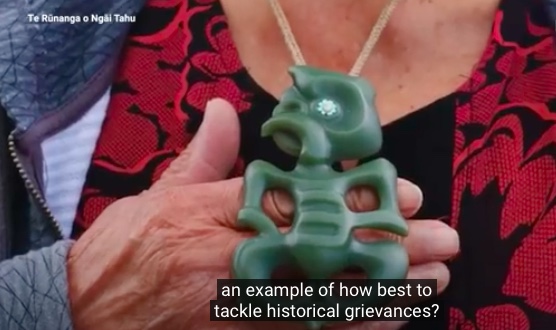
“虽然新西兰仍然存在系统性问题,但定居点使社区焕发了活力,增加了代际财富并调和了分歧。毛利人的经济现在价值近 700 亿新西兰元。这一数字高于 2013 年估计的 500 亿新西兰元。
“我不想留下太乐观的看法,但我确实认为我们已经取得了巨大的进步,而且我们处于一个相当好的平台上,可以取得更好的进展。”
The following excerpts are extracted and simplified from the website https://www.worldpoliticsreview.com/trend-lines/20049/maori-remain-marginalized-in-new-zealand-society-and-government (September 28th 2016)
[Excerpt # 1]
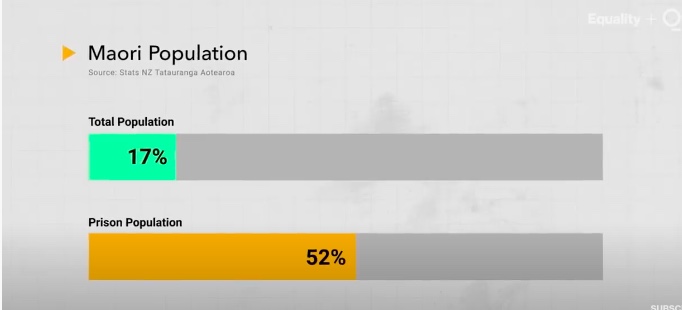
A recent report showed that white New Zealanders were more likely to be given a warning by police officers for minor crimes than indigenous Maori, who are more likely to be charged. Advocates say the report confirms the bias of the justice system in New Zealand.
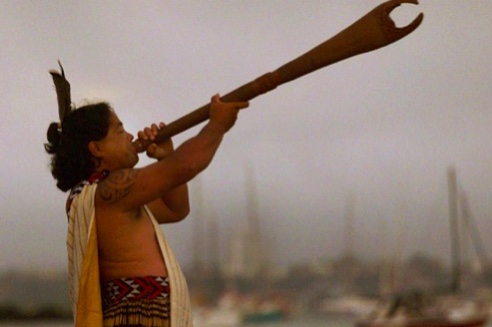
[Excerpt # 2]
Heather Came, a senior lecturer in Māori Health at Auckland University of Technology, interviewed six Māori and Pasifika leaders with at least 10 years’ experience advising district health boards.
Dr Came said their experiences of racism were alarming.
“Lots of it was about struggling to be heard. One of the participants talked about sharing her research, which was gold-standard, sophisticated research, [and] it got questioned way more than other academics around the table who put forward their perspectives, as if her methodologies were going to be flawed or incorrect.
“It’s this distrust of Māori and Pacific evidence and expertise which is kind of how the cultural racism plays out. Historically people would’ve just said really offensive things, now they don’t do that, but it’s a more sophisticated way of marginalising Māori and Pacific views.”
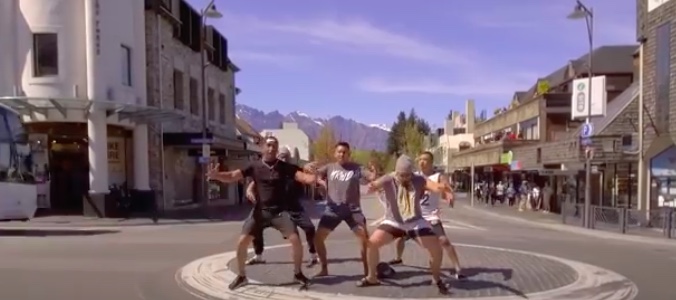
以下摘录摘自网站 https://www.worldpoliticsreview.com/trend-lines/20049/maori-remain-marginalized-in-new-zealand-society-and-government (2016 年 9 月 28 日)
最近的一份报告显示,与更可能受到指控的土著毛利人相比,新西兰白人更有可能因轻微犯罪而受到警察的警告。倡导者说,该报告证实了新西兰司法系统的偏见。
奥克兰理工大学毛利健康高级讲师 Heather Came 采访了六位拥有至少 10 年为地区卫生委员会提供咨询经验的毛利人和太平洋岛民领袖。
Came 博士说他们的种族主义经历令人震惊。“其中很多内容都是关于努力让自己听到。其中一位参与者谈到分享她的研究,这是黄金标准、复杂的研究,[并且]它比其他提出的学者受到更多的质疑他们的观点,好像她的方法将有缺陷或不正确。“正是这种对毛利人和太平洋地区证据和专业知识的不信任是文化种族主义的一种表现。从历史上看,人们只会说非常冒犯的话,现在他们不这样做了,但这是一种更复杂的方式边缘化毛利人和太平洋人的观点。”
[Excerpt # 3]
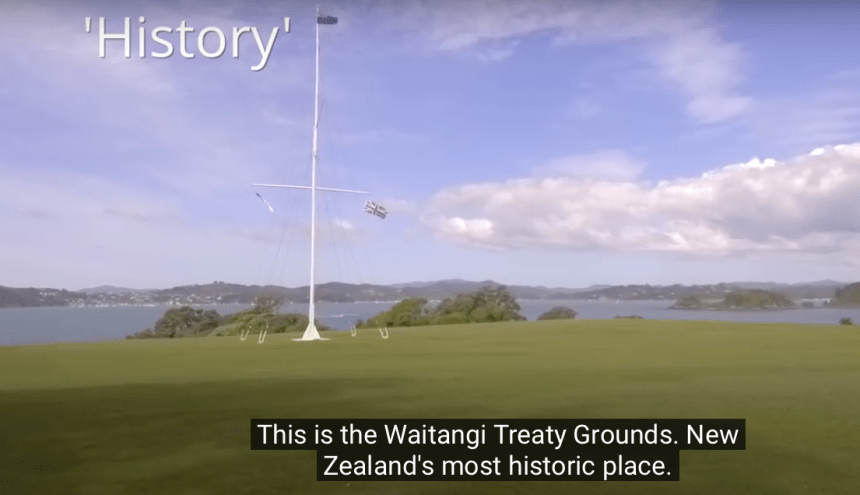
Māori population numbers were probably about 1 million at the end of the eighteenth century, with an agricultural and fishing economy and a social organization similar to those of Polynesians in the smaller islands to the north-east. There were differences between tribal groups and warfare between them was not uncommon. The arrival of white settlers brought rapid population decline to the extent that the Māori were believed to be on the verge of extinction towards the end of the nineteenth century, when the population had fallen to not much more than 40,000. As in Australia, colonial policy towards the indigenous population was to ‘smooth the dying pillow’ of an ‘inferior race’.
[Excerpt # 4]
After the land wars there were intermittent Māori attempts to reopen discussions on the Treaty of Waitangi, and to seek the restoration of confiscated land. In 1884 the Māori King led a deputation to London, but was refused an audience with the Queen and their petition was sent back to the New Zealand government, despite repeated unsuccessful attempts to negotiate with that government. An earlier movement, Te Kotahitanga (the Māori unity movement) was revived late in the century; it introduced a Māori Rights Bill into the New Zealand Parliament (where Māori had four seats) in 1894, seeking Māori control over their own lands, fisheries and other food resources, which was rejected two years later.
Further attempts to restore the provisions of the Treaty were again made at various points in the twentieth century, and have remained the central theme of Māori history and political affairs.
18 世纪末毛利人的人口数量可能约为 100 万,其农业和渔业经济以及与东北部较小岛屿的波利尼西亚人相似的社会组织。部落群体之间存在差异,他们之间的战争并不少见。白人定居者的到来导致人口迅速下降,以至于毛利人被认为在 19 世纪末濒临灭绝,当时人口已降至不到 40,000 人。与澳大利亚一样,针对土著居民的殖民政策是为了“抚平“劣等种族”的垂死枕头。
土地战争后,毛利人断断续续地试图重新讨论《怀唐伊条约》,并寻求归还被没收的土地。 1884 年,毛利国王率领代表团前往伦敦,但被女王拒绝接见,他们的请愿书被送回新西兰政府,尽管多次尝试与新西兰政府谈判均未成功。较早的运动 Te Kotahitanga(毛利统一运动)在本世纪末复兴。它于 1894 年将毛利人权利法案提交给新西兰议会(毛利人拥有四个席位),寻求毛利人控制自己的土地、渔业和其他粮食资源,但两年后被否决。
在 20 世纪的不同时期,再次尝试恢复条约的条款,并且一直是毛利人历史和政治事务的中心主题。
[Excerpt # 5]
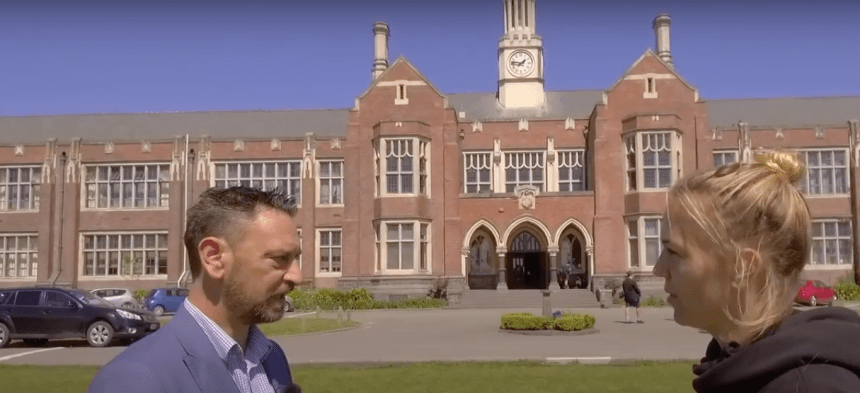
The establishment of a conservative National Party government in 1975 resulted in a tendency to dismiss Māori issues as merely the grievances of militant radicals; this intensified Māori opposition. In the same year, however, the Labour government had passed the Treaty of Waitangi Act, which set up a tribunal to investigate land claims and related matters. A number of Māori mounted legal challenges to the government over land issues. These came before the Waitangi Tribunal, which had the power to investigate new legislation for breaches of the treaty. Prominent among these cases was one opposing government plans to develop a fuel plant on the Taranaki coast, where Māori land had long been confiscated, that would have pumped industrial waste into coastal waters and onto reefs used by the Te Atiawa tribe of Taranaki for fishing.
[Excerpt # 6]
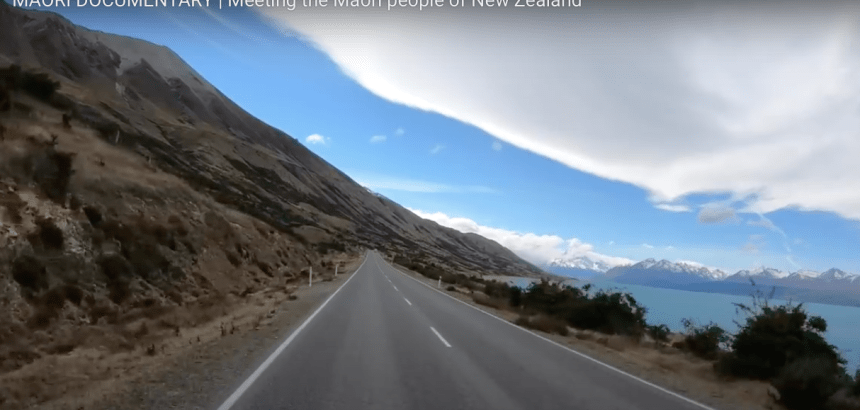
During the 1980s there was a growing demand for Māori sovereignty alongside renewed attempts to gain a public commitment from the government to honour the Treaty of Waitangi. The demand for sovereignty emphasized the necessity for the acknowledgement that New Zealand is Māori land, and that confiscated land be returned to Maori. In 1984 the Tainui of Waikato demanded that the provisions of the Treaty of Waitangi be enshrined in a constitution or bill of rights, and that there be a reform of the political system. The new Labour Party government increased the powers of the Waitangi Tribunal, enabling it to consider claims that had arisen since 1840, thus, for the first time, Māori were able to seek restitution and compensation for the loss of land and resources.
[Excerpt # 7]
Māori participation in resource management and conservation has become increasingly prominent as the effects of the Resource Management Act (1991) and the Conservation Act (1987) have become apparent. These acts included rights of reparation for past and ongoing violations of the treaty, including the right to have Crown land (and resources) returned to traditional owners, and the right of Māori to control and manage their natural resources according to their own cultural values. Nevertheless there was slow progress in making reparations by returning land and other resources. Few resources have been available to Māori to battle for the preservation and integrity of their resources. Despite a series of new statutes, laws and speeches, Māori had experienced little real change in practical terms; this increased the frustrations of militants and angered conservative Pakehas who believed that scarce financial resources were being wasted on ingrates.
[Excerpt # 8]
At the end of 1994 the New Zealand government sought a ‘once and for all’ settlement for all Māori grievances, with a ‘fiscal envelope’ of NZ$1,000 million, after which all treaty claims would be deemed by the Crown to have been settled. The attempt to reduce all issues of justice for Māori to a sum of money denied the social, political and cultural impacts of colonization and sought to eradicate Māori rights as established by the Treaty of Waitangi. It defined Māori rights within a colonial framework as ‘limited management rights’ rather than self-determination, and failed to recognize Māori spiritual attachment to their land. It was rejected by Māori activists in many places, though in December 1994 the Waikato Tainui tribe reached an agreement with the government concerning one of the largest of the 400 outstanding claims.
1975 年保守的国民党政府成立,导致倾向于将毛利人问题视为激进激进分子的不满。这加剧了毛利人的反对。然而,同年,工党政府通过了《怀唐伊条约法案》,该法案设立了一个法庭来调查土地索赔和相关事宜。许多毛利人就土地问题向政府提出法律挑战。这些都提交给怀唐伊法庭,该法庭有权调查违反条约的新立法。这些案例中最突出的是反对政府计划在塔拉纳基海岸开发一座燃料工厂,毛利人的土地长期以来一直被没收,这会将工业废物泵入沿海水域和塔拉纳基的 Te Atiawa 部落用于捕鱼的珊瑚礁。
在 1980 年代,毛利人对主权的需求不断增长,同时又重新尝试获得政府的公开承诺,以履行《怀唐伊条约》。对主权的要求强调了承认新西兰是毛利人土地的必要性,并将没收的土地归还给毛利人。 1984 年,怀卡托的泰努伊要求将《怀唐伊条约》的条款写入宪法或权利法案,并对政治制度进行改革。新的工党政府增加了怀唐伊法庭的权力,使其能够审议自 1840 年以来出现的索赔,因此,毛利人第一次能够就土地和资源的损失寻求归还和赔偿。
随着《资源管理法》(1991 年)和《保护法》(1987 年)的影响越来越明显,毛利人对资源管理和保护的参与变得越来越突出。这些行为包括对过去和现在违反条约的行为进行赔偿的权利,包括将官方土地(和资源)归还给传统所有者的权利,以及毛利人根据自己的文化价值观控制和管理其自然资源的权利。然而,通过归还土地和其他资源进行赔偿的进展缓慢。毛利人很少有资源可以用来争取资源的保护和完整性。尽管有一系列新的法规、法律和演讲,毛利人在实际方面几乎没有经历过真正的变化。这增加了武装分子的挫败感并激怒了保守派帕克哈斯,他们认为稀缺的财政资源被浪费在忘恩负义的人身上。
1994 年底,新西兰政府为所有毛利人的不满寻求“一劳永逸”的解决方案,“财政信封”为 10 亿新西兰元,此后所有条约索赔都将被官方视为已经解决。试图将毛利人的所有正义问题减少到一笔钱,否认殖民化的社会、政治和文化影响,并试图根除《怀唐伊条约》确立的毛利人权利。它将殖民框架内的毛利人权利定义为“有限的管理权”而不是自决权,并且未能承认毛利人对其土地的精神依恋。尽管在 1994 年 12 月,怀卡托泰努伊部落与政府就 400 项未决索赔中最大的一项达成了协议,但许多地方的毛利活动家都拒绝了这项要求。
 English