
TOUR OF JAPAN 日本之旅 DAYS 10 – 12
Read also: Tour of Japan 1 – first three days – 30th March to 1st April 2018. https://www.u-write-read.com/2022/01/13/tour-of-japan-日本之旅/. 另请阅读:日本之旅 – 前三天 – 2018 年 3 月 30 日至 4 月 1 日。
Tour of Japan 2 – Days 4 to 6 – 2nd April to 4th April 2018. https://www.u-write-read.com/2022/01/18/tour-of-japan-日本之旅-days-4-6/. 日本之旅 2 – 第 4 至 6 天 – 2018 年 4 月 2 日至 4 月 4 日。
Tour of Japan 3 – Days 7 to 10 – 5th April to 7th April 2018. http://www.u-write-read.com/2022/01/27/tour-of-japan-日本之旅-days-7-9/. 日本之旅 3 – 第 7 至 10 天 – 2018 年 4 月 5 日至 4 月 7 日.
Day 10: Sunday 8th April 2018 - Hiroshima - Himeji - Osaka. 第 10 天:2018 年 4 月 8 日星期日 - 广岛 - 姬路 - 大阪
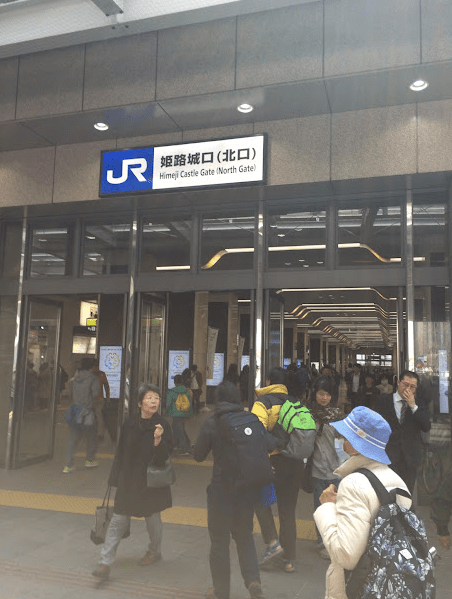
Breakfast was at the Hotel Club Lounge and then we checked out of Sheraton Grand Hiroshima and boarded a bullet train to Himeji to visit the famous Himeji Castle. This Castle is considered to be the most spectacular Castle i Japan. Unlike any other castles in Japan, this one has never been destroyed by wars or fire or earthquakes. It remains in it original form to this day. It is therefore a national treasure and one of world’s heritage sites.
早餐在酒店俱乐部酒廊,然后我们退房了广岛喜来登大酒店,然后登上了前往姬路的子弹头列车,参观了著名的姬路城。这座城堡被认为是日本最壮观的城堡。与日本的任何其他城堡不同,这座城堡从未被战争、火灾或地震摧毁。时至今日,它仍保持原始形式。因此,它是国宝和世界遗产之一。
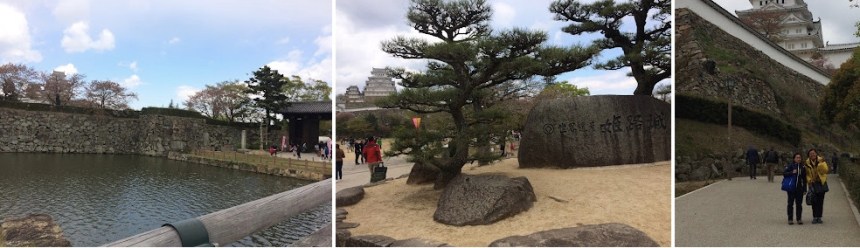
Himeji Castle (姫路城, Himeji-jō) is a hilltop castle complex located in the city of Himeji. The castle is regarded as the finest surviving example of prototypical Japanese castle architecture, comprising a network of 83 rooms with advanced defensive systems from the feudal period, dating back to the year 1333.
姬路城是位于姬路市的山顶城堡建筑群。这座城堡被认为是现存最好的典型日本城堡建筑范例,由 83 个房间组成,拥有封建时期的先进防御系统,可追溯到 1333 年。
姬路城建在姬山山顶上。 1346年,堡垒被拆除重建为姬山城,两个世纪后改建为姬路城。
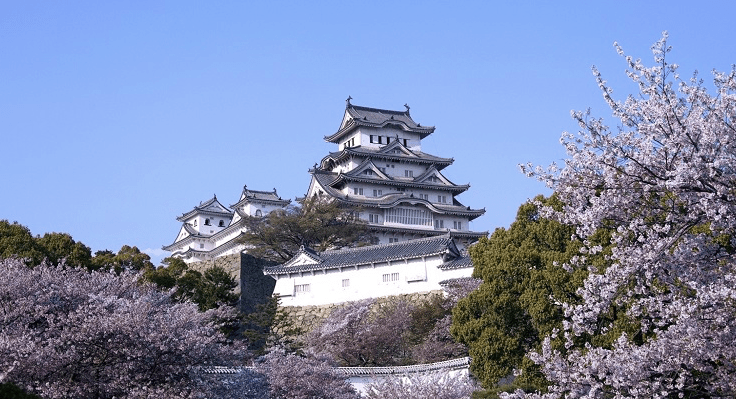
Himeji Castle was built a fort on top of Himeyama Hill. The fort was dismantled and rebuilt as the Himeyama Castle in 1346, and then remodelled into Himeji Castle two centuries later.
姬路城是日本最大、游客最多的城堡,它于 1993 年被登记为日本首批联合国教科文组织世界遗产之一。城墙中部的护城河区域被指定为特别史迹,城内的五处建筑物也被指定为国宝。为了保护城堡建筑,它进行了数年的修复工作,并于 2015 年 3 月 27 日重新向公众开放。这些工程还清除了数十年的污垢,将以前的灰色屋顶恢复为原来的亮白色。
Himeji Castle is the largest and most visited castle in Japan, and it was registered in 1993 as one of the first UNESCO World Heritage Sites in Japan. The area within the middle moat of the castle complex is a designated special Historic Sites and five structures of the castle are also designated National Treasures. In order to preserve the castle buildings, it underwent restoration work for several years and reopened to the public on March 27, 2015. The works also removed decades of dirt and grime, restoring the formerly grey roof to its original brilliant white colour.
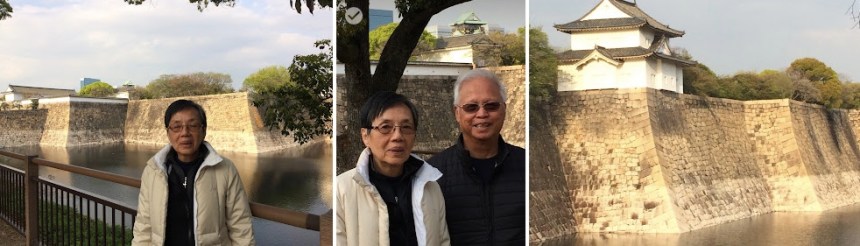
This walking trip was very interesting in the sense that we could feel the architecture settings of those ancient times in Japan where each province or prefecture was ruled by different Shoguns (or strong men).
Himeji Castle is a masterpiece of construction in wood, combining function with aesthetic appeal, both in its elegant appearance unified by the white plastered earthen walls and in the subtlety of the relationships between the building masses and the multiple roof layers.
这次徒步旅行非常有趣,因为我们可以感受到日本古代的建筑环境,每个省或县都由不同的幕府将军(或强人)统治。姬路城是木结构建筑的杰作,兼具功能和美感,无论是白色粉刷土墙统一的优雅外观,还是建筑体量与多个屋顶层之间的微妙关系。
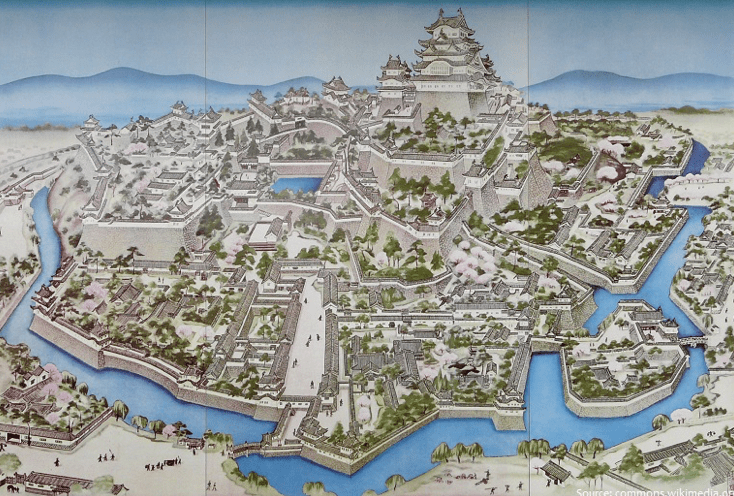
From east to west, the Himeji Castle complex has a length of 950 to 1,600 meters (3,120 to 5,250 feet), and from north to south, it has a length of 900 to 1,700 meters (3,000 to 5,600 feet).
The castle complex has a circumference of 4,200 meters (2.6 miles).
It covers an area of 233 hectares (576 acres).
The principal materials used in the structures are stone and wood.
The castle complex comprises a network of 83 buildings such as storehouses, gates, corridors, and turrets.
从东到西,姬路城建筑群的长度为 950 到 1,600 米(3,120 到 5,250 英尺),从北到南,长度为 900 到 1,700 米(3,000 到 5,600 英尺)。城堡建筑群的周长为 4,200 米(2.6 英里)。 它占地 233 公顷(576 英亩)。 结构中使用的主要材料是石头和木材。 城堡建筑群由83座建筑组成,如仓库、大门、走廊和角楼。
The highest walls in the castle complex have a height of 26 meters (85 feet).
The main keep at the center of the complex is 46.4 meters (152 feet) high, standing 92 meters (302 feet) above sea level. It is nestled in the most central courtyard among the maze of moats, walls, gates and courtyards.
城堡建筑群中最高的城墙高度为 26 米(85 英尺)位于建筑群中心的主要塞高 46.4 米(152 英尺),海拔 92 米(302 英尺)。它坐落在迷宫般的护城河、城墙、城门和院落之中的最中央庭院。
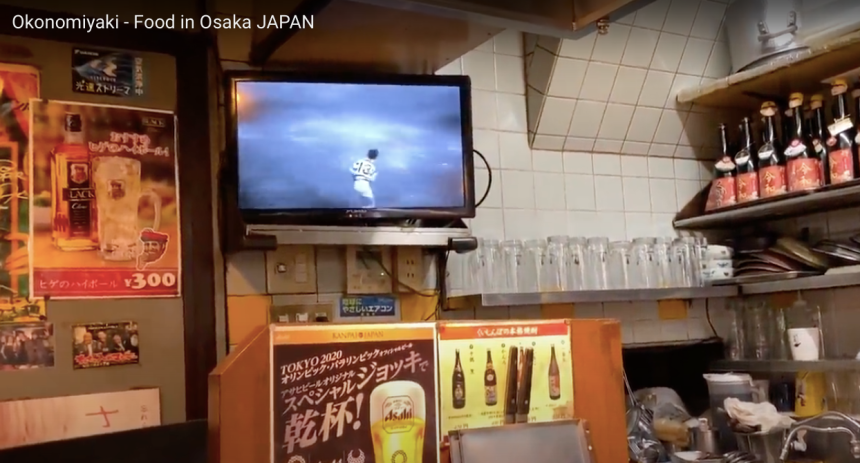
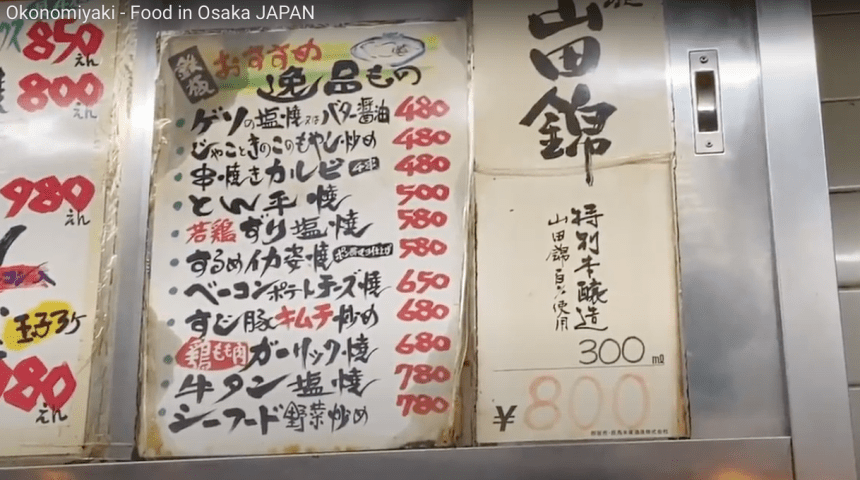
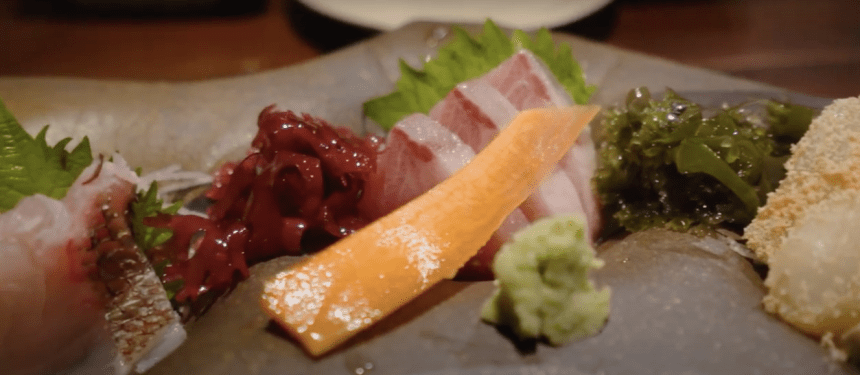
In the late afternoon, we travelled to Osaka and checked in at the Imperial Hotel Osaka where we would stay for a further two nights. In the evening, we had a “soul food” dinner called “Osaka Okonomiyaki”.
下午晚些时候,我们前往大阪并在大阪帝国酒店办理入住手续,我们将在那里再住两晚。晚上,我们吃了一顿名为“大阪御好烧”的“灵魂食物”晚餐。

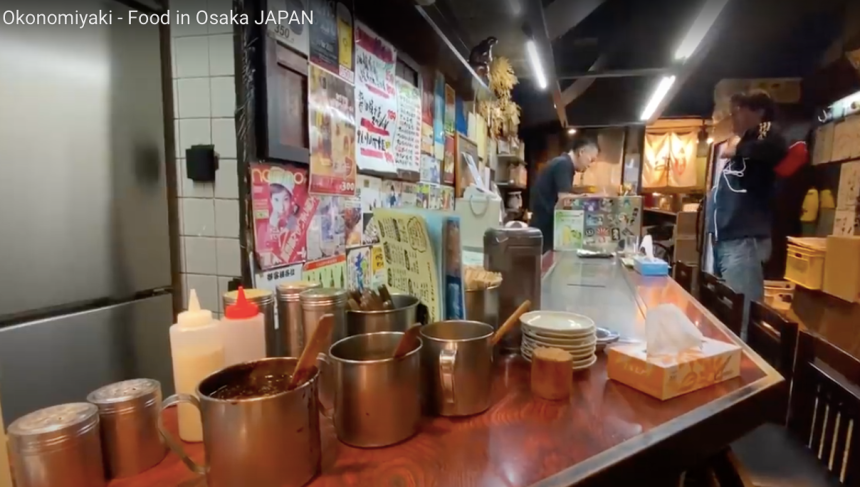

Day 11: Monday 9th April 2018.
第 11 天:2018 年 4 月 9 日星期一
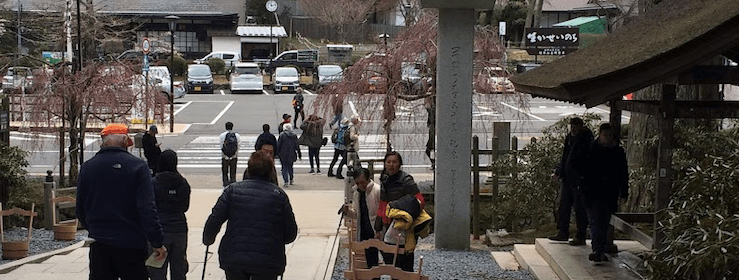
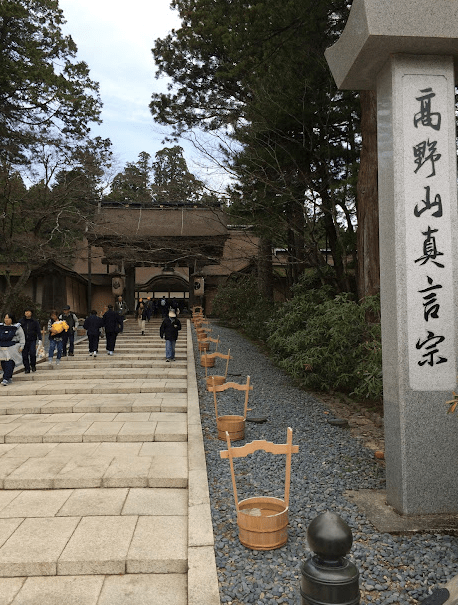
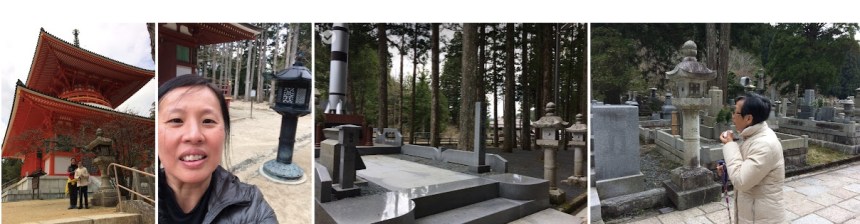
We had a full one day tour by chartered car to Mt. Koya today. 今天我们包车到高野山进行了全日游。
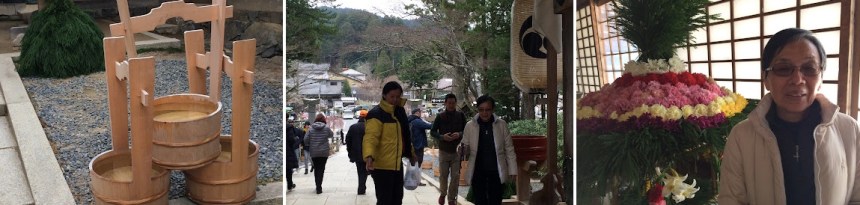
Mount Koya is also known as Koyasan. It is a key destination for us to learn more about the history and spirituality of Buddhism in Japan. The mountain with its monk-run temples and lush landscapes provides a tranquility that is fascinating and comforting that we are amongst nature’s beauty.
高野山。它是我们更多地了解日本佛教的历史和灵性的重要目的地。这座山及其僧侣经营的寺庙和郁郁葱葱的风景提供了一种宁静,令人着迷和安慰,我们置身于大自然的美丽之中。
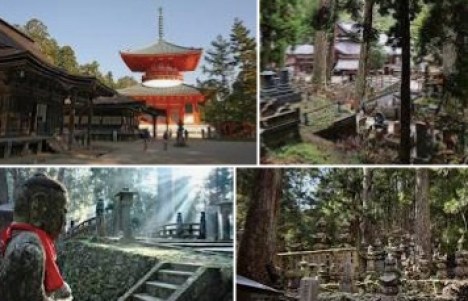
This Shingon Buddhism was introduced to Japan in 805 by one of the nation’s most influential religious figures, Kobo Daishi (sometimes also called Kukai, 774–835), who was a Buddhist monk, a calligrapher, and a poet.
这种真言宗佛教于 805 年由日本最有影响力的宗教人物之一弘法大师(有时也称为空海,774-835 年)传入日本,他是一名佛教僧侣、书法家和诗人。
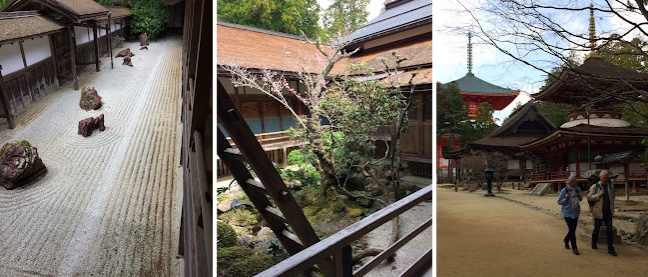
Kobo Daishi built the sect’s headquarters on this mountain after a long and arduous journey all over Japan, looking for the perfect place to set up a suitable place of worship. In 826, Kobo Daishi set up the mountain’s original Garan temple complex, and following the establishment of this temple, spiritual followers joined the great monk, setting up temples throughout the richly forested top of Mount Koya. This series of temples, all done with the blending of nature in mind, create the landscape we can see today.
弘法大师在日本各地长途跋涉后,在这座山上建立了教派总部,寻找一个完美的地方来建立一个合适的礼拜场所。 826年,弘法大师在山上建立了原始的伽蓝寺庙群,随着这座寺庙的建立,修行者加入了大和尚,在茂密的高野山山顶建立了寺庙。这一系列的寺庙,都在考虑到自然的融合,创造了我们今天可以看到的景观。
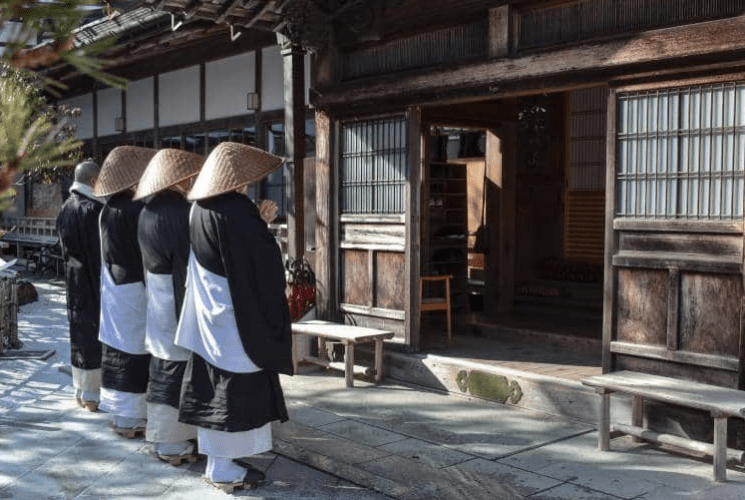
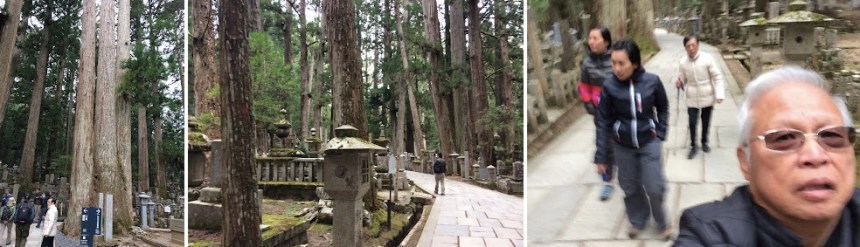
The area is home to some of the country’s most sacred landmarks, including Kongobuji, the head temple of Shingon Buddhism, and Okunoin, the grave of many of Japan’s elite and influential personalities. Okunoin is also the site of Kobo Daishi’s mausoleum. This is the place where he rests today in a state of eternal meditation.
该地区拥有该国一些最神圣的地标,包括真言宗总寺金刚峰和许多日本精英和有影响力人物的坟墓奥之院。奥之院也是弘法大师的陵墓所在地。这是他今天在永恒冥想状态下休息的地方。
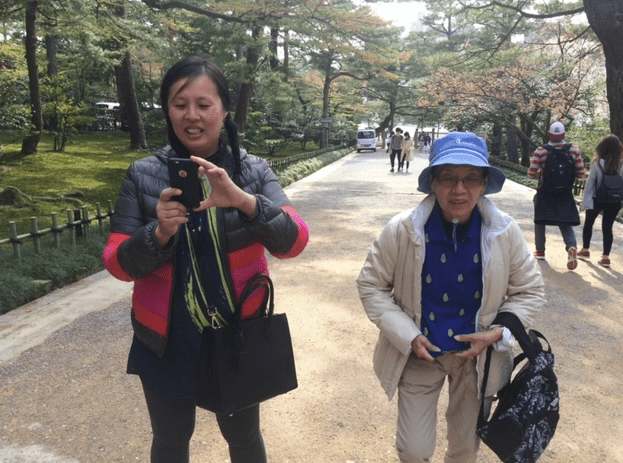
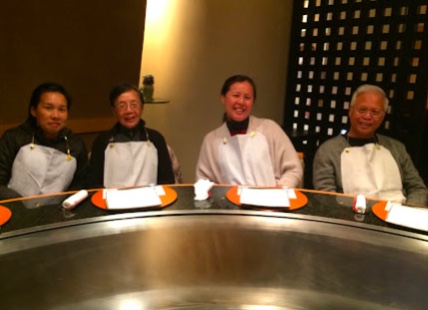
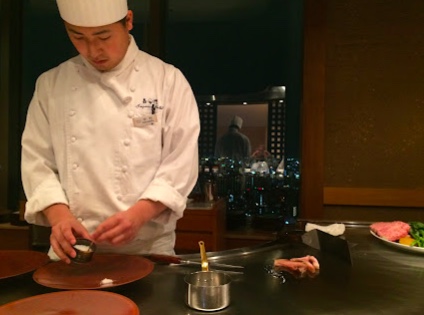
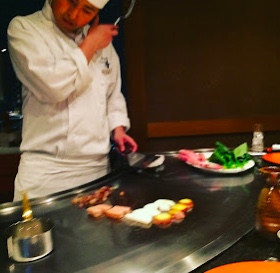
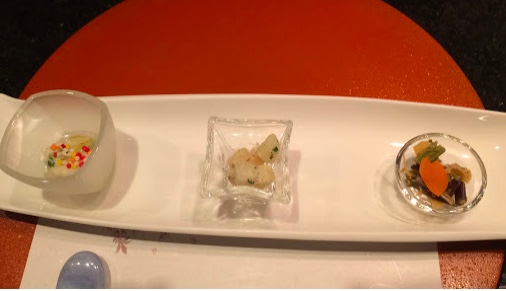
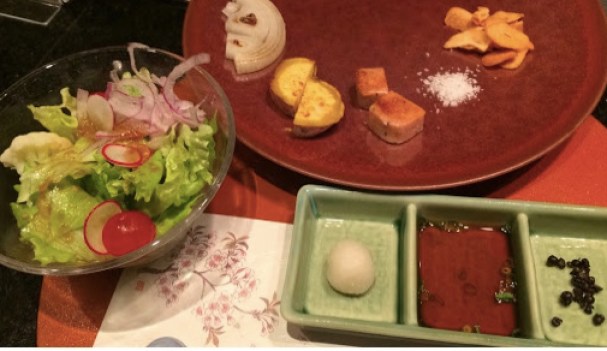
Our dinner this evening was a Teppanyaki one with the food cooked in front of us on a hot stainless steel plate.
我们今晚的晚餐是铁板烧,食物是在我们面前用热不锈钢盘烹制的。
Day 12: Tuesday 10th April 2018 - Osaka to Kanazawa
第 12 天:2018 年 4 月 10 日星期二 - 大阪到金泽。
This morning, we left our large suitcases for the porter to transport to Tokyo direct while we took small carry-on bags for our onward journey to Kanazawa on the western coast of Honshu Island. We were scheduled to reach Tokyo again on Day 14, 12th April 2018. In the meantime, we would be staying in Kanazawa’s Hotel Nikko for two nights.
今天早上,我们把大行李箱留给搬运工直接运往东京,而我们则带着小手提包继续前往本州岛西海岸的金泽。我们原定于 2018 年 4 月 12 日第 14 天再次到达东京。与此同时,我们将在金泽的日航酒店住两晚。
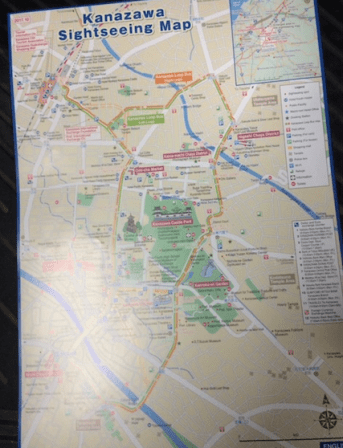
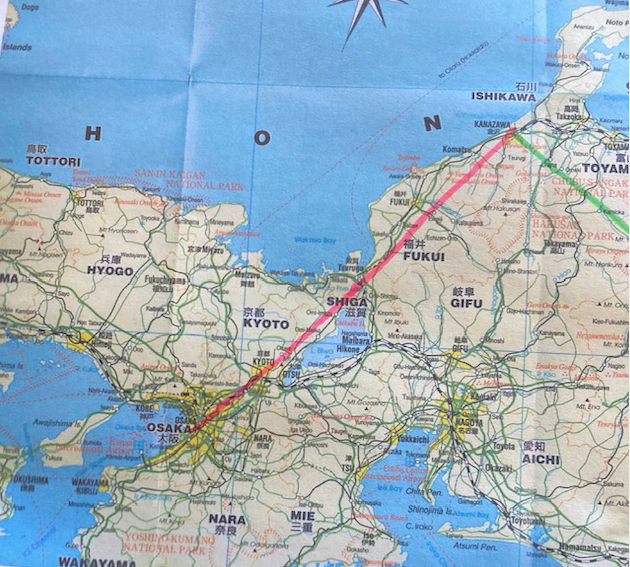
Our train journey from Osaka to Kanazawa (Japan Rail’s Thunderbird Express service) took two and a half hours for the 308 km distance.
我们从大阪到金泽的火车旅程(日本铁路的雷鸟特快列车服务)花了两个半小时,全程 308 公里。
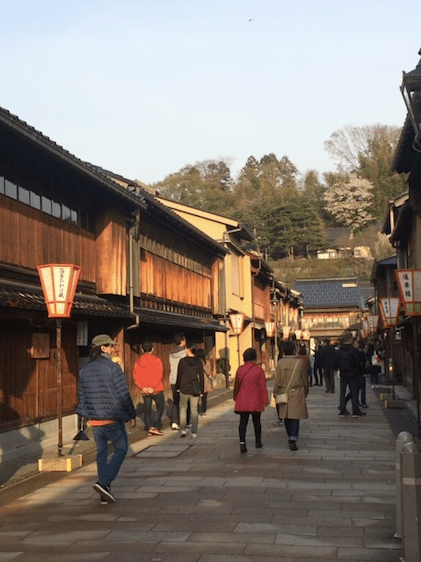
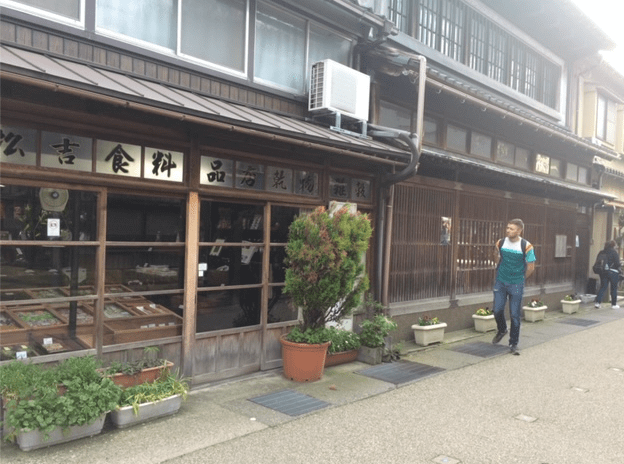
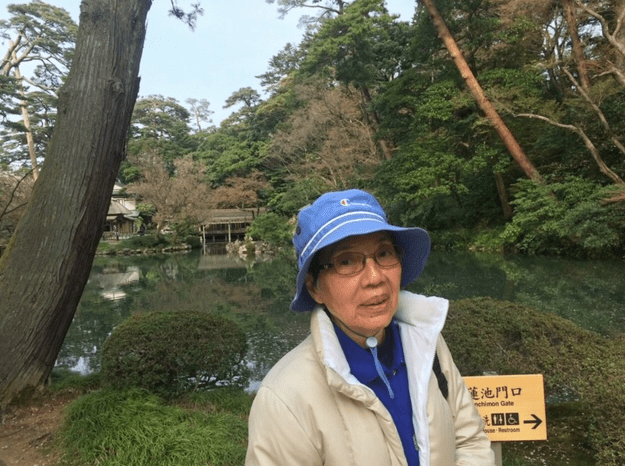
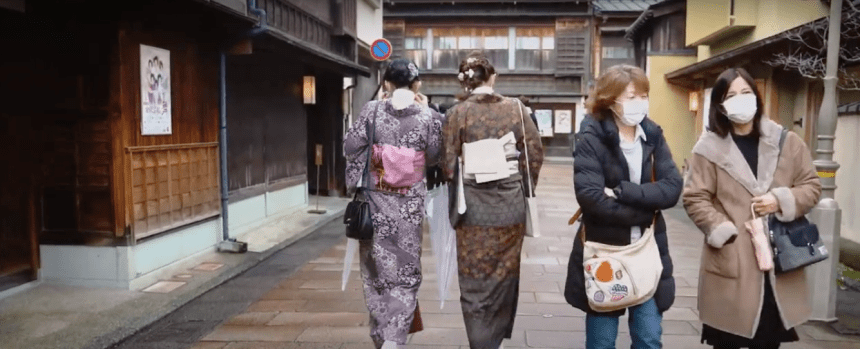
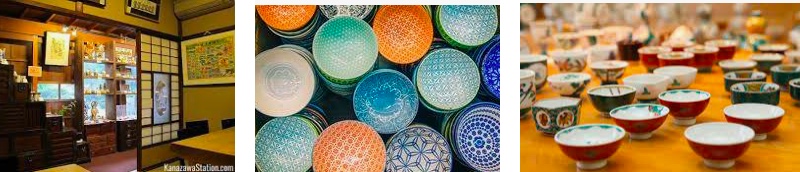
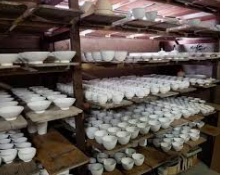
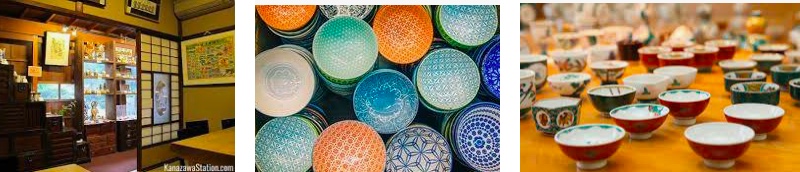
In the afternoon, we toured the old Geisha district of Kanazawa and the Kutani pottery workshop where we saw a demonstration of pottery making by a master potter. We also visited the residential area of a former famous samurai and one of Japan’s famous gardens - the Kenrokuen garden. https://youtu.be/uu_aXFg-6gE
下午,我们参观了金泽的老艺妓区和九谷陶艺工作室,在那里我们看到了一位陶艺大师的陶艺制作示范。我们还参观了一位前著名武士的住宅区和日本著名的花园之一——兼六园。 https://youtu.be/uu_aXFg-6gE
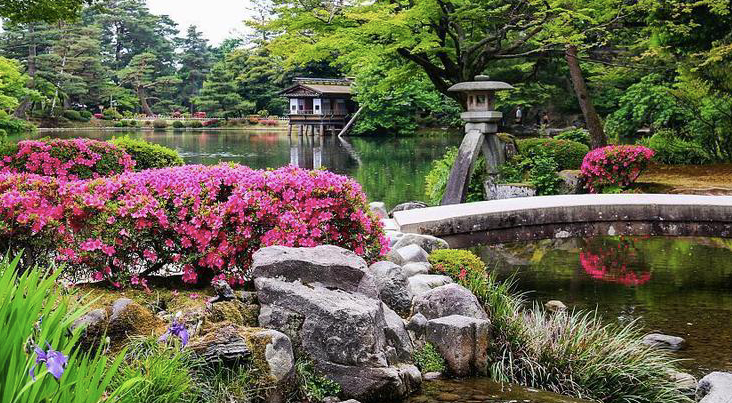
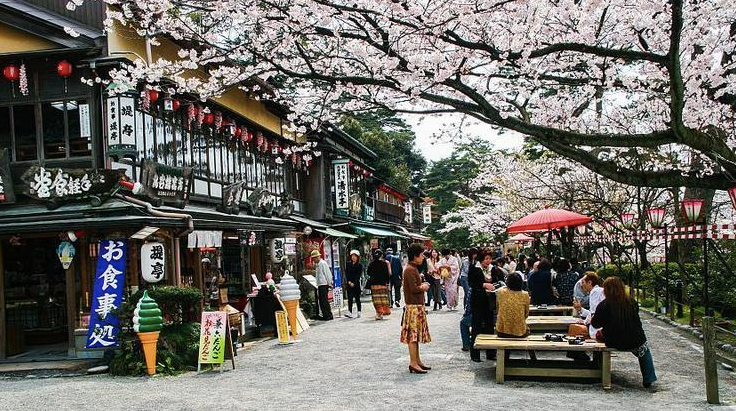
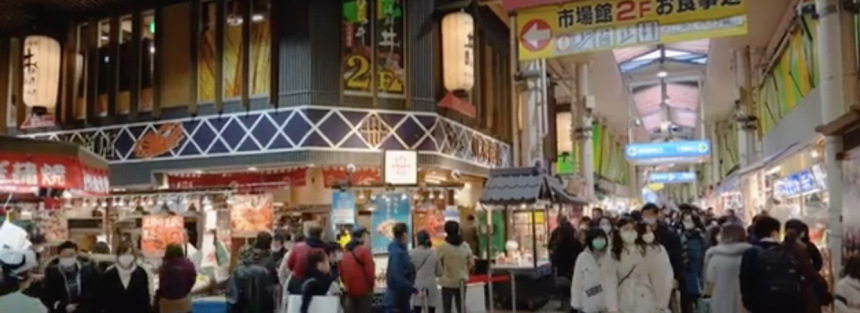
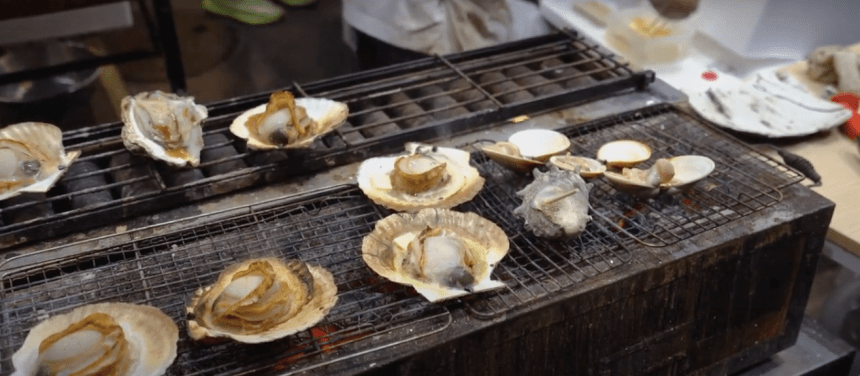
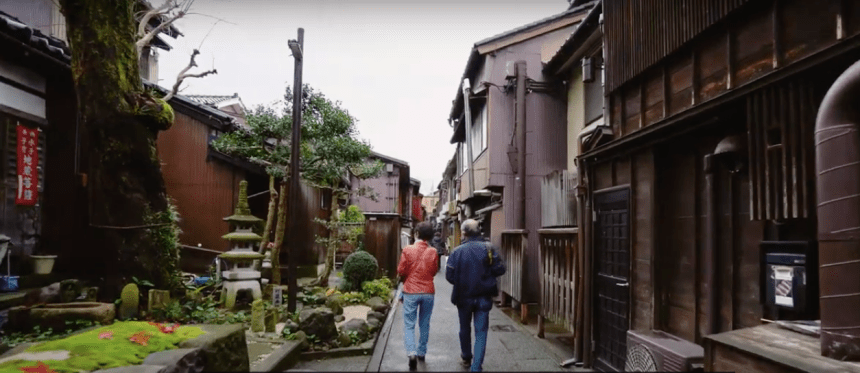
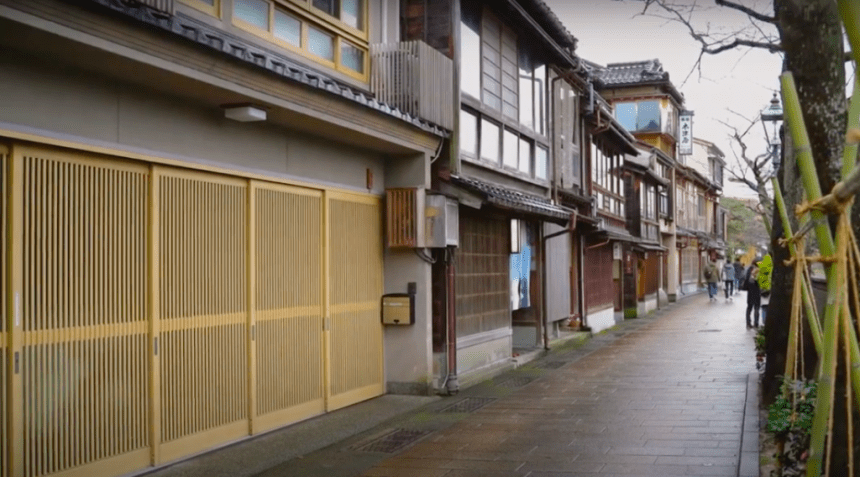
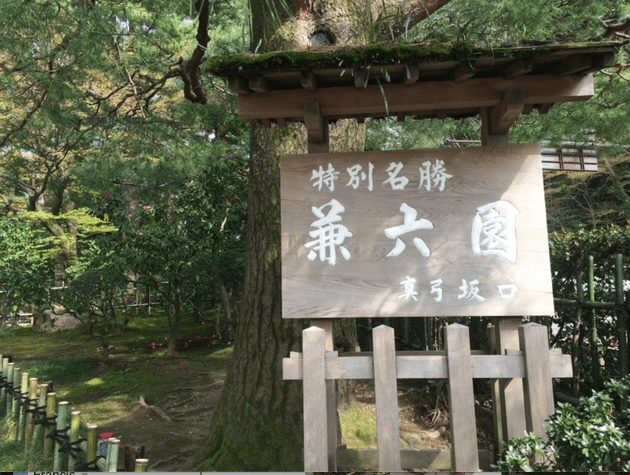
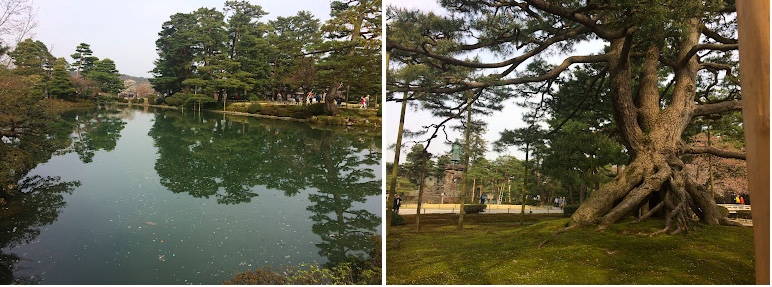
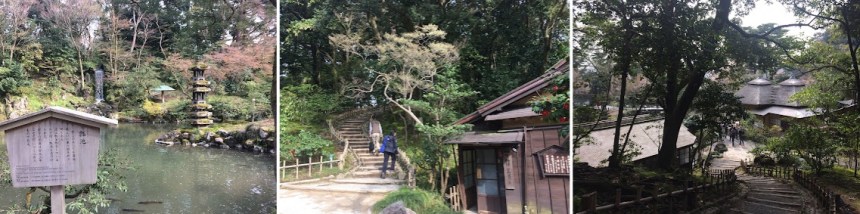
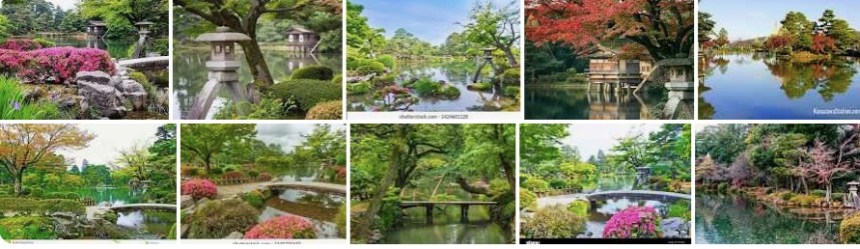
Kenrokuen Garden, Kanazawa, (兼六園), is considered to be one of the three most beautifully landscaped gardens in Japan, the other two being Mito’s Kairakuen and Okayama’s Korakuen. The spacious grounds used to be the outer garden of the Kanazawa Castle, constructed by the ruling Maeda family over a period of nearly two centuries. The Garden was opened to the public in 1871, and it features a variety of flowering trees which provide the garden with a different look for each of the four seasons of the year.
金泽兼六园被认为是日本三大园林之一,另外两个是水户的偕乐园和冈山的后乐园。宽敞的场地曾经是金泽城的外花园,由执政的前田家族在近两个世纪的时间里建造。花园于 1871 年向公众开放,拥有各种开花的树木,为花园提供了一年四季不同的外观。
The name Kenrokuen means “Garden of the Six Sublimities”, referring to spaciousness, seclusion, artificiality, antiquity, abundant water and broad views, which according to Chinese landscape theory are the six essential attributes that make up a perfect garden. We strolled around Kenrokuen and the tour guide helped us with the understanding of such a landscape theory. The grounds were teeming with water features, bridges, teahouses, trees, flowers, stones lai to patterns, viewpoints and hidden nooks and corners.
他命名兼六园,意为“六绝之园”,指空旷、幽静、造作、古朴、水丰、视野开阔,按照中国山水理论,是构成完美园林的六大要素。我们在兼六园闲逛,导游帮助我们了解了这样的景观理论。场地上布满了水景、桥梁、茶馆、树木、花卉、石刻图案、观点和隐藏的角落。
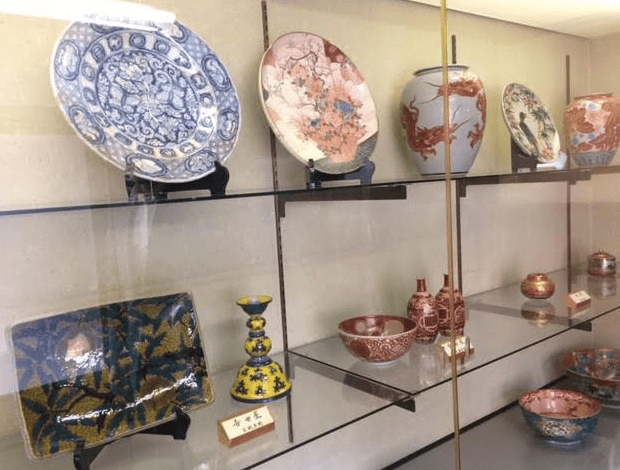
Porcelain that represents Kanazawa. Kutani Pottery.
代表金泽的瓷器。九谷陶器。
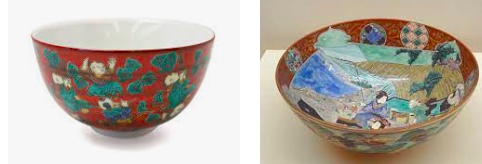
Kanazawa’s modern Kutani porcelain is based on a revival of Kutani porcelain early in the 19th century. Originally, Kutani porcelain was baked in Kutani Village in the southern part of Ishikawa Prefecture for several decades from the middle of the 17th century.
金泽的现代九谷瓷器以 19 世纪早期九谷瓷器的复兴为基础。最初,从 17 世纪中叶开始,九谷瓷器在石川县南部的九谷村烧制了几十年。
Later, Kutani porcelain leaped to fame when it was exhibited at the 1873 World Exposition. Kutani porcelain has once been exported to the West. Kutani porcelain is characterised by the technique of thickly heaping up paint in five colors, those are red, yellow, green, purple, and dark blue and drawing on natural beauties boldly.
后来,九谷瓷器在 1873 年的世界博览会上展出,一举成名。九谷瓷器曾经出口到西方。九谷烧以红、黄、绿、紫、深蓝五种颜色厚积颜料的技法为特征,大胆描绘自然之美。
It has developed as the typical Japanese colourful ceramic ware In recent years.
近年来,它已发展成为典型的日本彩色陶瓷器皿。
 English