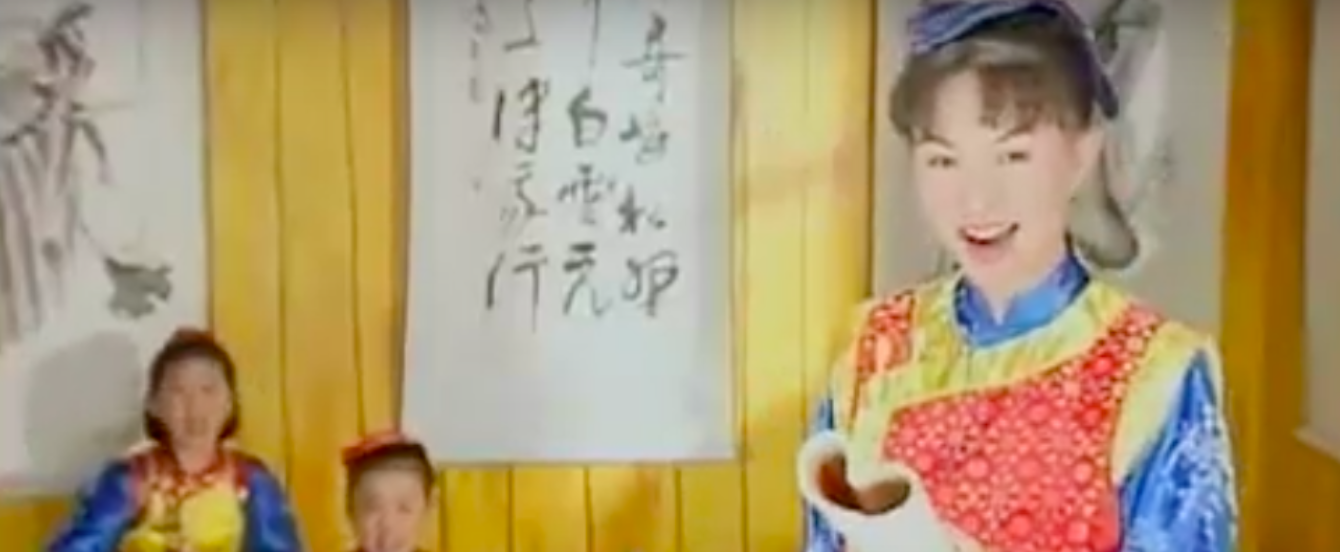
Older, Wiser … … 老 来 通


This is a recently published Chinese poem of thirty-eight rows each of eight Chinese characters each, the rows divided into nine groups of four rows each with the last two rows as the concluding couplet. It was published on the 11th of May 2022 in the Chinese webpage entitled “White Clouds in the Sky 198008”. http://天边的白云198008 http://weibo.com/u/6327491049 The author was recognised by the pen name of 荣耀 60 5G. The poem is entitled 老 来 通 which literarily can be translated as “Older (can) Come Through (that passage without any obstacle)” and can be condensed to “Older Comes Wisdom” or briefly, “Older, Wiser”.
The first stanza of four rows or two couplets with eight characters on each row each read as follows:
人生路上急匆匆,走快走慢不由衷。
古人曾见今时月,今月难照古时翁。
For students in the Chinese Language, the characters are pronounced in Pinyin as follows:
Rénshēng lùshàng jícōngcōng,     zǒu kuàizǒu màn bù yóuzhōng.
Gǔrén céng jiàn jīn shí yuè,     jīnyuè nán zhào gǔ shí wēng.
and the best possible translation into the English Language is as follows:
The character 月 (Yuè) has several meanings. One is ‘the moon’ (Yuèliàng). Another is ‘a month’ and yet another is ‘a period in time’ and it is the last one that the author means in the context of this poem. The character 月 (Yuè) appears twice in the second couplet and this couplet can be translated as “Any ancient person (meaning an Oldie) has seen situations like the present (the present moon, the present month, the present situation) and the present cannot possibly surprised any Oldie. The second 月 (Yuè) here represents ‘today’s situation (like COVID-19 possibly).
The earlier couplet laments: Why must we be living in a constant hurry, in a crisis mode, when we know that the speed in which we travel is beyond our control? (In other words, our lives are actually in God’s hands and we need to trust God to guide us through difficult situations.


The Second Stanza:
时间一刻也不停,变老就在每分钟。
多少英雄今不见,多少将相去无踪。
In Pinyin:
Shíjiān yīkè yě bù tíng, biàn lǎo jiù zài měi fēnzhōng.
Duōshǎo yīngxióng jīn bùjiàn, duō shào jiàng xiāngqù wú zōng.
English Translation:
Time does not stop any tiny millisecond and getting old is, simply, the same. Many former heroes and brilliant scholars have now passed on. How many images have simply disappeared.
The Third Stanza:
多少美女花容谢,多少俊男老来怂。
若问人生怎么过,形形色色各不同。
In Pinyin:
Duōshǎo měinǚ huā róng xiè, duōshǎo jùnnán lǎo lái sǒng.
Ruò wèn rénshēng zěnmeguò, xíngxíngsèsè gè bùtóng.


English translation:
How many beautiful ladies are thankful to God for their natural beauty? How many handsome gentlemen retire without ailments? If we ask the question: How to lead our lives, the answers can be as varied as the colours of the rainbow.
The Fourth Stanza:
有人高贵有人贱,有人睿智有人庸。
有人先贫后得福,有人富后落泊终。
In Pinyin:
Yǒurén gāoguì yǒurén jiàn, yǒurén ruìzhì yǒurén yōng.
Yǒurén xiān pín hòu dé fú, yǒurén fù hòu luòbó zhōng.
English Explanation:
God makes the life of everyone different from each other. Some lives are of noble births, some live in poverty. Some of us are wise, but there are others amongst us remain mediocre all of their lives. Some are poor first and then become rich, and some are rich and end up far behind others in wealth.

The fifth and sixth Stanzas:
有人勤善终有报,有人累死老来穷。
有人一生糊涂过,有人精明一世聪。
不足百年人生路,何去何从算成功?
沉浮起伏谁来定?七分在命三分功。
In Pinyin:
Yǒurén qín shànzhōng yǒu bào, yǒurén lèi sǐ lǎo lái qióng.
Yǒurén yīshēng hútúguò, yǒurén jīngmíng yīshì cōng.
Bùzú bǎinián rénshēng lù, héqùhécóng suàn chénggōng?
Chénfú qǐfú shéi lái dìng? Qī fēn zài mìng sān fēn gōng.
Explanation:
Some people are hardworking and are rewarded. Some people are exhausted and remain poor all their lives. Some have led confused lives, while others are astute all of their lives. We’ll blessed even if we suffer seven points in life and taste only three points of bitter-sweetness.

The seventh and the eighth stanzas:
功成名就寿不配,到头也是一场空。
人生有忧亦有喜,历尽甜苦和吉凶。
少年不识老滋味,赤膊撸腿往前冲。
年高老迈当歇息,思想胸怀应开通。
In Pinyin:
Gōngchéngmíngjiù shòu bùpèi, dàotóu yěshì yīchǎngkōng.
Rénshēng yǒu yōu yì yǒuxǐ, lìjìn tián kǔ hé jíxiōng.
Shàonián bù shí lǎo zīwèi, chìbó lū tuǐ wǎng qián chōng.
Nián gāo lǎomài dāng xiēxī, sīxiǎng xiōnghuái yīng kāitōng.
Explanation:
Some become successful but their lives are short. At the end, their every achievement meant nothing, zero, nought. Where does the sweetness of success come from? Who decides the ups and downs of our lives?
The ninth stanza and the last couplet.
求乐求健求平安,喜观山水乐看松。
人生暮年逢盛世,养老延寿看昌隆。
夕阳虽短开心过,待到百年含笑终! [Total: 38 Lines; 19 couplets.]
in Pinyin:
Qiú lè qiú jiàn qiú píng'ān, xǐ guān shānshuǐ lè kàn sōng.
Rénshēng mùnián féng shèngshì, yǎnglǎo yánshòu kàn chānglóng.
Xīyáng suī duǎn kāixīnguò, dài dào bǎinián hánxiào zhōng!
Explanation:
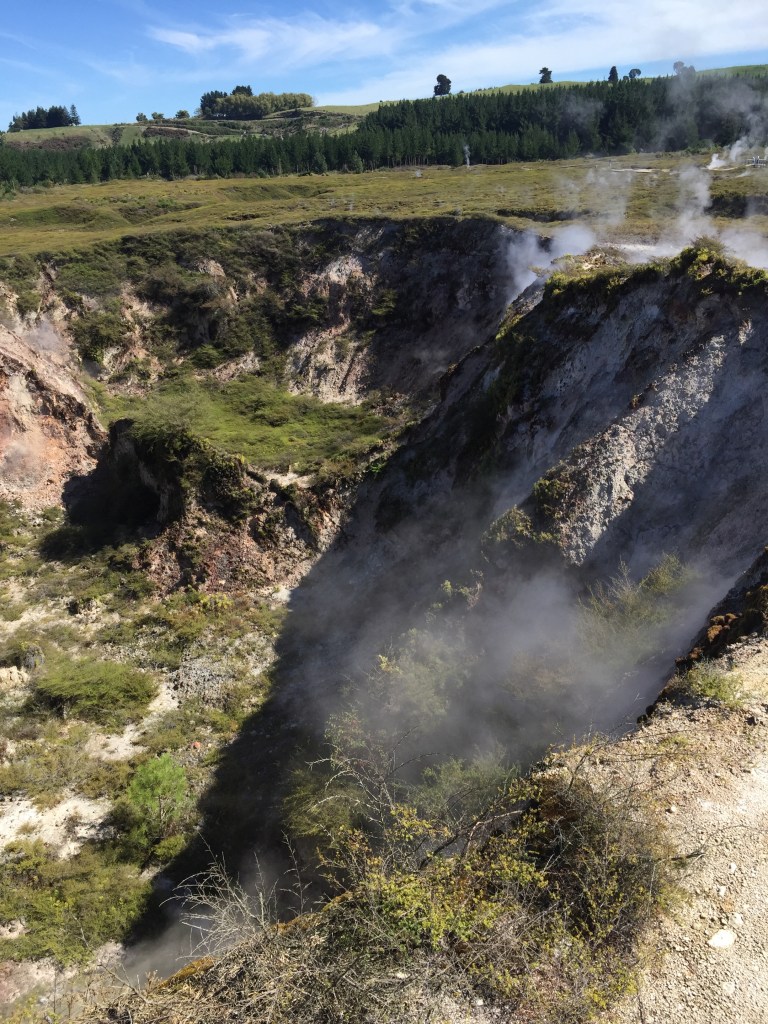
Seek happiness, health, and peace, and be happy to be able to see the landscape and the pine forest. In our twilight of life, reflecting upon our prosperous days, we are thankful that we have happiness in our longevity.

老 来 通
这是最近出版的一首中国诗,每行三十八行,每行八字,诗分为九组,每组四行或两对对联。然后在这首诗的最后还有两对附加的对联,也许是为了巩固这首诗的主题。它于2022年5月11日在题为“天空中的白云198008”的中文网页上发布。 http://天边的白云198008 http://weibo.com/u/6327491049 作者被荣耀60 5G笔名认出。这首诗题为“老来通”,字面意思可译为“老来(能)走过(那段没有任何障碍)”,可以浓缩为“老来智慧”或简称“老来,更睿智”。

1.
首节四行或两对联,每行八字,字如下:
人生路上急匆匆,走快走慢不由衷。    古人曾见今时月,今月难照古时翁。
月字(Yuè)有多种含义。一是“月亮”(Yuèliàng)。另一个是“一个月”,另一个是“一个时期”,这是作者在这首诗的上下文中所指的最后一个。月字在二联中出现两次,这对联可译为“古人(意为老歌)曾见今(今个月、今个月亮、今个现况)、今个现况不可能让任何老歌感到惊讶。这里的月(Yuè)代表“今天的情况(可能像 COVID-19)。 较早的对联感叹:当我们知道我们旅行的速度超出我们的控制时,为什么我们必须一直生活在匆忙中,处于危机模式中? (换句话说,我们的生命实际上掌握在上帝的手中,我们需要相信上帝会引导我们度过难关。)
2.
时间一刻也不停,变老就在每分钟。
多少英雄今不见,多少将相去无踪。
时间不会停止任何微小的毫秒,变老也是一样。许多昔日的英雄和杰出的学者现已去世。有多少图像已经消失了。
3.
多少美女花容谢,多少俊男老来怂。
若问人生怎么过,形形色色各不同.
有多少美丽的女士为她们的自然美而感谢上帝?有多少英俊的绅士无病退休?如果我们问这个问题:如何过我们的生活,答案可以像彩虹的颜色一样多变。
4.
有人高贵有人贱,有人睿智有人庸。
有人先贫后得福,有人富后落泊终。
上帝使每个人的生活彼此不同。有的生活出身高贵,有的生活贫困。我们中的一些人很聪明,但我们中间还有一些人一生都保持平庸。有的先穷后富,有的富了,最后在财富上远远落后于别人。
5. 6.
有人勤善终有报,有人累死老来穷。
有人一生糊涂过,有人精明一世聪。
不足百年人生路,何去何从算成功?
沉浮起伏谁来定?七分在命三分功。
有些人很努力,得到了回报。有些人精疲力竭,终生贫穷。有些人过着混乱的生活,而另一些人则一生精明。即使我们在生活中遭受七分苦,只尝三分苦甜,我们也会祝福。
7. 8.
功成名就寿不配,到头也是一场空。
人生有忧亦有喜,历尽甜苦和吉凶。
少年不识老滋味,赤膊撸腿往前冲。
年高老迈当歇息,思想胸怀应开通。
有些人成功了,但他们的生命很短暂。最后,他们的每一项成就都毫无意义,零,一文不值。成功的甜蜜从何而来?谁决定了我们生活的起起落落?
9. 10.
求乐求健求平安,喜观山水乐看松。
人生暮年逢盛世,养老延寿看昌隆。
夕阳虽短开心过,待到百年含笑终!
寻求幸福、健康、安宁,以能够看到山水和松林为乐。在我们生命的黄昏,回顾我们的繁荣岁月,我们感谢我们在长寿中拥有幸福。
Vocabulary List - just twelve phrases for now:
(1) 急匆匆 (2) 走快走慢 (3) 古人 (4) 古时
(1) jícōngcōng (2) zǒu kuàizǒu màn (3) gǔrén (4) gǔ shí
(1) in a hurry (2) move slowly or fast (3) ancient people (4) ancient time
(5) 时间 (6) 不停 (7) 每分钟 (8) 今不见
(5) shíjiān (6) bù tíng (7) měi fēnzhōng (8) jīn bùjiàn
(5) time (6) no ending in sight (7) every minute (8) it’s now disappearing
(9) 去无踪 (10) 美女, 俊男 (11) 高贵, 贱 (12) 睿智, 庸
(9) qù wú zōng (10) měinǚ, jùnnán (11) gāoguì, jiàn (12) ruìzhì, yōng
(9) gone without trace (10) beautiful lady, handsome gentlemen (11) noble, low ranking (12) wise, mediocre.
 English