
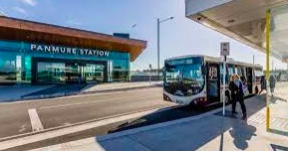
Transport holds the key. 住在巴士站和火车站附近是最重要的.
How does the current COVID-19 pandemic (with its many variants today) affect our thoughts on town and country planning designs?
This article suggests that we need to change our overall urban designs such that we place a higher preference to vertical mixed-zoning uses in vertical townships with transport cost as the centre of our attention.
“Why so?” you may well ask.
With petrol prices going up everyday and with inflation running at an unprecedented level, there is a need for us to live closer with one another, clustered on our transportation hub. That makes economic sense as we continue to be working more from home.
As a consequence of this trend (of working from zoom meetings at home), there is a need to rethink on planning of design spaces: of homes, of offices and even of commercial shops, especially of cafes and food outlets.
当前的 COVID-19 大流行(今天有许多变种)如何影响我们对城镇和乡村规划设计的想法?
本文建议我们需要改变我们的整体城市设计,以便在以交通成本为关注中心的垂直城镇中更加偏好垂直混合分区用途。
“为什么会这样?”你可能会问。
随着汽油价格每天都在上涨,通货膨胀率达到前所未有的水平,我们需要在交通枢纽上彼此更紧密地生活在一起。随着我们继续更多地在家工作,这具有经济意义。
由于这一趋势(在家中通过 Zoom 会议工作),需要重新考虑设计空间的规划:住宅、办公室甚至商业商店,尤其是咖啡馆和食品店。
Imagine the effects of a country that lives in vertical townships.
First, with our homes above basement level train and bus terminals, we are using public transportation more, thus saving transportation costs. This in turn helps us reduce air pollution and, more importantly, reduce our carbon footprints.
Second, with the ground level shops and convenience stores, we can get our everyday needs (such as food produces from supermarkets, haircuts and personal care services from hair/nail/physiotherapy and the like, medical general practitioners and chemists, children’s kindergartens) just by travelling from our high rise apartments to the ground level by lifts with probably some walking exercises between neighbouring blocks.
Third, with the podium levels (probably on the third to fifth floors) freed up between high-rise residential blocks, for our social needs like gyms, swimming pools, community centres, tuition services, we save on the cost of transportation.
Fourth, with car parking basement floors either above or below the public transportation level, we have the convenience of the use of our cars for those rare trips outside our vertical township.
想象一下居住在垂直乡镇的国家的影响。
首先,我们的家在地下一层的火车和巴士总站以上,我们更多地使用公共交通工具,从而节省了交通成本。这反过来又有助于我们减少空气污染,更重要的是,减少我们的碳足迹。
其次,通过底层商店和便利店,我们可以满足我们的日常需求(例如超市的食品,美发/美甲/理疗等的理发和个人护理服务,全科医生和化学家,儿童幼儿园)。从我们的高层公寓乘电梯到地面层,可能在相邻街区之间进行一些步行锻炼。
第三,高层住宅区之间的裙楼层(可能在三到五楼)腾出,满足我们的社会需求,如健身房、游泳池、社区中心、补习服务,我们节省了交通成本。
第四,在公共交通层以上或以下的停车场地下层,我们可以方便地使用我们的汽车进行垂直乡镇以外的罕见旅行。
Take a look at some good examples of environmentally friendly mixed-zoning-uses in vertical townships from other parts of the world.
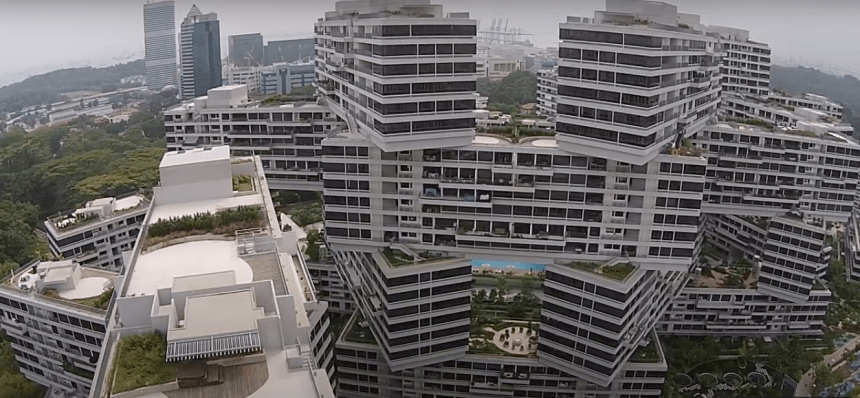
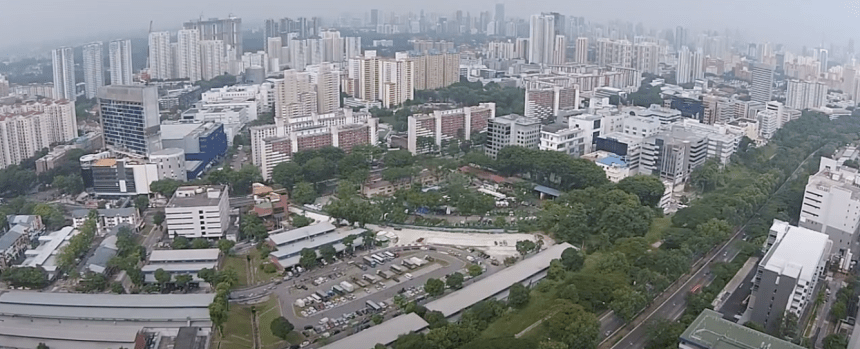
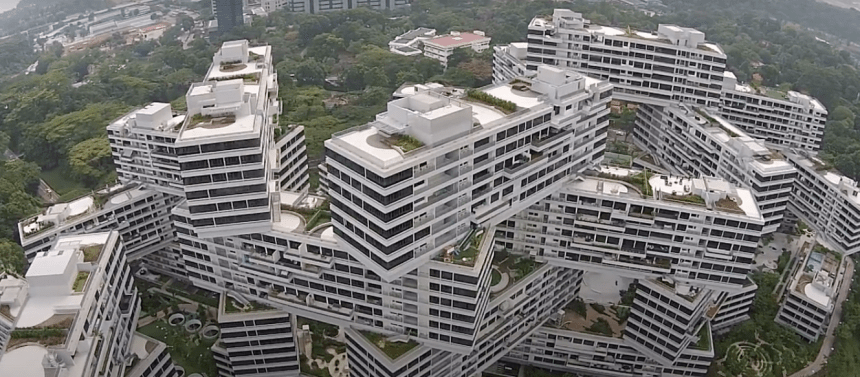
看看世界其他地区垂直城镇中环保混合分区用途的一些很好的例子。 示例#1:新加坡的Interlace 项目。
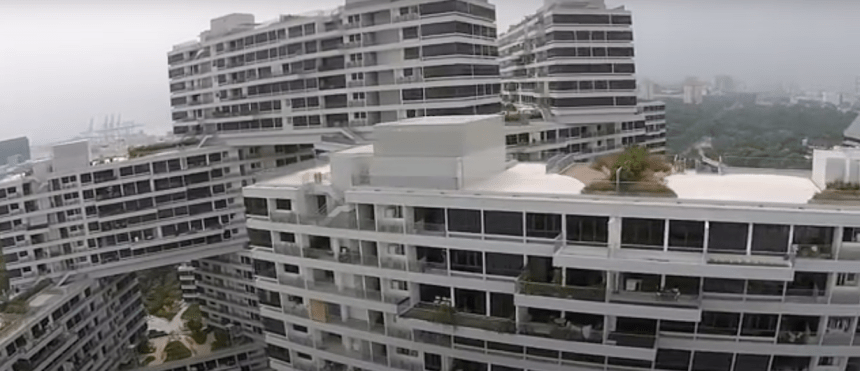
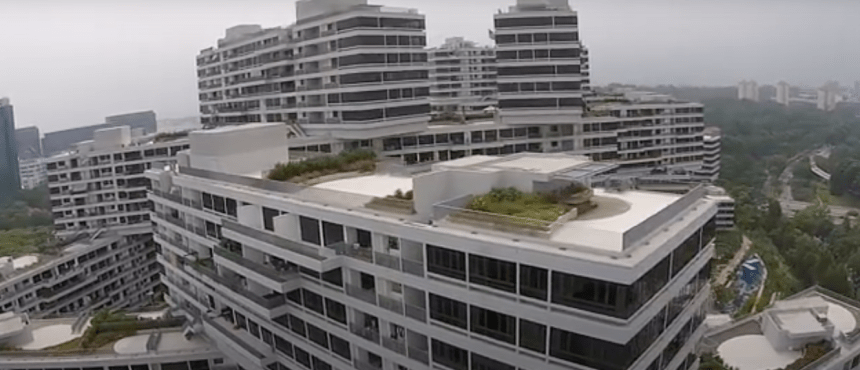
Example # 1: The Interlace project, Singapore. https://youtu.be/O7_H39epKIU
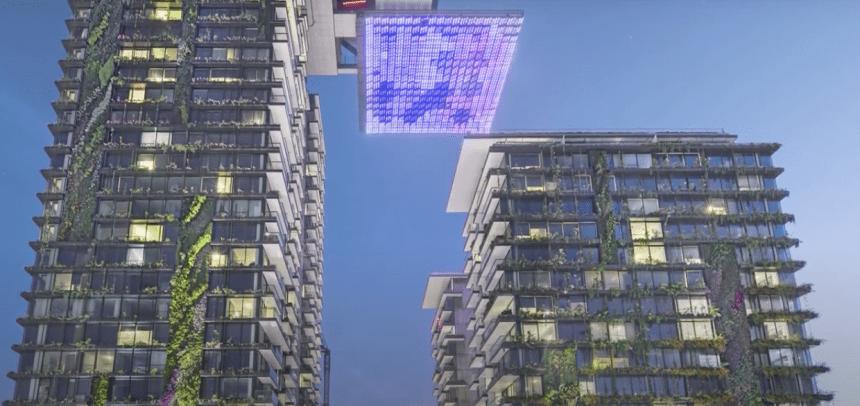
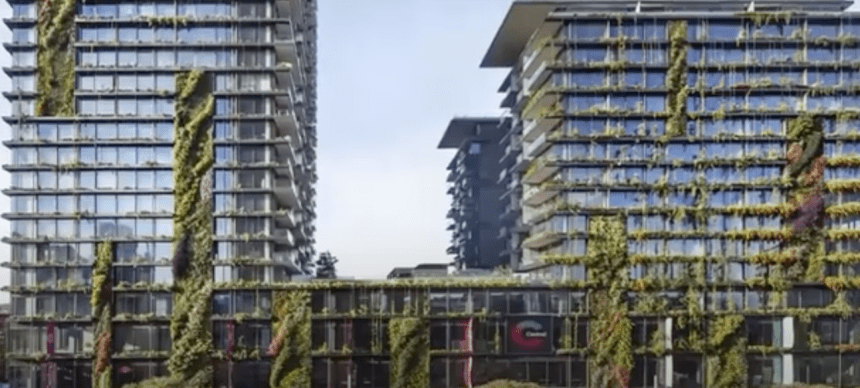
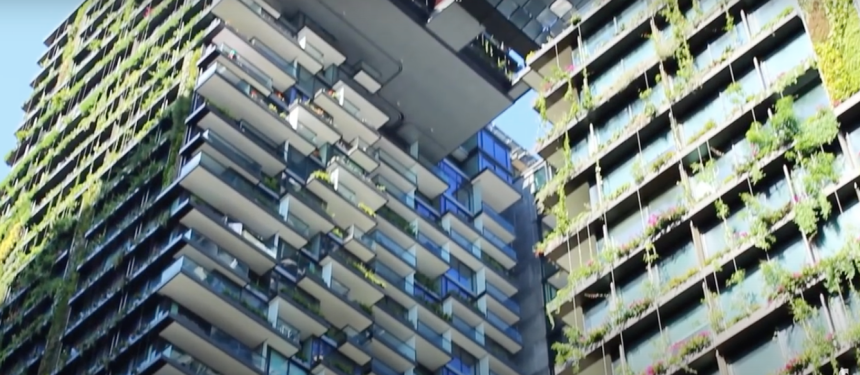
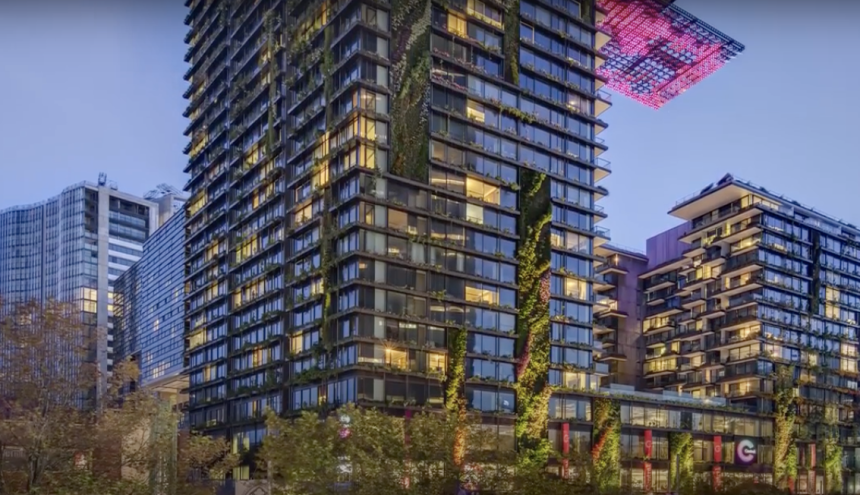
Example # 2: Award-winning Sydney mixed-use development with vertical gardens. https://youtu.be/c6EA2JxLQes
示例#2:屡获殊荣的带有垂直花园的悉尼综合开发项目。对同一项目的另一种看法:悉尼中央公园一号.
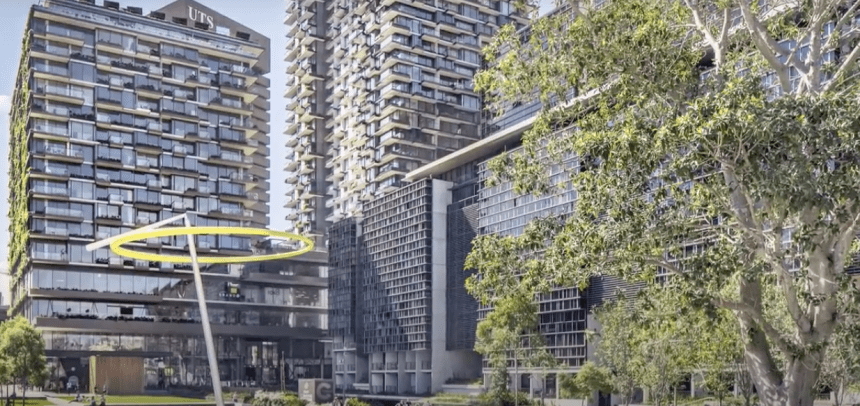
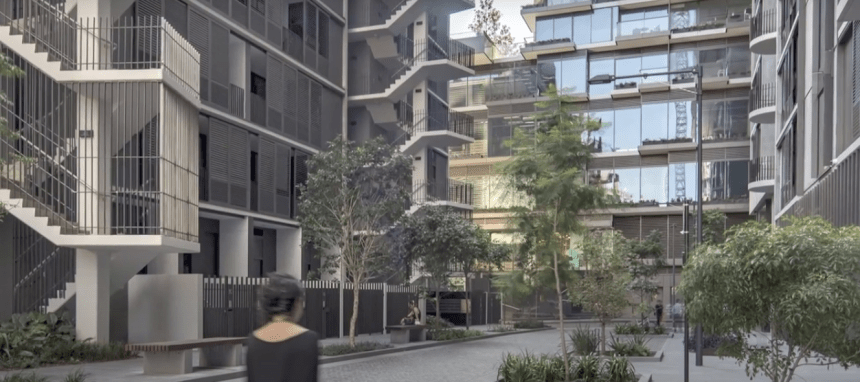
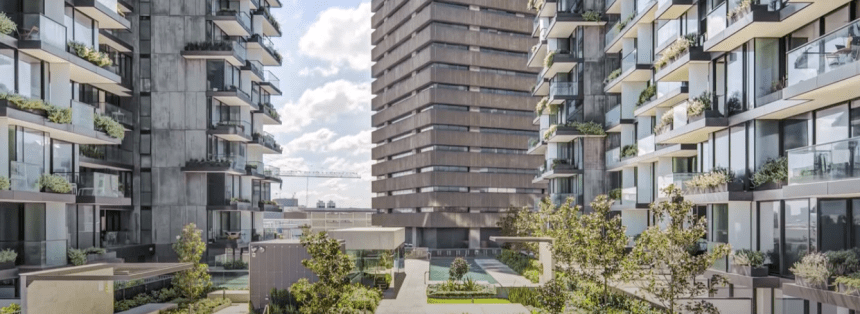
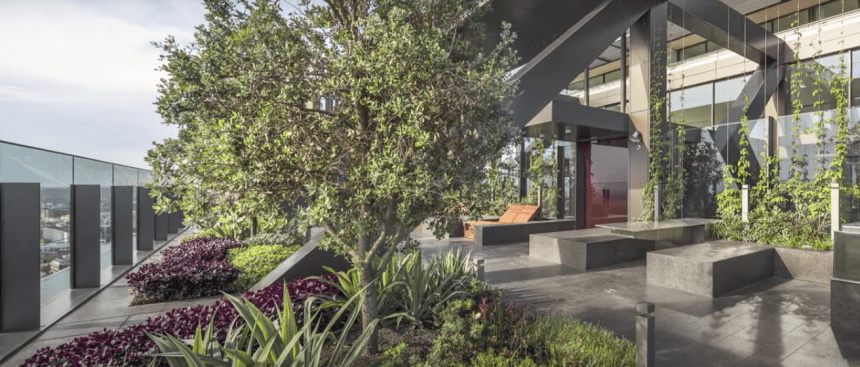
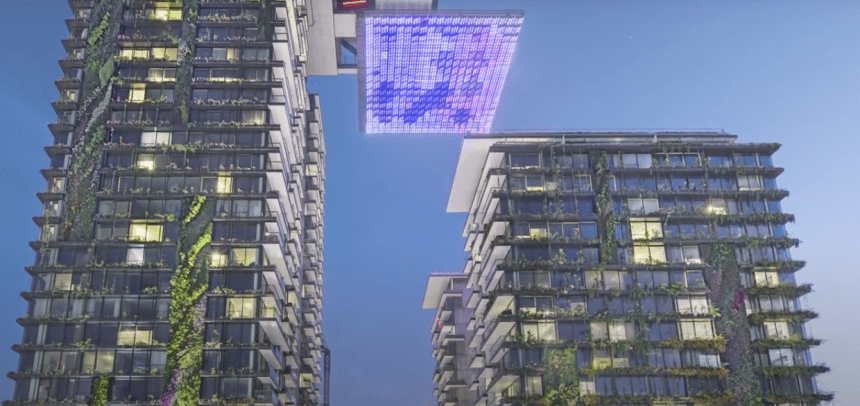
Another look at the same project: One Central Park, Sydney https://youtu.be/LZM94YwoPvE
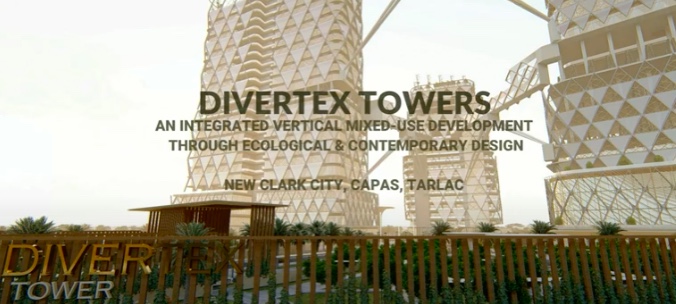
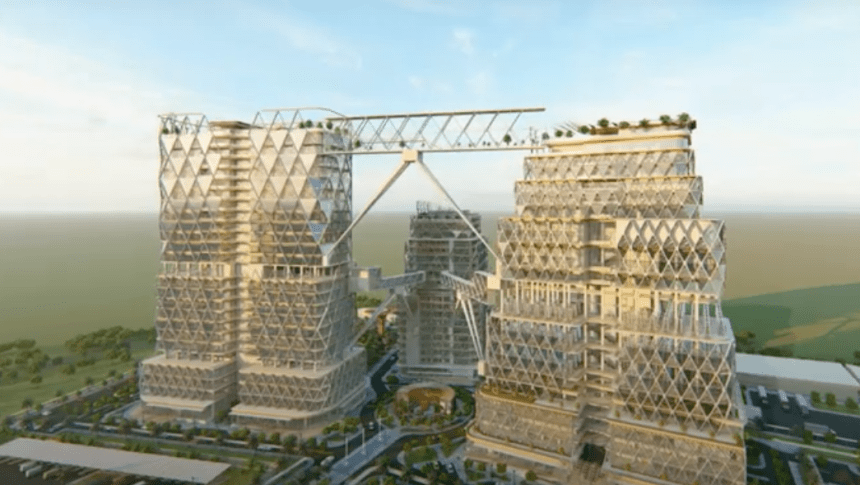
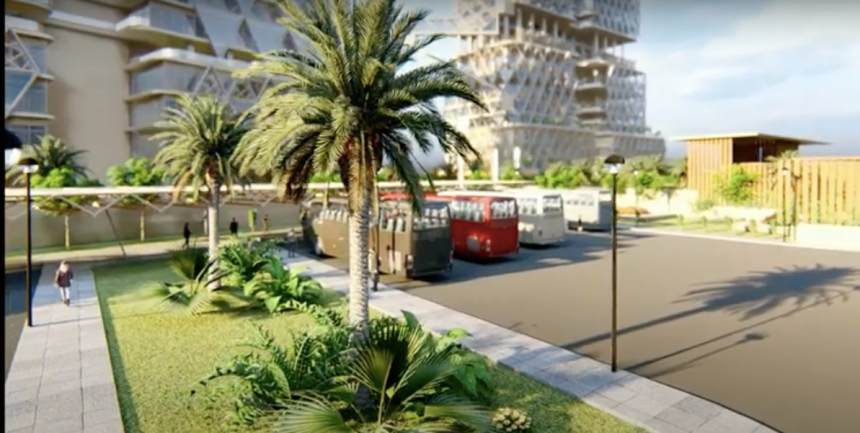
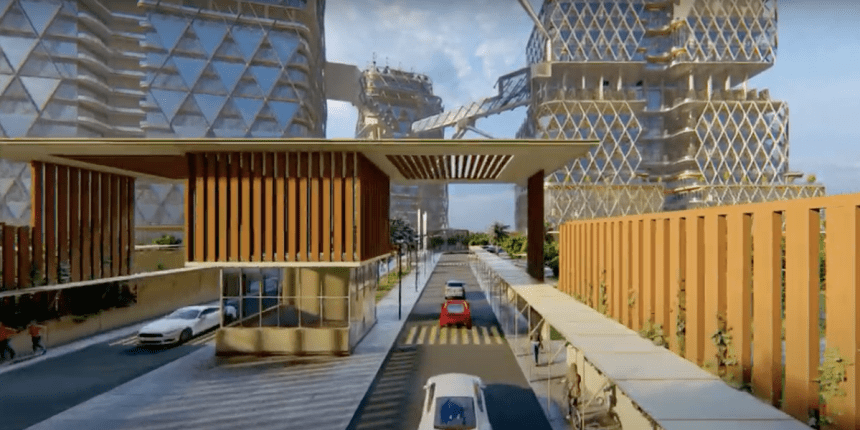
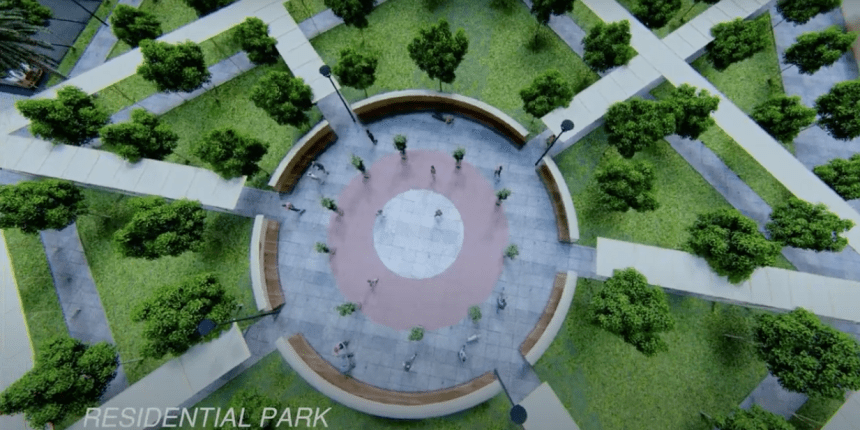
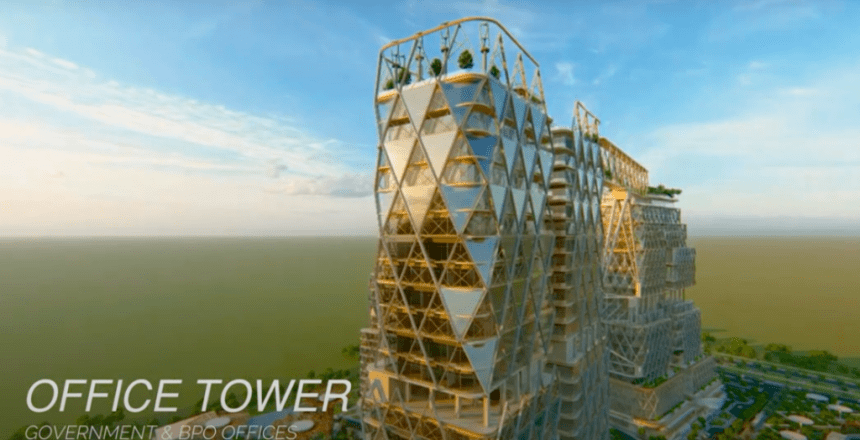
Example # 3: THE DIVERTEX TOWERS: Philippines. An Integrated Vertical Mixed-Use Development through Ecological and Contemporary Design https://youtu.be/5FUccIxU4-Q
示例# 3:DIVERTEX 塔:菲律宾。通过生态和现代设计的综合垂直混合用途开发.
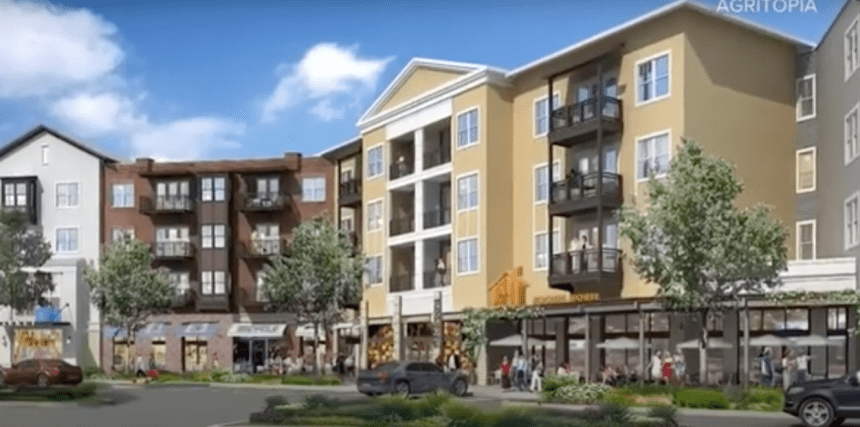
Example # 4: Agritopia: What is a ‘vertical mixed-use community’? Here’s a look inside Gilbert’s innovative new living spaces. https://youtu.be/cp16WLH5pQI
示例#4:Agritopia:什么是“垂直混合用途社区”?这是吉尔伯特创新的新生活空间内部的一瞥。
 English