Cambodia 2018 年的柬埔寨
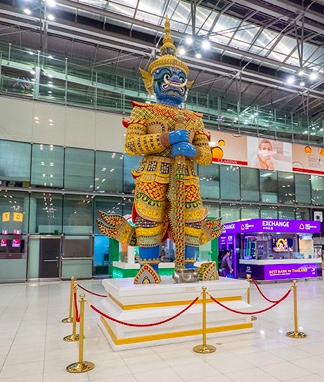
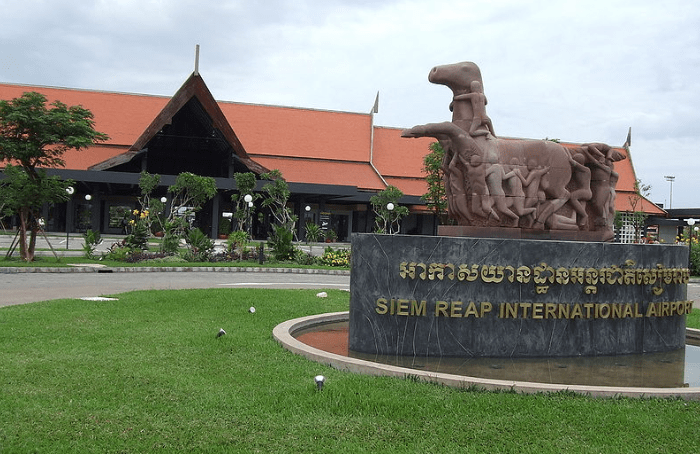
By 11:30am on Friday 3 August 2018, we were at the Mandalay Airport (Myanmar) waiting to board a 1630 flight to Siem Reap, Cambodia, transiting at Bangkok’s Suvarnabhumi Airport, Thailand. The word “we” in this article refers to the six of us - myself and my wife, and our second daughter’s family of four. We eventually arrived at Siem Reap Garden International Airport at 1845 hours - an entire day of travel.
2018 年 8 月 3 日星期五上午 11:30,我们在曼德勒机场(缅甸)等待登上飞往柬埔寨暹粒的 1630 航班,在泰国曼谷的素万那普机场中转。本文中的“我们”一词指的是我们六个人——我和我的妻子,以及我们二女儿的四口之家。我们最终在 1845 小时到达暹粒花园国际机场——一整天的旅行。
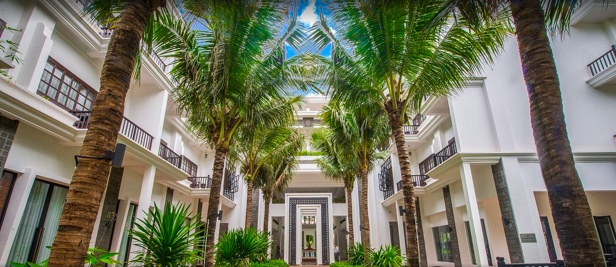
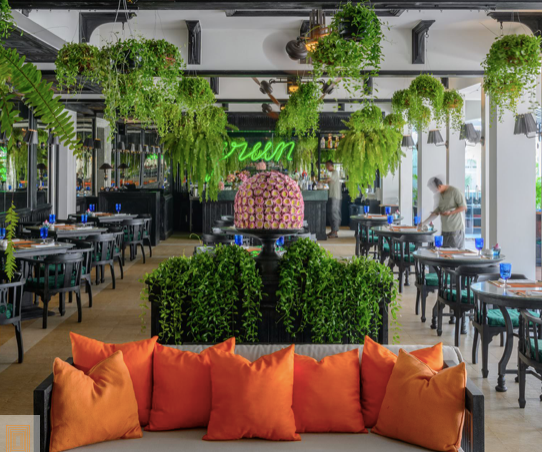
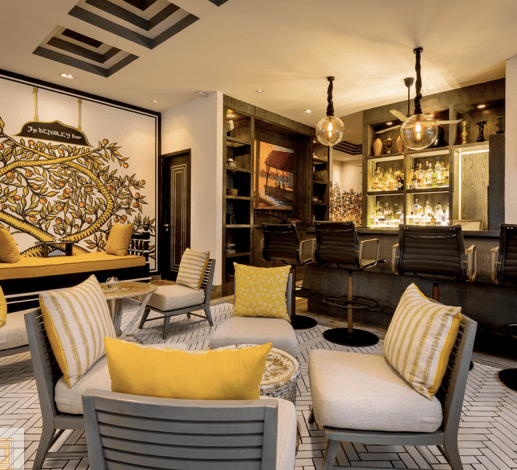
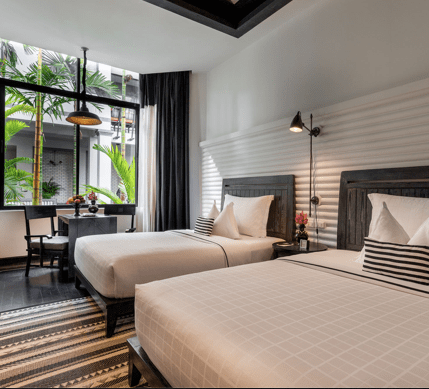
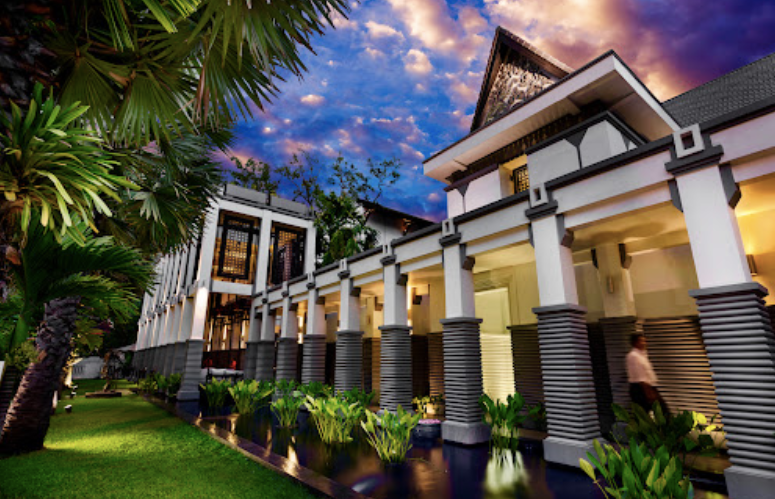
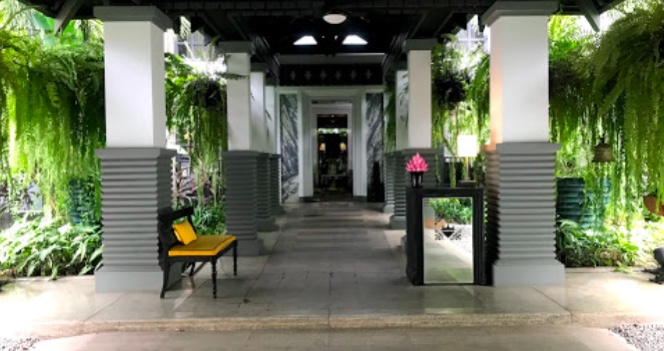
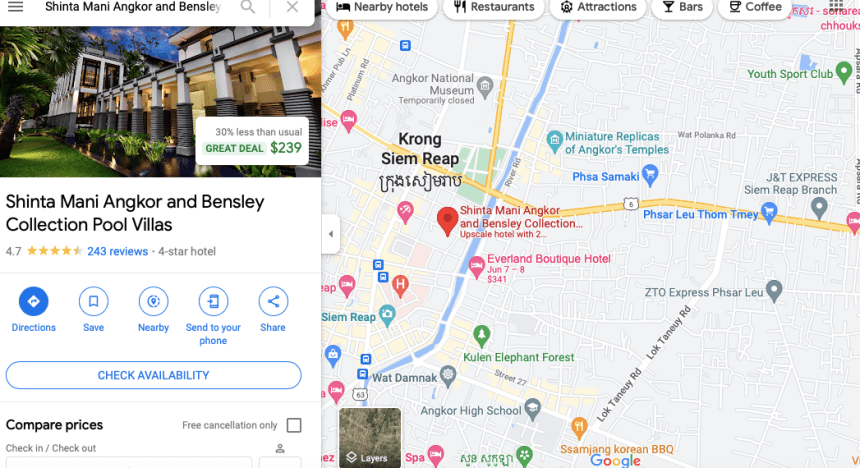
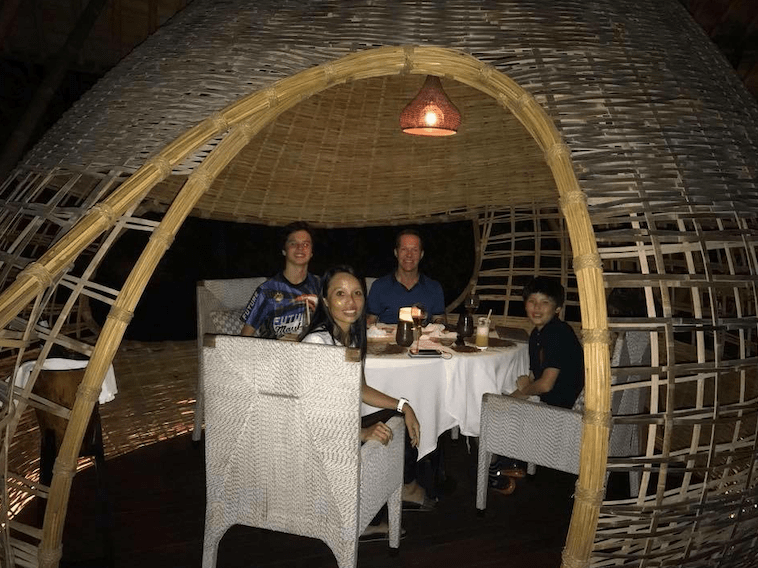
We stayed for two nights at the boutique resort of Shinta Mani Angkor, right in the city central of Siem Reap, along Oum Khun Street 14th, Mondul 2. [see the location map below].
我们在暹粒市中心的精品度假村 Shinta Mani Angkor 住了两晚。 [见下面的位置图]。
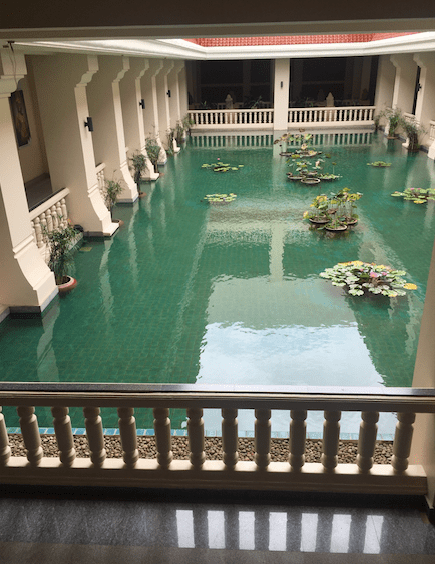
A Pool inside the Hotel’s Airwell
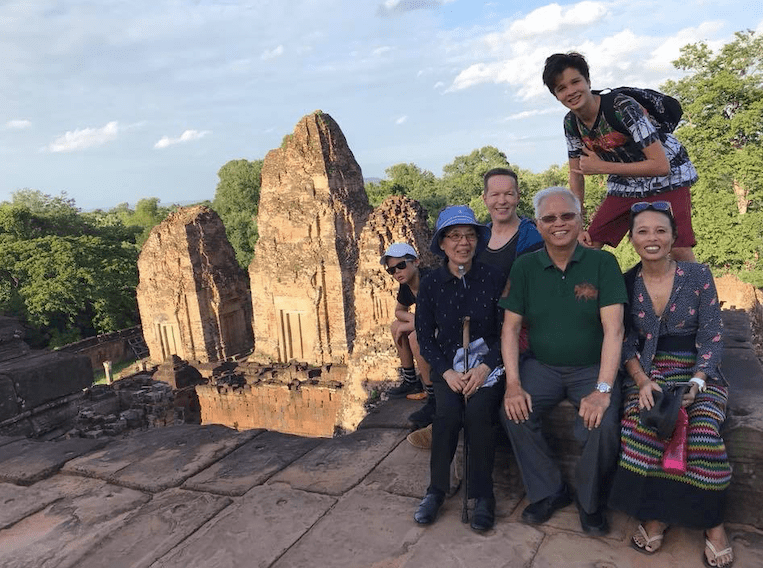
Saturday, 4th August 2018 was spend exploring the awesome temples of Angkor, including Angkor Wat, the world’s largest sacred building and an architectural masterpiece. We entered the southern Gate of Angkor Thom, and visited Prasat Bayon, a temple of the enigmatic stone face towers before visiting the 350 meter long ‘Terrace of the Elephants’ and the mysterious ‘Terrace of the Leper King.’ After lunch and a short rest at the hotel during the heat of the day we visited the jungle-enveloped Ta Prohm, one of the most atmospheric of all temples in Angkor and a renowned movie set.
2018 年 8 月 4 日星期六,我们将花时间探索令人敬畏的吴哥寺庙,包括世界上最大的神圣建筑和建筑杰作吴哥窟。我们进入吴哥城的南门,参观了神秘的石面塔的寺庙Prasat Bayon,然后参观了350米长的“大象台”和神秘的“麻风王台”。午餐后短暂停留在炎热的一天在酒店休息,然后我们参观了丛林环绕的塔布伦寺,这是吴哥所有寺庙中最有气氛的寺庙之一,也是著名的电影拍摄地点.


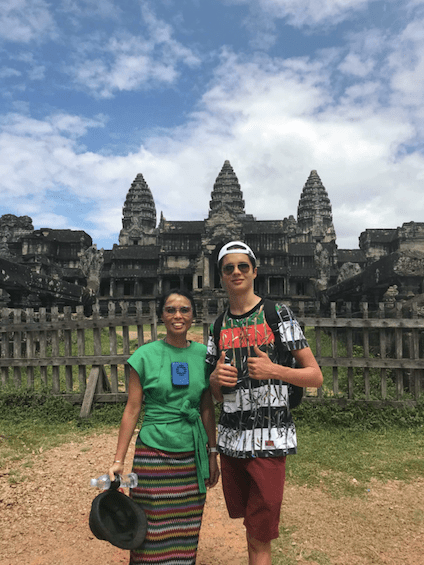
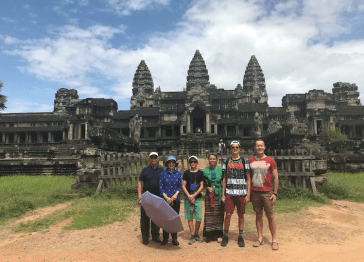
Highlights:
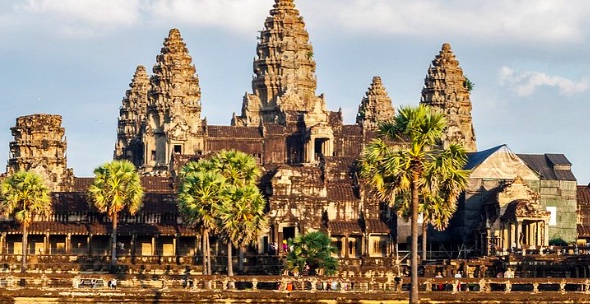
Angkor Wat – World’s largest sacred building. https://youtu.be/gISEEOmabFQ
吴哥窟——世界上最大的神圣建筑。
Angkor is one of the most important archaeological sites in South-East Asia. Stretching over some 400 km2, including forested area, Angkor Archaeological Park contains the magnificent remains of the different capitals of the Khmer Empire, from the 9th to the 15th century. They include the famous Temple of Angkor Wat and, at Angkor Thom, the Bayon Temple with its countless sculptural decorations. UNESCO has set up a wide-ranging programme to safeguard this symbolic site and its surroundings.
吴哥是东南亚最重要的考古遗址之一。吴哥考古公园占地约 400 平方公里,包括森林地区,包含 9 世纪至 15 世纪高棉帝国不同首都的壮丽遗迹。其中包括著名的吴哥窟和在吴哥城的巴戎寺及其无数的雕塑装饰。联合国教科文组织制定了一项范围广泛的计划来保护这个标志性遗址及其周围环境。
The engineering masterpiece of Angkor Wat is strikingly tall and covers an area four times larger than the Vatican City. But without the surrounding moat, the structure would never have survived.
吴哥窟的工程杰作非常高大,占地面积是梵蒂冈城的四倍。但如果没有周围的护城河,该结构将永远无法幸存。
Angkor Wat combines two basic plans of Khmer temple architecture: the Temple Mountain and the later The Galleried Temple. It is designed to represent the home of Devas in Hindu mythology, within a moat more than five kilometres long. An outer wall of 3.6 kilometres long has three rectangular galleries, each raised above the next. At the centre of the temple stands a series of towers. Unlike most Angkorian temples, Angkor Wat is oriented to the west. The temple is admired for the grandeur and harmony of the architecture, its extensive bas-reliefs, and for the numerous devatas adorning its walls.
吴哥窟结合了高棉寺庙建筑的两个基本计划:寺庙山和后来的画廊寺庙。它旨在代表印度神话中的天神之家,位于一条超过 5 公里长的护城河内。长3.6公里的外墙有三个长方形画廊,每个都在下一个之上。在寺庙的中心矗立着一系列塔楼。与大多数吴哥窟不同,吴哥窟是面向西方的。这座寺庙因其宏伟而和谐的建筑、广泛的浅浮雕以及装饰其墙壁的众多神灵而备受赞誉。
As the best-preserved temple at the site, Angkor Wat is the only one to have remained a significant religious centre since its foundation. The temple is at the top of the high classical style of Khmer architecture. It is one of the most important pilgrimage sites for Buddhists in Cambodia and around the world, having played a major role in the conversion of Cambodia into a Buddhist nation.
作为该遗址保存最完好的寺庙,吴哥窟是唯一一个自成立以来一直保持着重要宗教中心的寺庙。这座寺庙位于高棉建筑高度古典风格的顶端。它是柬埔寨和世界各地佛教徒最重要的朝圣地之一,在柬埔寨转变为佛教国家方面发挥了重要作用。
Angkor Thom Southern gate – 54 stone figures. https://youtu.be/RayTOi44tGM
吴哥城南门 - 54 个石像。
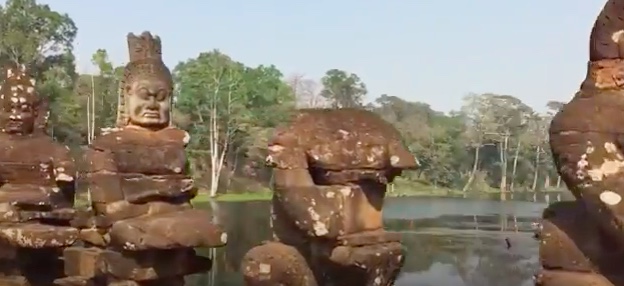
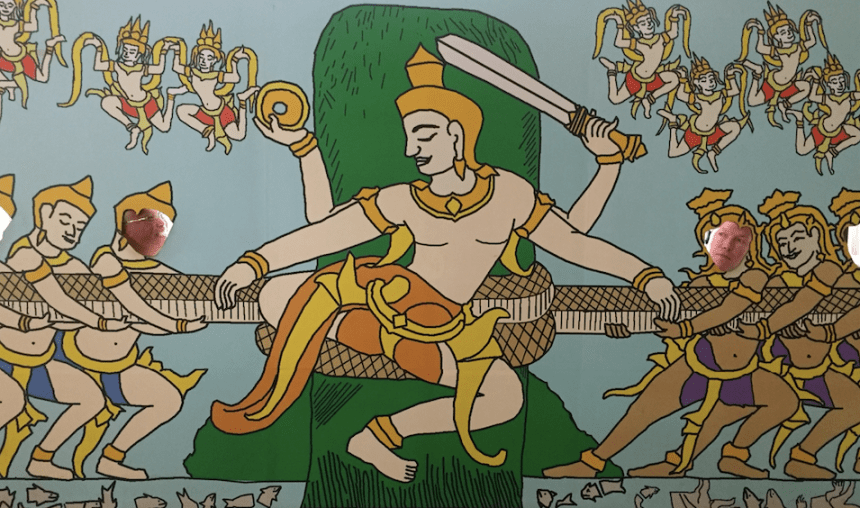
The south gate of Angkor Thom is well preserved. It is approached from the outside via a causeway that extends about fifty meters across a moat. On each side of the causeway are railings fashioned with 54 stone figures engaged in the performance of a famous Hindu story: the myth of the Churning of the Ocean. On the left side of the moat, 54 ‘devas’ (guardian gods) pull the head of the snake ‘Shesha’ while on the right side 54 ‘asuras’ (demon gods) pull the snake’s tail in the opposite direction. In this myth, the body of the snake is wrapped around the central mountain—Mt. Meru—perhaps corresponding here to the Bayon temple at the center of the site. In any case, the myth relates that as the Devas pulled the snake in one direction and the gods pushed in the other, the ocean began to churn and precipitate the elements. By alternating back and forth, the ocean was ‘milked’, forming the earth and the cosmos anew.
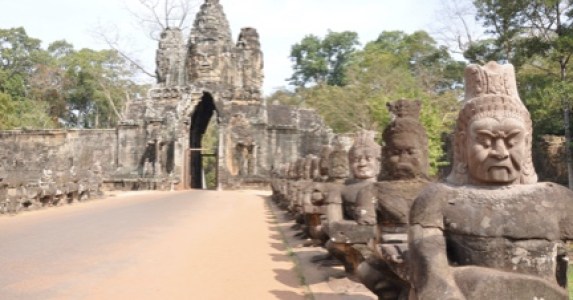
吴哥城南门保存完好。它是从外面通过一条横跨护城河延伸约五十米的堤道进入的。堤道两侧的栏杆由 54 个石像组成,这些石像正在表演着名的印度教故事:海洋搅动的神话。在护城河的左侧,54 位“天神”(守护神)拉动蛇“舍沙”的头部,而在右侧的 54 位“阿修罗”(魔神)将蛇的尾巴拉向相反的方向。在这个神话中,蛇的身体缠绕在中央山峰——山上。须弥——或许在这里对应于遗址中心的巴戎寺。无论如何,神话讲述了当天神将蛇拉向一个方向而众神推向另一个方向时,海洋开始搅动并沉淀元素。通过来回交替,海洋被“挤奶”,重新形成了地球和宇宙。
The central tower of the stone gate is capped by three face-towers that face the four directions (the central tower faces both out and in). Below them at the base of the gate are two sets of elephant statues that flank the entrance on both sides. Sitting on each elephant is a figure of the god Indra carrying his usual weapon, the vadra (a lightning bolt). The gate itself is shaped like an upside-down ‘U’ and is corbeled at the top (instead of arches, the builders of Angkor preferred to use corbeling to span distances). It is still possible to see where wooden doors once fitted to the gate through openings in the stone.
石门的中塔由三座面向四个方向的面塔所覆盖(中塔朝外和朝内)。在它们下方的大门底部是两组大象雕像,位于入口两侧。坐在每头大象上的是因陀罗神手持他常用的武器 vadra(闪电)的形象。大门本身的形状像一个倒置的“U”形,顶部有牛腿(吴哥的建造者更喜欢使用牛腿来跨越距离,而不是拱门)。仍然可以通过石头上的开口看到曾经安装在大门上的木门。
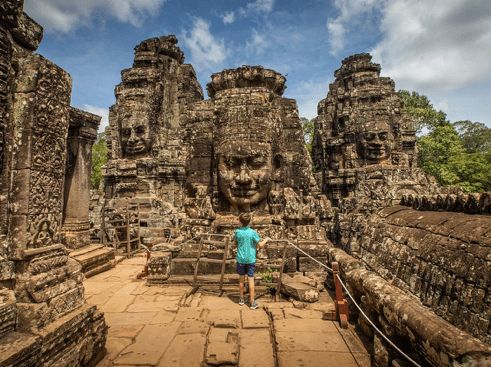
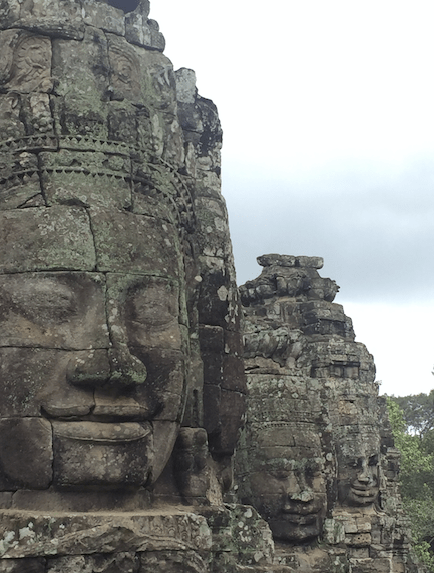
Prasat Bayon Temple – Enigmatic stone face towers. https://youtu.be/_E0OPtfsB78 https://youtu.be/p_DEbt8Wb6c https://youtu.be/p_DEbt8Wb6c
巴戎寺 - 神秘的石面塔。
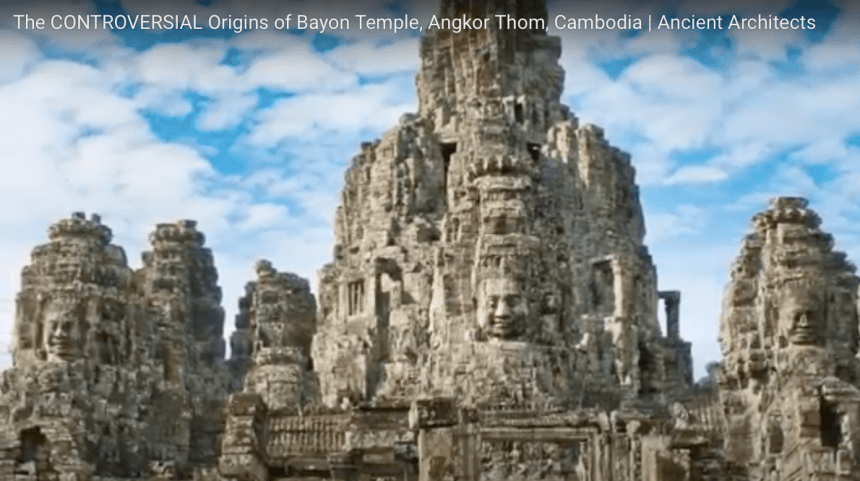
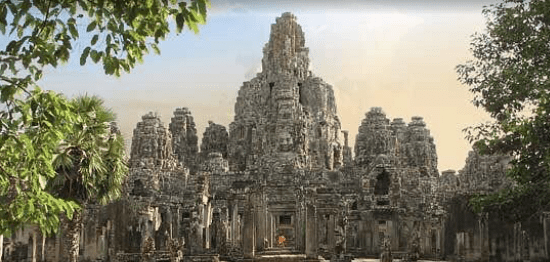
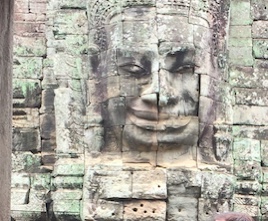
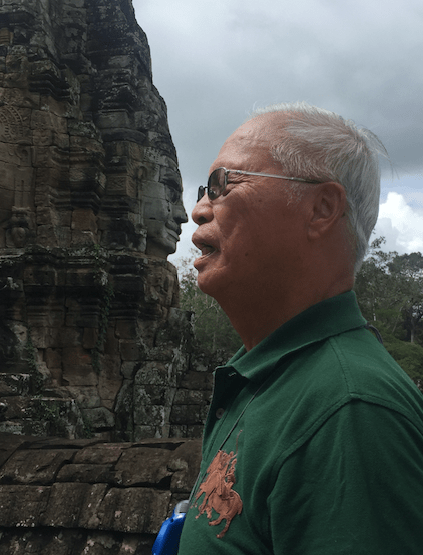
The Bayon (Khmer: ប្រាសាទបាយ័ន, Prasat Bayon) is a well-known and richly decorated Khmer temple at Angkor in Cambodia. Built in the late 12th or early 13th century as the official state temple of the Mahayana Buddhist King Jayavarman VII (Khmer: ព្រះបាទជ័យវរ្ម័នទី ៧), the Bayon stands at the centre of Jayavarman’s capital, Angkor Thom (Khmer: អង្គរធំ). Following Jayavarman’s death, it was modified and augmented by later Hindu and Theravada Buddhist kings in accordance with their own religious preferences. The Bayon’s most distinctive feature is the multitude of serene and smiling stone faces on the many towers which jut out from the upper terrace and cluster around its central peak. The temple is known also for two impressive sets of bas-reliefs, which present an unusual combination of mythological, historical, and mundane scenes. The current main conservatory body, the Japanese Government Team for the Safeguarding of Angkor (the JSA) has described the temple as “the most striking expression of the baroque style” of Khmer architecture, as contrasted with the classical style of [[Angkor Wat (Khmer: ប្រាសាទអង្គរវត្ត)]] .
巴戎寺(高棉语:ប្រាសាទបាយ័ន,Prasat Bayon)是柬埔寨吴哥著名且装饰华丽的高棉寺庙。巴戎寺建于 12 世纪末或 13 世纪初,是大乘佛教国王阇耶跋摩七世(高棉语:ព្រះបាទជ័យវរ្ម័នទី ៧)的官方国家寺庙,位于 Jayavarman 首都吴哥窟( :អង្គរធំ)。阇耶跋摩死后,后来的印度教和上座部佛教国王根据他们自己的宗教偏好对其进行了修改和扩充。巴戎河最显着的特点是许多塔楼上的众多宁静而微笑的石脸,这些塔楼从上层平台突出并聚集在其中央峰顶周围。这座寺庙还以两组令人印象深刻的浅浮雕而闻名,它们呈现出神话、历史和世俗场景的不同寻常的组合。目前的主要温室机构,日本政府保护吴哥小组(JSA)将这座寺庙描述为高棉建筑“巴洛克风格最引人注目的表现”,与[[吴哥窟(高棉语:ប្រាសាទអង្គរវត្ត)]]。

Terrace of the Elephants – 350 meters long. https://youtu.be/c26X-G_61KM
大象露台——长 350 米。
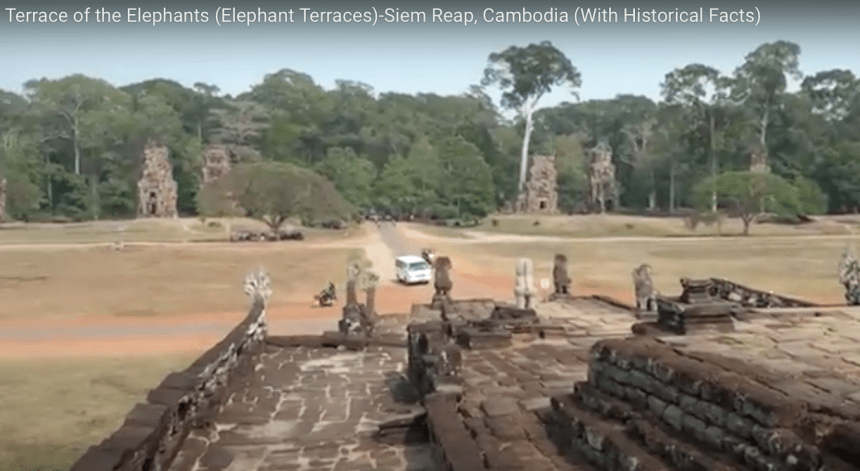
The 350 metres long 2.5 metres high Terrace of Elephants was used as a giant reviewing stand for public ceremonies of Angkor’s kings. It was used for as a display platform for the king’s victorious returning armies. It forms a part of the walled city of Angkor Thom, a ruined temple complex. The northern part of the Terrace of the Elephants’ wall contains many especially fine sculptures, including a 5-headed horse and garudas (bird-like humanoid creatures from Hindu and Buddhist mythology) as well as dancers and warriors. At the very end of the terrace is the Terrace of the Leper King, built during King Jayavarman VII’s reign.
350米长、2.5米高的大象台被用作吴哥国王公开仪式的巨型检阅台。它被用作国王胜利归来的军队的展示平台。它构成了围墙城市吴哥城的一部分,这是一座被毁的寺庙建筑群。大象台墙的北部有许多特别精美的雕塑,包括一匹五头马和金翅鸟(印度教和佛教神话中的鸟类人形生物)以及舞者和战士。平台的尽头是麻风王平台,建于阇耶跋摩七世统治时期。
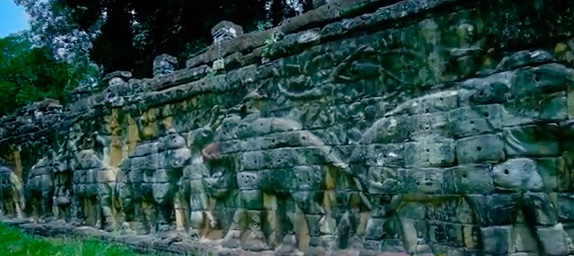
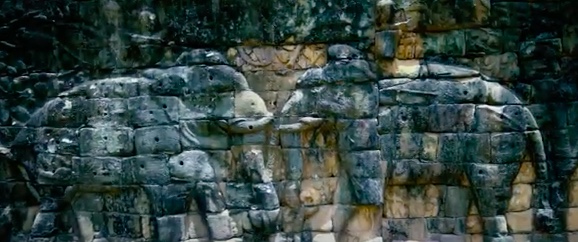
Terrace of the Leper King – featuring a sexless statue. https://youtu.be/42S9dKEZIJE https://youtu.be/_NzjUG0FxkA https://youtu.be/_NzjUG0FxkA
麻风王露台——以无性别雕像为特色。
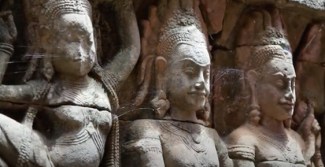
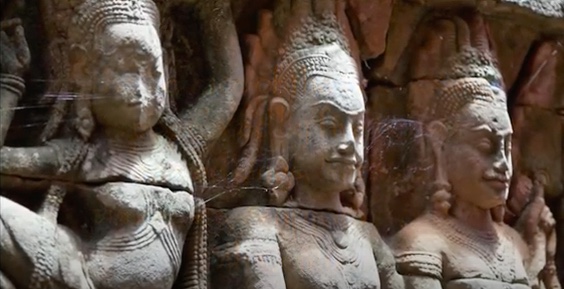
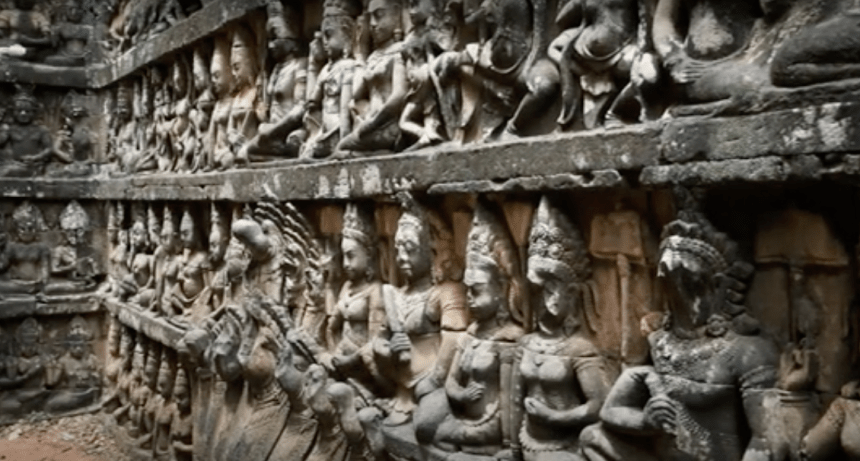
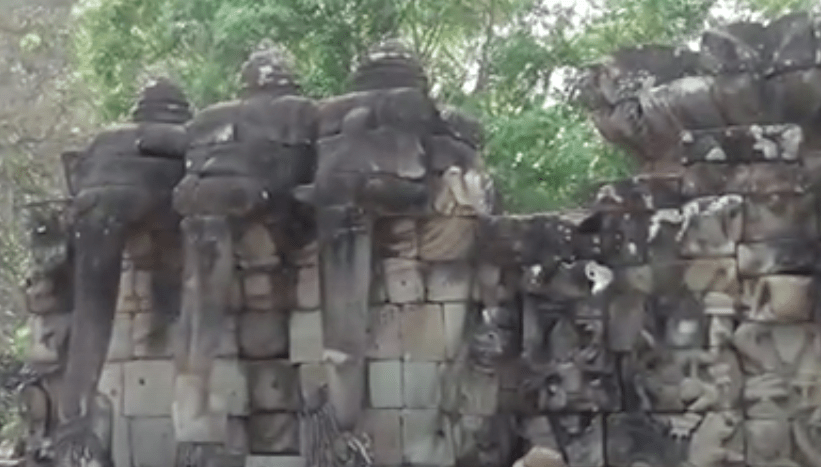
The Terrace of the Leper King is located to the north of the Terrace of Elephants. The Terrace was dated from the late 12th century. It is a 7m-high platform, on top of which stands a nude, though sexless, statue. The front retaining walls of the terrace are decorated with at least five tiers of meticulously executed carvings. On the southern side of the Terrace of the Leper King, there is an access to a hidden terrace with exquisitely preserved carvings.
麻风王台位于大象台的北面。露台的历史可以追溯到 12 世纪后期。这是一个 7m 高的平台,平台上矗立着一尊裸体但没有性别的雕像。露台的前挡土墙上装饰着至少五层精心制作的雕刻。在麻风王露台的南侧,有一条通往隐藏着精美雕刻的露台的通道。
Legend has it that at least two of the Angkor kings had leprosy, and the statue may represent one of them. Another theory – a more likely explanation – is that the statue is of Yama, the god of death, and that the Terrace of the Leper King housed the royal crematorium.
传说至少有两位吴哥国王患有麻风病,雕像可能代表其中一位。另一种理论——一个更可能的解释——是雕像是阎王,死神,而麻风王台是皇家火葬场。
On the southern side of the Terrace of the Leper King (facing the Terrace of Elephants), there is another access to the front wall of a hidden terrace that was covered up when the outer structure was built. Four tiers of figures are present, looking as fresh as if they had been carved yesterday, because these figures have been covered up for centuries. Some of the figures carry fearsome expressions. As we follow the inner wall of the Terrace of the Leper King, we notice increasingly rough chisel marks on the figures, an indication that this wall was never completed, like many of the temples at Angkor.
在麻风王台的南侧(面对大象台),还有另一个通道可以通往一个隐藏的露台的前墙,该露台在建造外部结构时被遮盖住了。有四层人物,看起来像昨天雕刻的一样新鲜,因为这些人物已经被掩盖了几个世纪。一些人物带有可怕的表情。当我们沿着麻风王台的内墙走时,我们注意到人物上的凿痕越来越粗糙,这表明这堵墙从未完工,就像吴哥的许多寺庙一样。
Ta Prohm – Famous movie set for “Tomb Raider”.
Ta Prohm - 著名电影《古墓丽影》的场景。
Ta Prohm’s haunting ruins are also a 1,000-year-old climate change warning. https://youtu.be/CUfTM-BC-ek The temple was built in 1186, but has since merged with the jungle. Ta Prohm is the undisputed capital of the kingdom of the Trees’. It has been left untouched by archaeologists except for the clearing of a path for visitors and structural strengthening to stave of further deterioration.
Ta Prohm 令人难以忘怀的废墟也是 1000 年前的气候变化警告。这座寺庙建于 1186 年,但后来与丛林融为一体。塔普伦是树木王国无可争议的首都。除了为游客开辟道路和加强结构以防止进一步恶化外,考古学家没有对其进行任何改动。
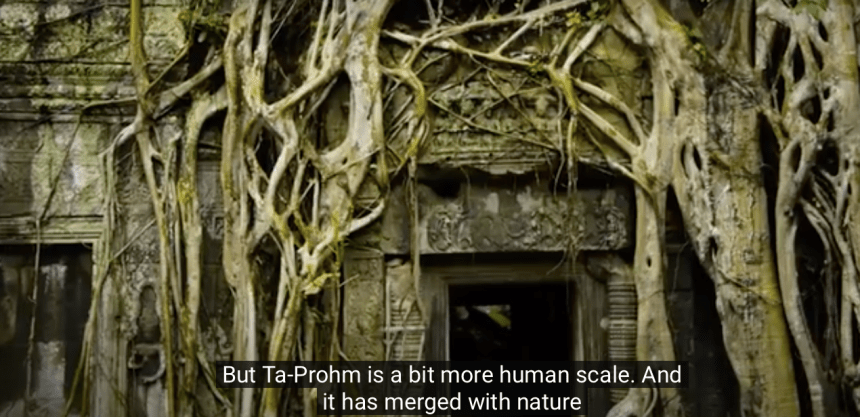
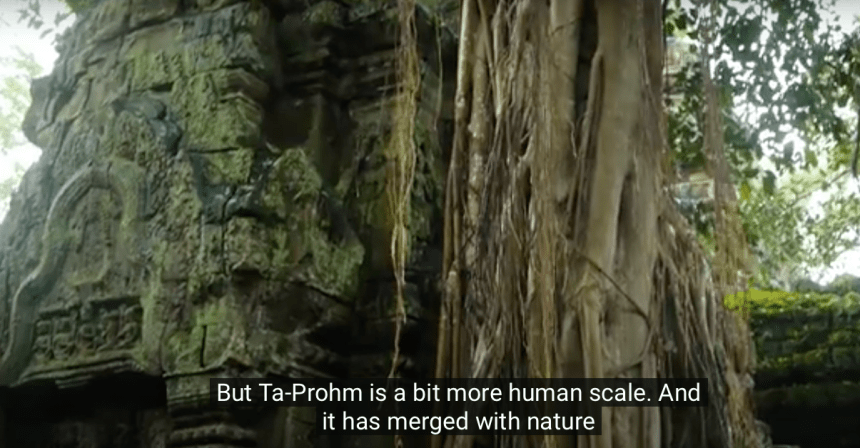
A writer has written that Ta Prohm appears strange and haunted but the charm of the place is that the roots of trees - fig, banyan and kapok - have spread over stones, probing walls and terraces apart. Their branches and leaves have intertwined with the building structures to form roofs and trunks of the trees have twisted amongst stone pillars.
一位作家写道,塔普伦看起来很奇怪而且闹鬼,但这个地方的魅力在于树的根 - 无花果、榕树和木棉 - 已经蔓延到石头上,探查墙壁和梯田。它们的枝叶与建筑结构交织在一起,形成屋顶,树干在石柱间盘绕。
Sunday 5 August 2018 - During the day, we headed to Banteay Kdei Temple, also known as the ‘Citacel of Monks Cells’.
2018 年 8 月 5 日星期日 - 白天,我们前往 Banteay Kdei 寺,也被称为“僧侣牢房”。
Banteay Kdei temple ប្រាសាទបន្ទាយក្តី Citadel of Monks’ cells - https://youtu.be/GpwUG3CVzDA
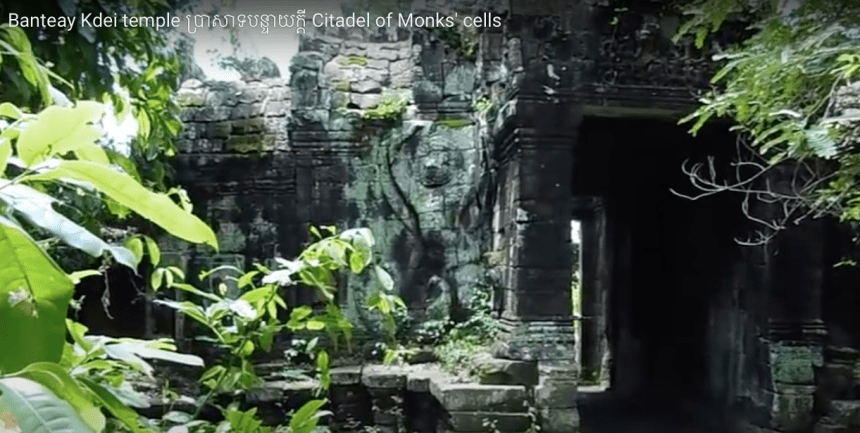
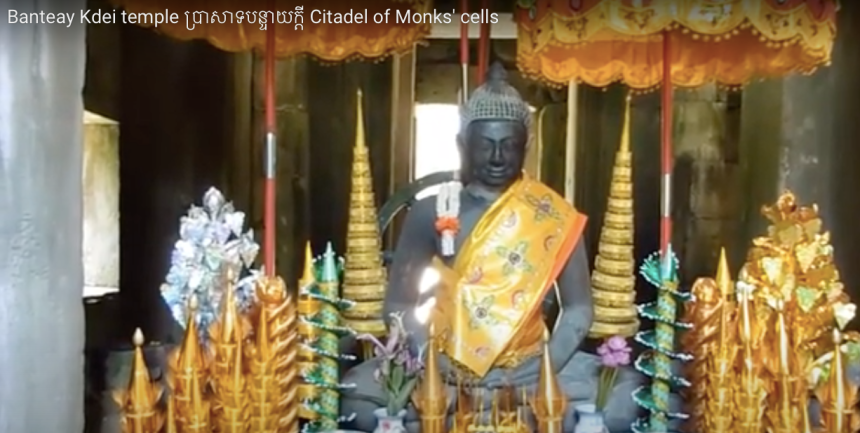
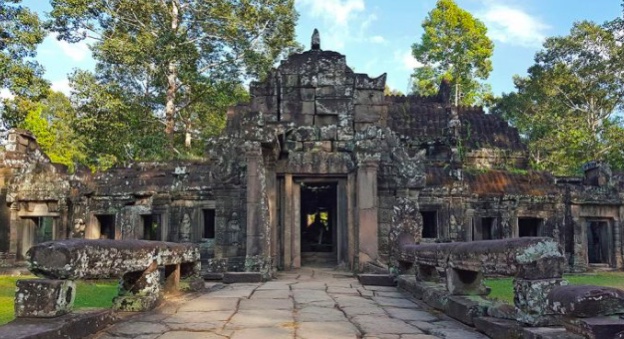
Banteay Kdei is a peaceful and quiet maze of chambers which fall into ruins, constructed in the 12th century. Its name means “Citadel of Chambers”, which is apt as it is overgrown with trees and scrubs between the walls of the chambers. It still serves as a Buddhist temple for those who want to pray away from the hustle and bustle of the Angkor tourism area.
Banteay Kdei 是一座宁静祥和的迷宫,建于 12 世纪,已沦为废墟。它的名字意为“密室城堡”,因为它长满了树木和密室墙壁之间的灌木丛,这很贴切。对于那些想要远离吴哥旅游区喧嚣的人来说,它仍然是一座佛教寺庙。
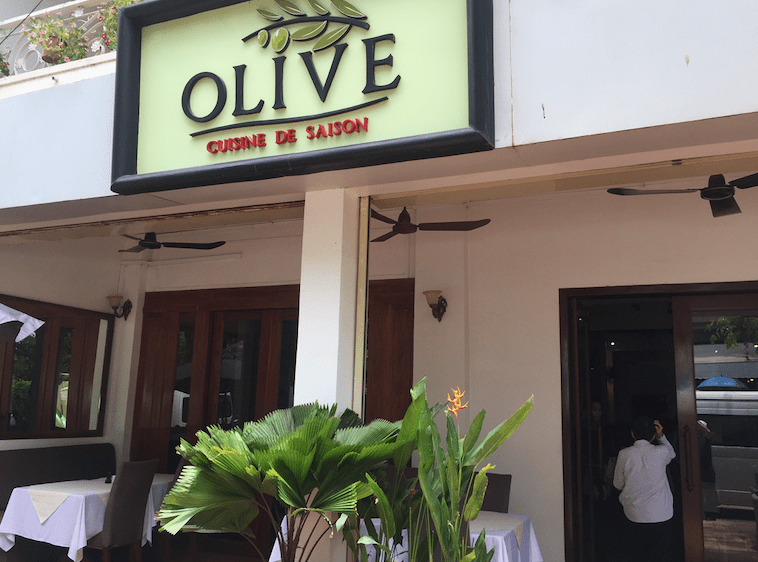
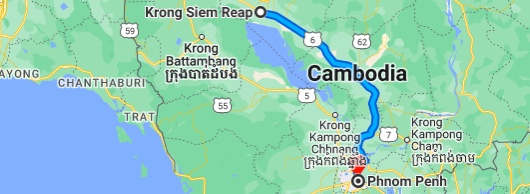
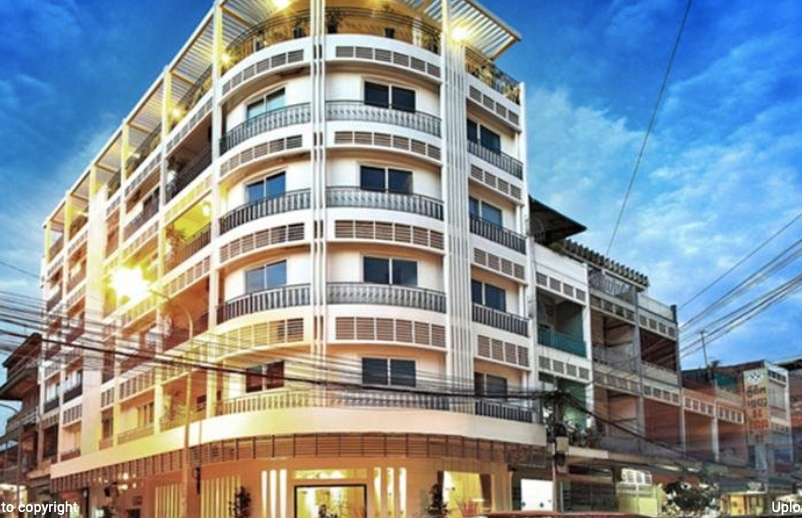
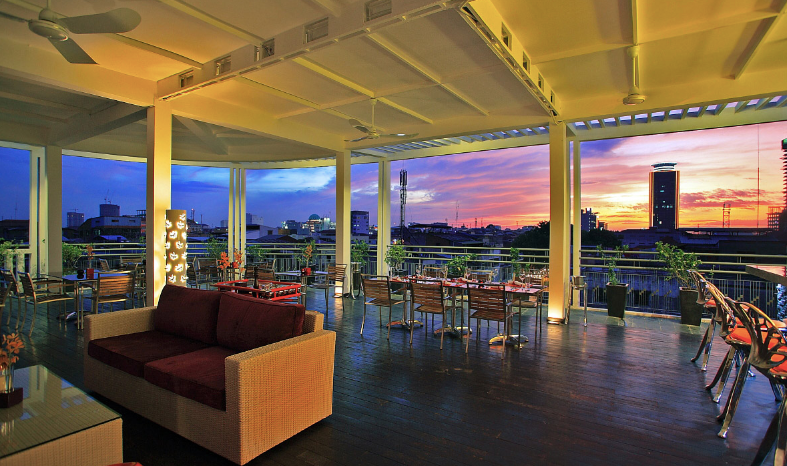
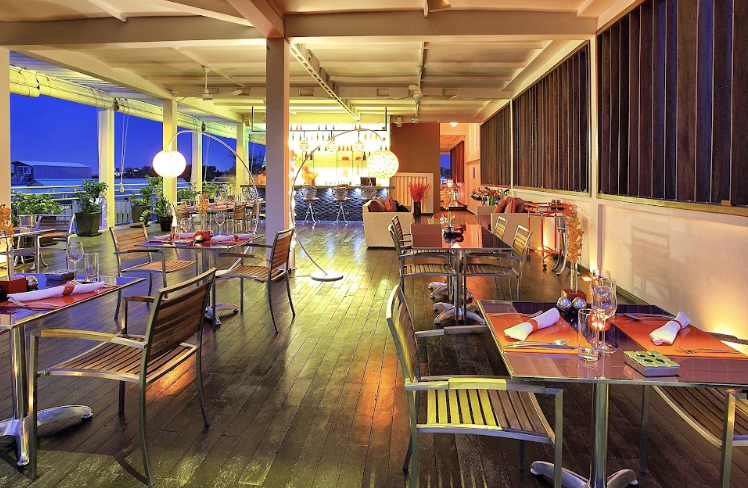
At 1810 hours the same day (Sunday 5th August), we boarded a Cambodia Angkor Air 116 plane to Phnom Penh arriving there at 1900 hours. We stayed at the La Maison d’Ambre Hotel at 123 Street 19, Phnom Penh, for 2 nights. https://youtu.be/XJInUHSv6oc
同一天(8 月 5 日星期日)1810 时,我们登上柬埔寨吴哥航空 116 飞机飞往金边,于 1900 时抵达。我们在金边 123 Street 19 的 La Maison d'Ambre 酒店住了 2 晚。
Monday 6 August 2018 - We visited the Genocide Museum and the Killing Fields.
The Tuol Sleng Genocide Museum or simply Tuol Sleng is a museum chronicling the Cambodian genocide. Located in Phnom Penh, the site is a former secondary school which was used as Security Prison 21 by the Khmer Rouge regime from 1975 until its fall in 1979. https://youtu.be/LZbRMFD5CC8
2018 年 8 月 6 日星期一 - 我们参观了种族灭绝博物馆和杀戮场。Tuol Sleng 种族灭绝博物馆或简称 Tuol Sleng 是一个记录柬埔寨种族灭绝的博物馆。该遗址位于金边,是一所前中学,从 1975 年到 1979 年被红色高棉政权用作安全监狱
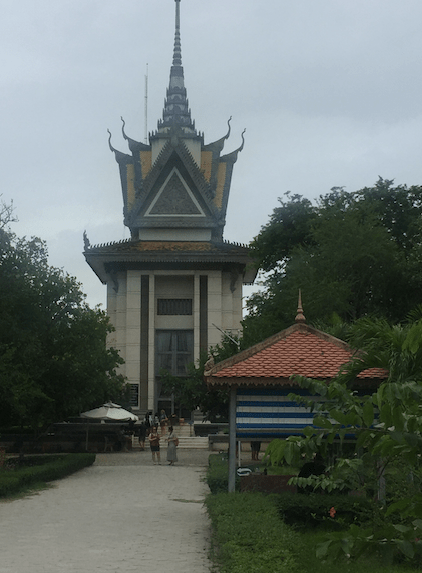
Lasting for four years (between 1975 and 1979), the Cambodian Genocide was an explosion of mass violence that saw between 1.5 and 3 million people killed at the hands of the Khmer Rouge, a communist political group. The Khmer Rouge had taken power in the country following the Cambodian Civil War. During their brutal four-year rule, the Khmer Rouge was responsible for the deaths of nearly a quarter of Cambodians.
持续四年(1975 年至 1979 年)的柬埔寨种族灭绝是一场大规模暴力的爆发,导致 1.5 至 300 万人死于共产主义政治团体红色高棉之手。柬埔寨内战后,红色高棉在该国掌权。在他们残酷的四年统治期间,红色高棉造成了近四分之一柬埔寨人的死亡。
The Cambodian Genocide was the result of a social engineering project by the Khmer Rouge, attempting to create a classless agrarian society. The regime would ultimately collapse when the neighboring Vietnam invaded, establishing an occupation that would last more than a decade.
柬埔寨种族灭绝是红色高棉社会工程项目的结果,试图创建一个无阶级的农业社会。当邻国越南入侵时,该政权最终会崩溃,建立一个持续十多年的占领。
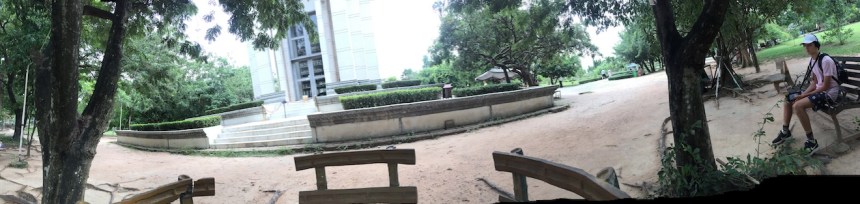
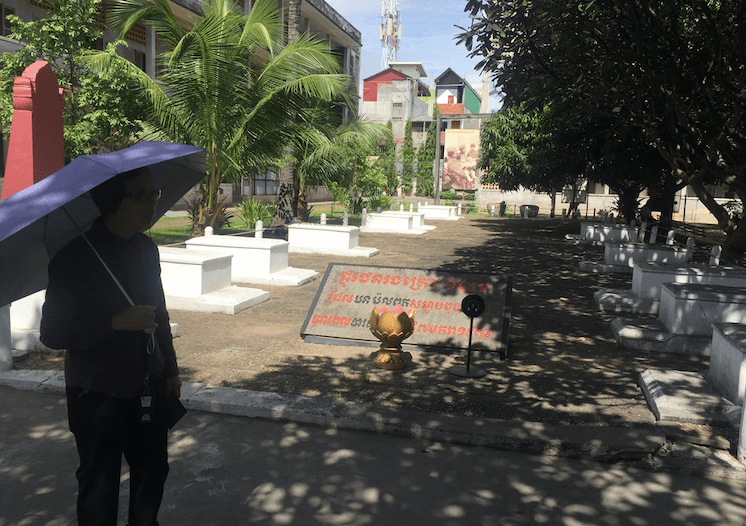
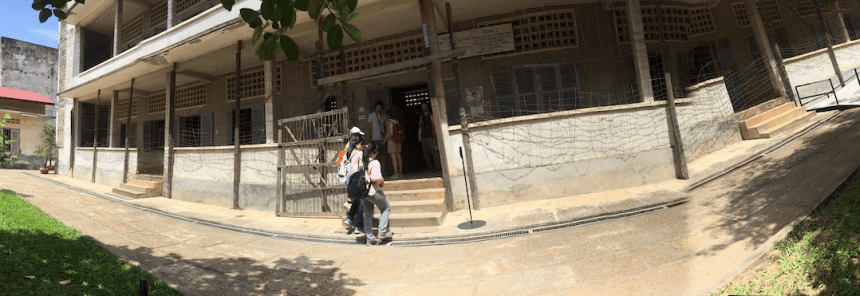
The Killing Fields of Cambodia https://youtu.be/U7XBH0pPecE
The Khmer Rouge Rice Fields - The Story of Rape Victim Tang Kim https://youtu.be/GzE31FhkefY
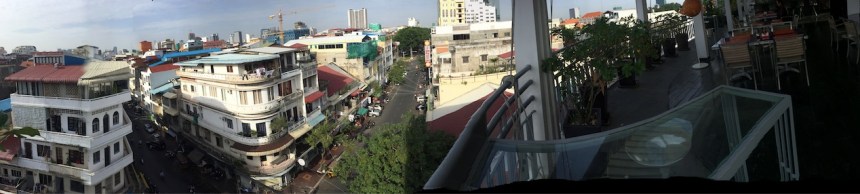
Tuesday 7 August 2018 - Early at 1000 hours we taxied to the airport for home. Goodbye, Cambodia.
 English