
TOUR OF JAPAN 日本之旅 DAYS 7 – 9
Read also: Tour of Japan - first three days - 30th March to 1st April 2018. https://www.u-write-read.com/2022/01/13/tour-of-japan-日本之旅/. 另请阅读:日本之旅 - 前三天 - 2018 年 3 月 30 日至 4 月 1 日。
Tour of Japan 2 - Days 4 to 6 - 2nd April to 4th April 2018. https://www.u-write-read.com/2022/01/18/tour-of-japan-日本之旅-days-4-6/. 日本之旅 2 - 第 4 至 6 天 - 2018 年 4 月 2 日至 4 月 4 日。
Day 7 Thursday, 5th April 2018 in Kyoto, Japan.
第 7 天,星期四,2018 年 4 月 5 日,日本京都。
7:00 am We left our large suitcases outside our hotel rooms for the porters to collect and forwarded to our next destination, Hiroshima, where we would be by noon of 8th April 2018.
早上 7:00 我们将大手提箱留在酒店房间外,让搬运工收集并转发到我们的下一个目的地广岛,我们将于 2018 年 4 月 8 日中午到达那里。
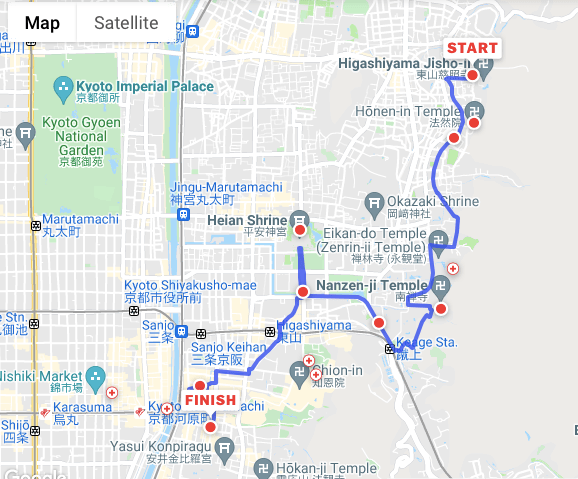
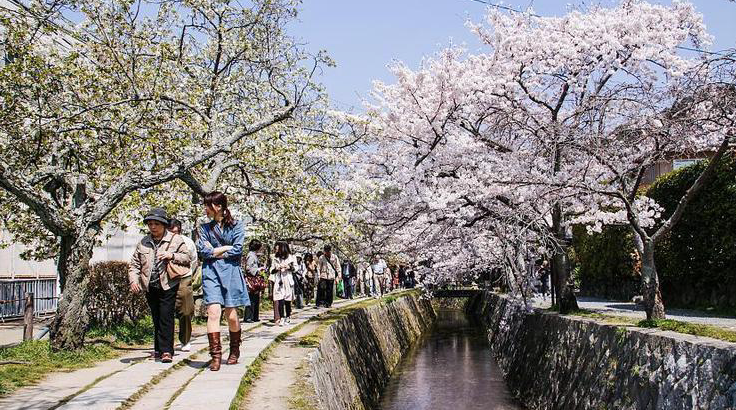
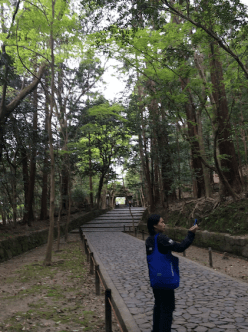
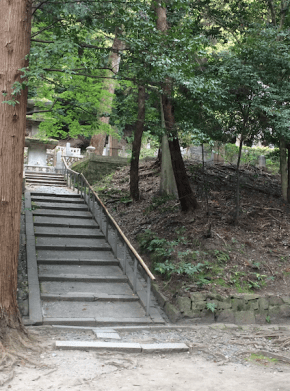
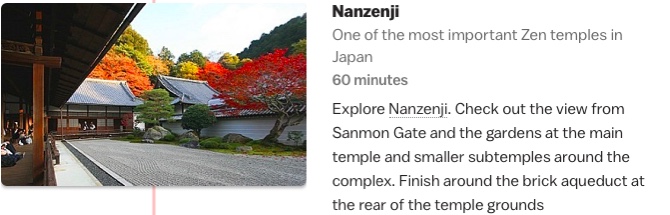
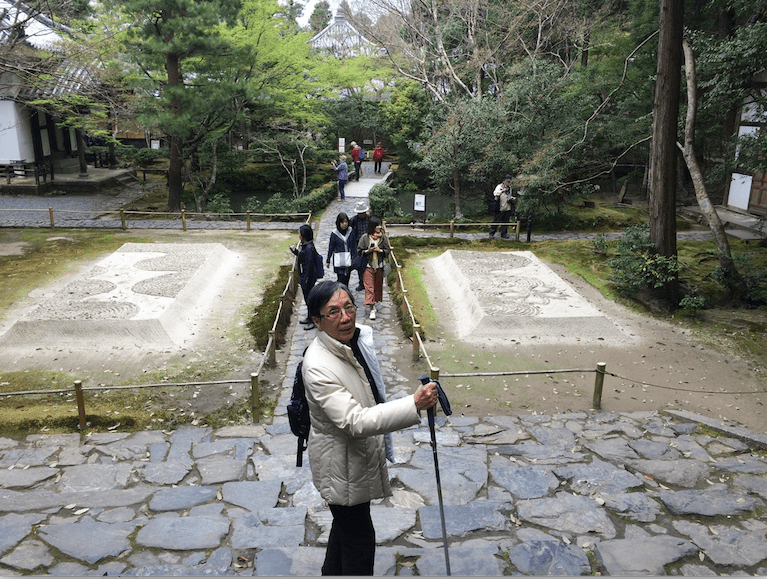
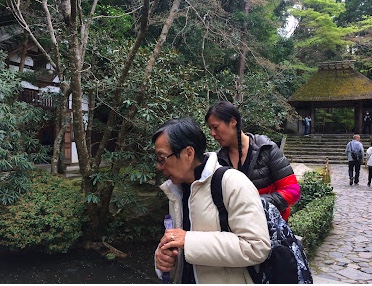
In the morning we took a stroll along The Philosopher’s Path of Kyoto, a pleasant stone path lined with more than five hundred cherry trees of varying colours ranging from pure white, pink, through red. We meandered through the northern part of Kyoto’s Higashiyama district and also visited a Zen Garden.
早上,我们沿着京都哲学之道漫步,这是一条宜人的石板路,两旁种满了五百多棵樱花树,颜色从纯白色、粉红色到红色不一而足。我们蜿蜒穿过京都东山区的北部,还参观了禅园。
The Philosopher’s Walk is a pedestrian path that follows a cherry-tree-lined canal in Kyoto, Japan between Ginkaku-ji and Nanzen-ji. It was first opened in 1890 and extended again in 1912. The path follows the course of a shallow irrigation channel bringing water from the Lake Biwa Canal.
哲学之道是一条在日本京都银阁寺和南禅寺之间沿着樱花树成荫的运河的步行道。它于 1890 年首次开放,并于 1912 年再次扩建。这条小径沿着一条从琵琶湖运河引水的浅灌溉渠走。
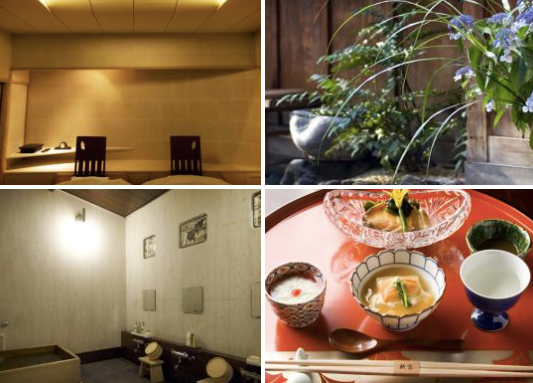
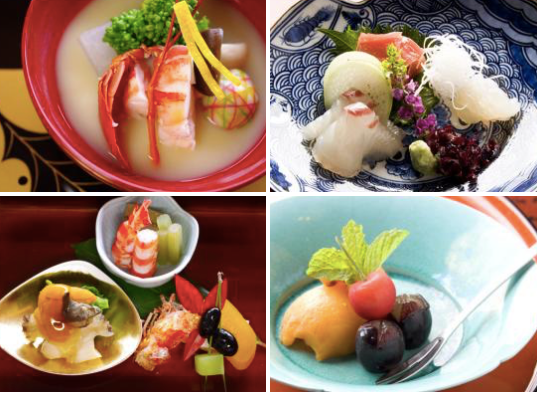
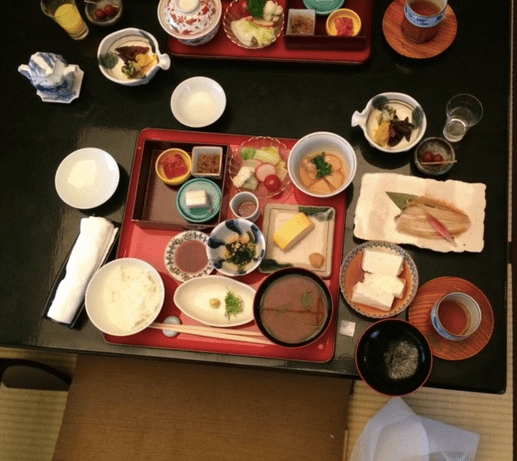
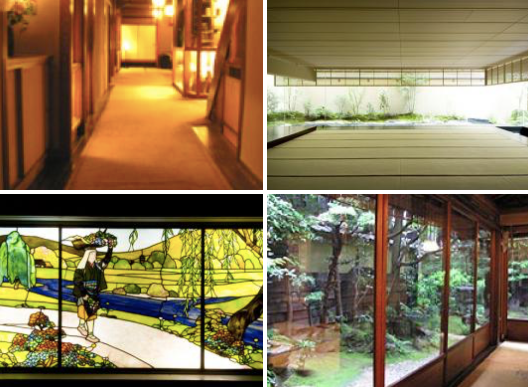
In the afternoon, we met a monk who gave us a talk about the Japanese philosophy, religion and the way of life. Later that same afternoon we checked in for one night at one of the most famous traditional Japanese Ryokans (Inns), Hiiragiya Ryokan, and enjoyed the experience of traditional Japanese hospitality. The rooms we lived in were individually and exquisitely decorated. At 7:00 pm we had a traditional Kaiseki gourmet dinner prepared by expert Japanese chefs and served in out own private room.
下午,我们遇到了一位僧人,他给我们讲了日本的哲学、宗教和生活方式。当天下午晚些时候,我们在最著名的日本传统日式旅馆之一柊家旅馆入住了一晚,并享受了日本传统热情好客的体验。我们住的房间装饰独特而精美。晚上7:00,我们享用了由日本专业厨师准备的传统怀石料理晚餐,并在自己的私人房间内享用。
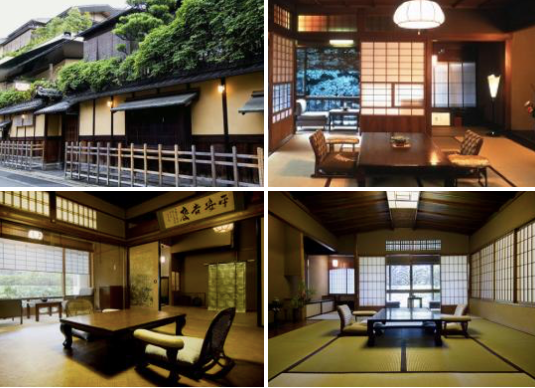
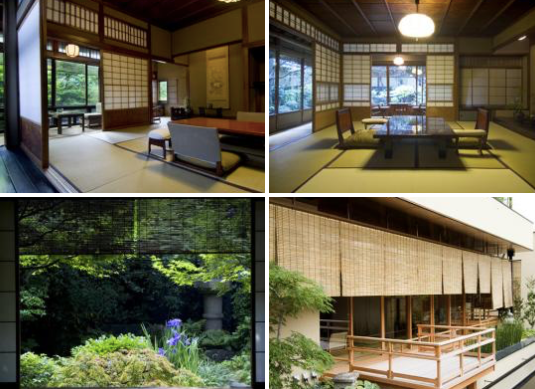
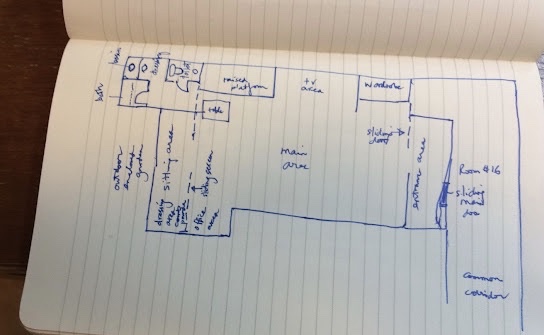
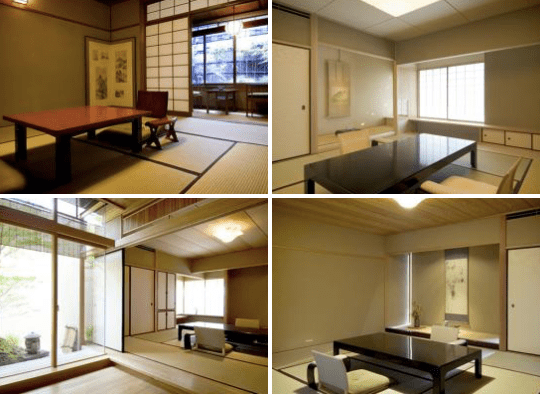
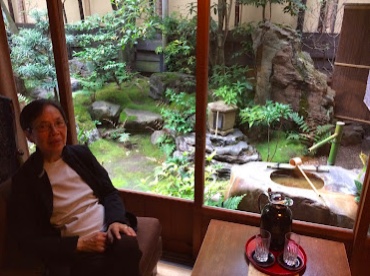
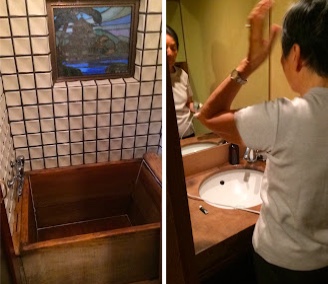
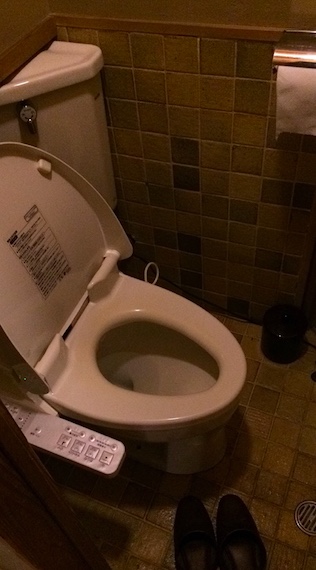
The room at Hiiragiya Ryokan where we stayed was unique in the sense that the furniture and fittings are tiny and especially tailored for traditional Japanese style living. There were no beds, we slept in mattresses hidden in wall cupboards during the day time. The lookout from the small lounge where we sat had windows to a traditional Japanese garden. The toilet was fitted with built-in bidet and warmer-seat.
我们住的 Hiiragiya Ryokan 的房间是独一无二的,因为家具和配件很小,特别适合传统的日式生活。没有床,白天我们睡在隐藏在壁橱里的床垫上。我们坐的小休息室的瞭望台有窗户,可以看到传统的日本花园。厕所配有内置坐浴盆和暖座。
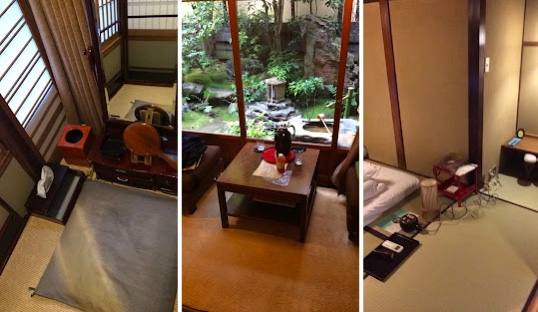
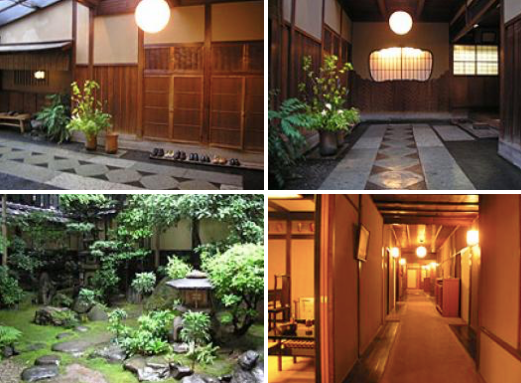
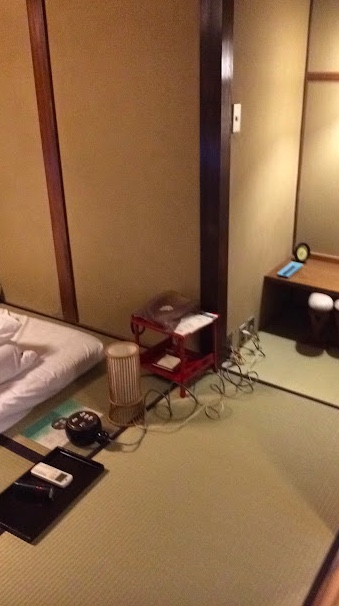
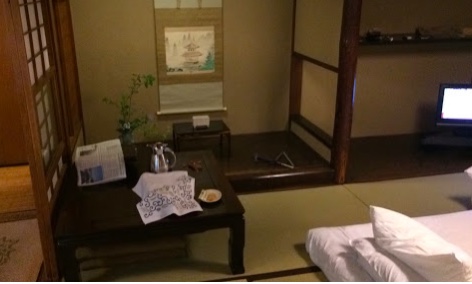
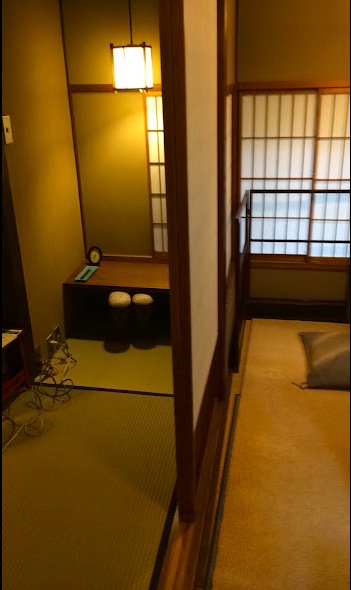
Take a look at the furniture and fittings. The entire setting of the room is meant for people in a sitting-on-the-floor-mat position, with the beds on the floor, lifted out from cupboards on the wall, timber screens diving small areas for toilet, dressing table, and the TV placed on a platform that is 6 inches from the floor.
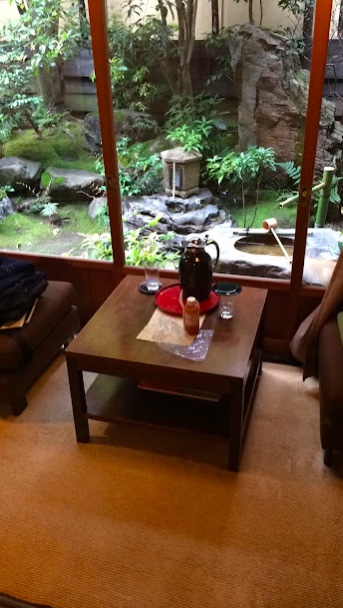
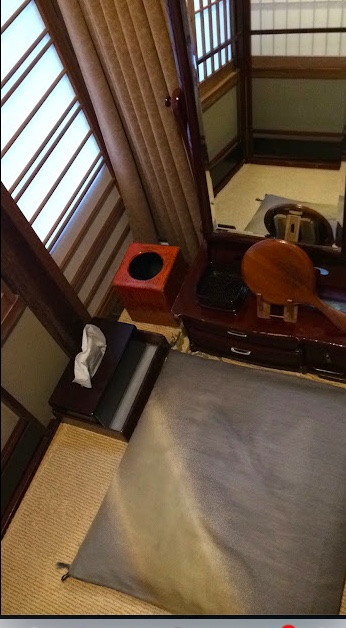
看看家具和配件。房间的整个设置是为坐在地板垫上的人设计的,床铺在地板上,从墙上的橱柜中抬起来,木屏风潜入了厕所、梳妆台和电视放置在距离地面 6 英寸的平台上。
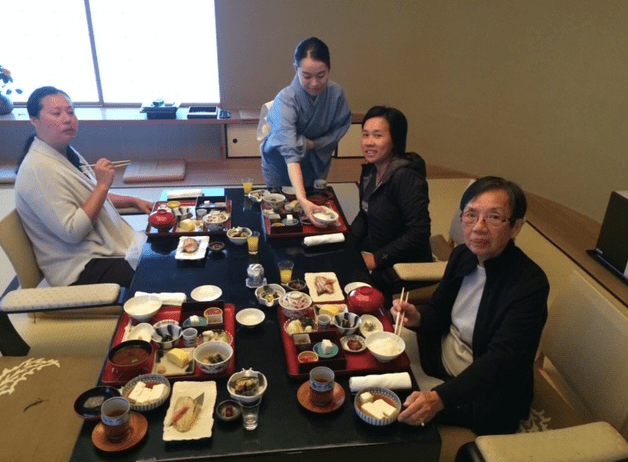
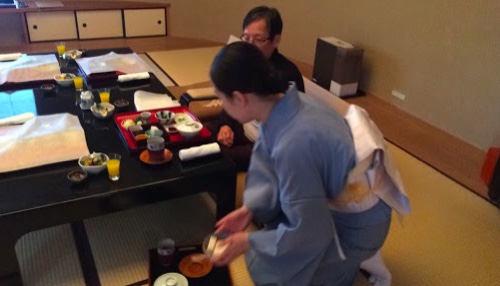
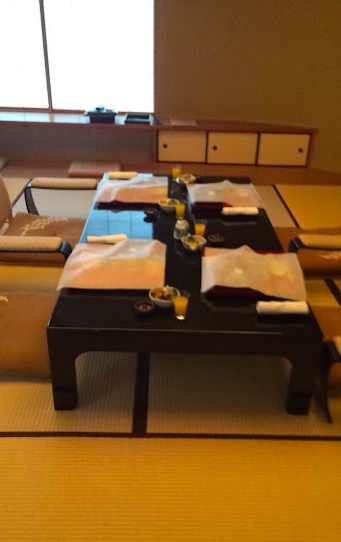
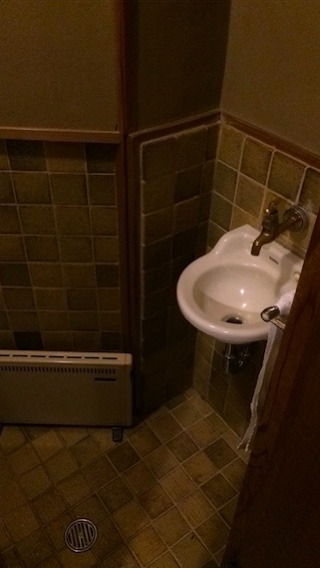
Take a look at the tiny wash basin and the toilet bowl below. Can you see how different these are from our ordinary household items?
看看下面的小洗手盆和马桶。你能看出这些和我们普通的家居用品有什么不同吗?
The bed is just a thick mattress placed on the floor. Note that the Television is placed on a platform just six inches from the floor.
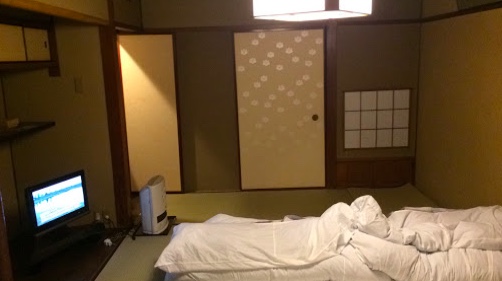
床只是放在地板上的厚床垫。请注意,电视放置在距离地板仅 6 英寸的平台上。
Day 8 - Friday 6th April 2018: Kyoto - Kintaikyo - Hiroshima.
第 8 天 - 2018 年 4 月 6 日星期五:京都 - 金台京 - 广岛
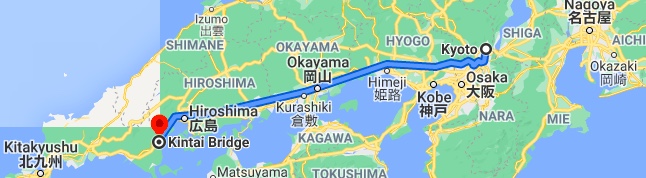
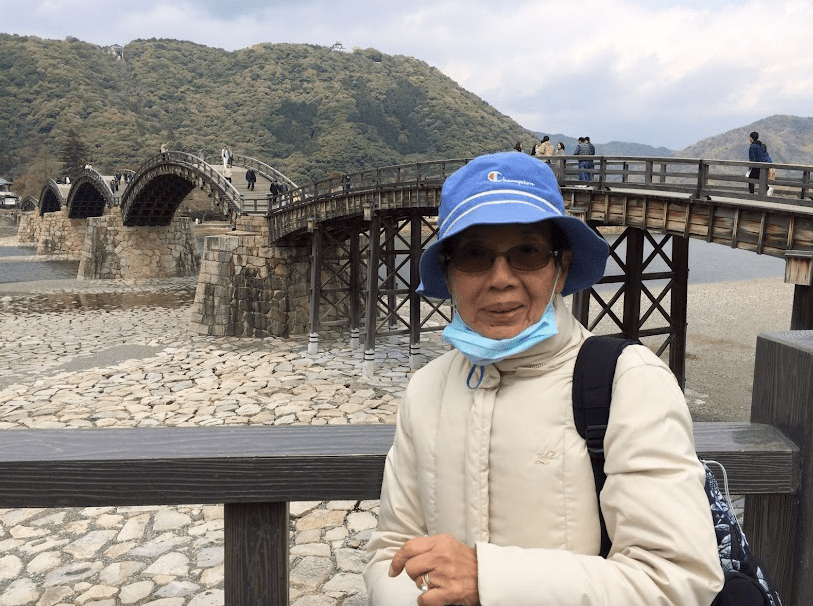
In the morning at 10:00 am we boarded a bullet train from Kyoto to Kintaikyo, 408 kilometres away. The bullet train took 2 hours 20 minutes as opposed to an ordinary train taking 5 hours. At Kintaikyo we visited the Kintaikyo Bridge that is still famously immortalised in Ukiyoe paintings.
上午10:00,我们从京都搭乘子弹头列车前往408公里外的锦带峡。子弹头列车耗时 2 小时 20 分钟,而普通火车耗时 5 小时。在锦带桥,我们参观了仍然在浮世绘中不朽的锦带桥。然后我们乘坐缆车到岩国城的山顶,鸟瞰下面的山谷。那天晚上晚些时候,我们乘出租车前往广岛,并在接下来的两晚入住喜来登大酒店。
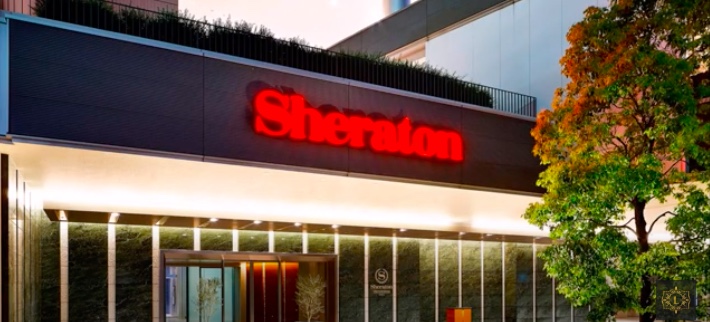
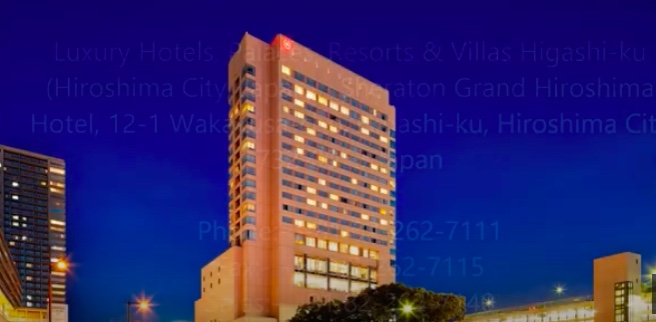
We then went on a gondola to the mountaintop of Iwakuni Castle and took a bird-eye view of the valleys below. We travelled by taxi to Hiroshima later that evening and checked into the Sheraton Grand Hotel for the next two nights.
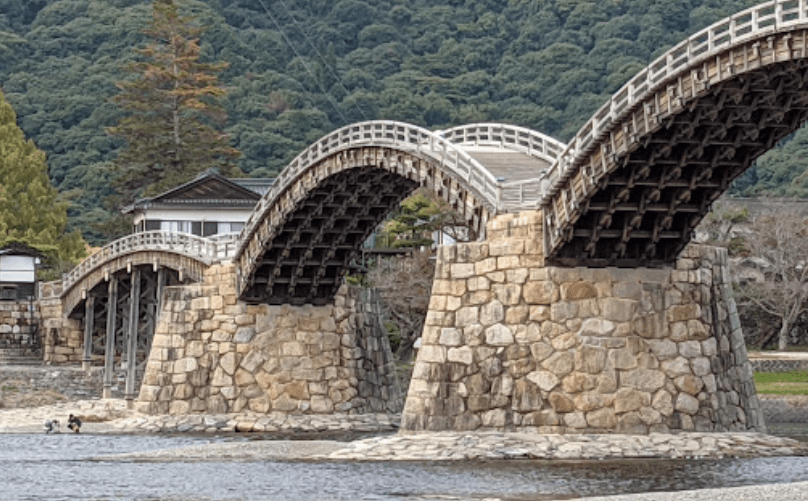
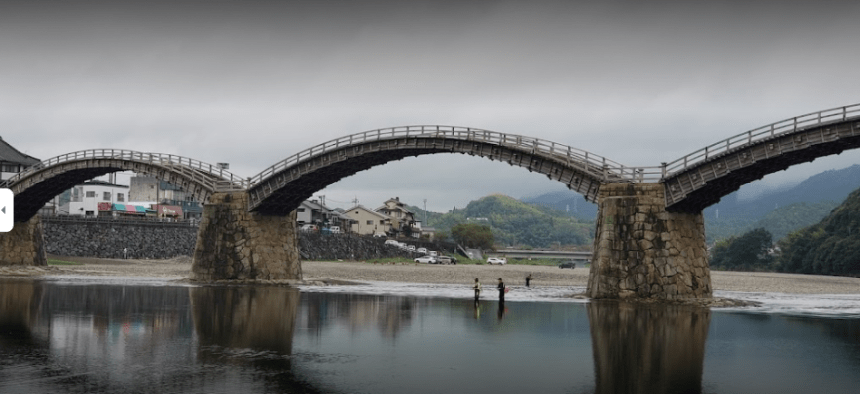
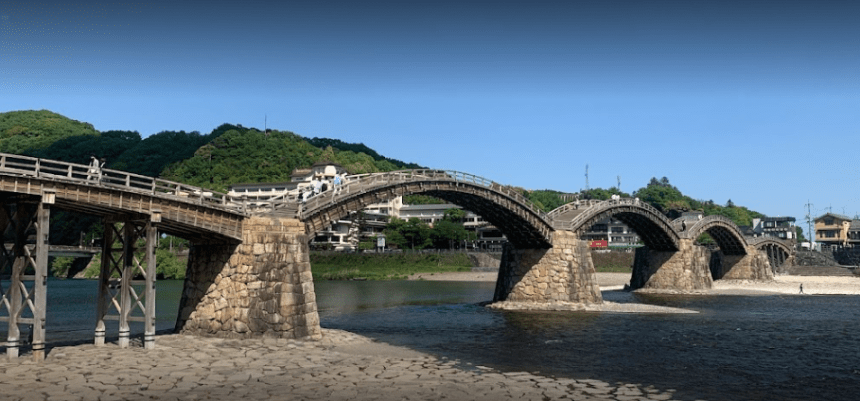
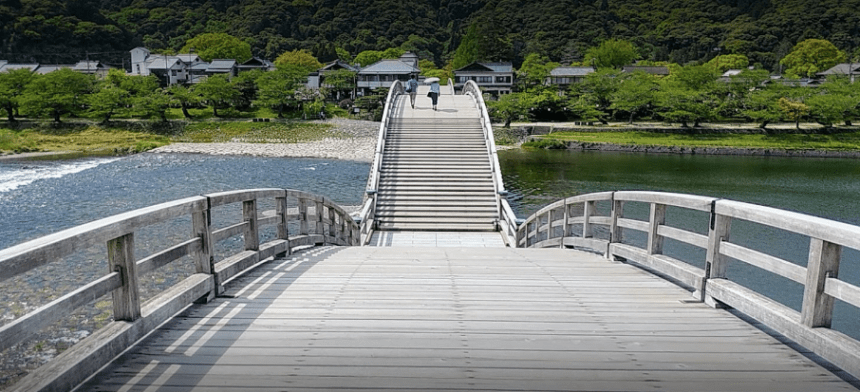
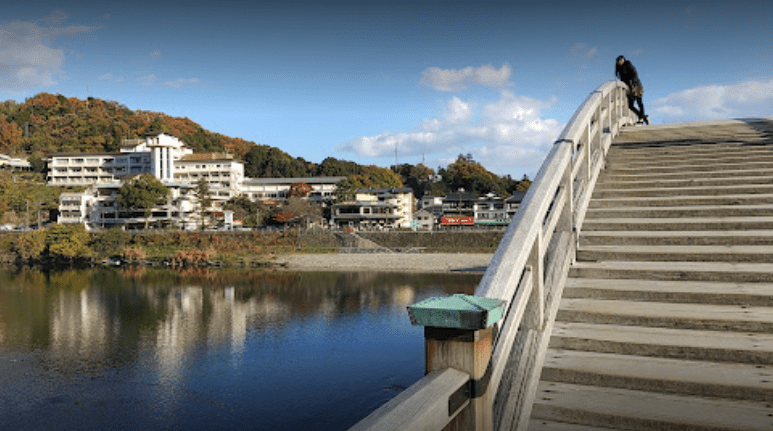
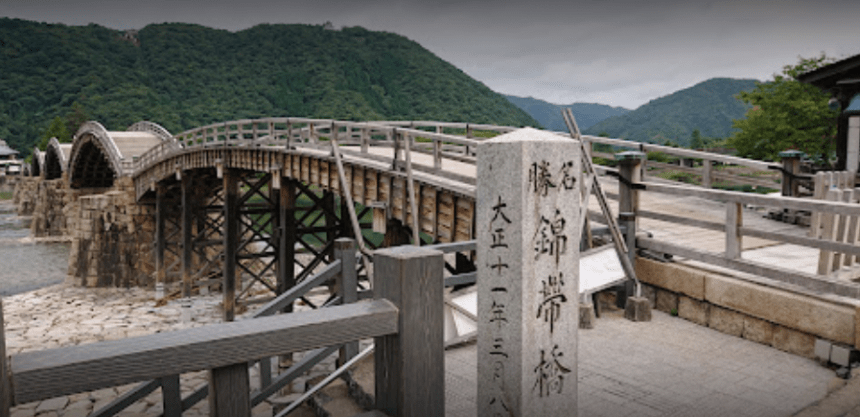
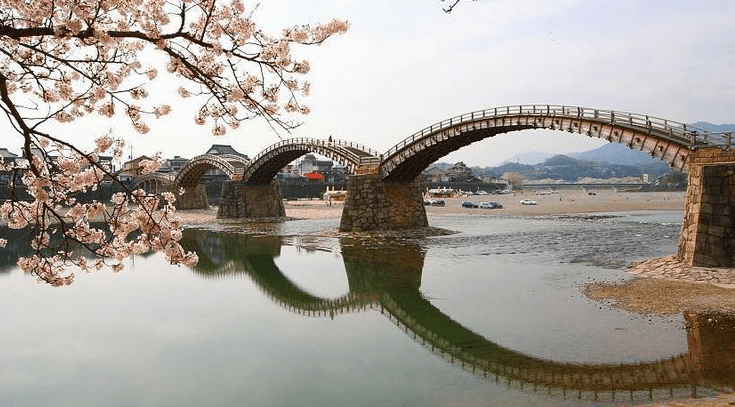
The Kintaikyo Bridge (錦帯橋, Kintaikyō) has been Iwakuni’s most distinguished landmark and a subject of admiration for hundreds of years. The elegant, wooden bridge makes five bold arches onto massive stone pillars as it crosses over the Nishiki River.
Plans for the Kintaikyo were first drawn up when strong currents had once again destroyed a bridge crossing the Nishiki River. A more durable bridge was commissioned by Kikkawa Hiroyoshi, the third feudal lord of Iwakuni, whose statue stands at the entrance to nearby Kikko Park. After the bridge’s completion in 1673, it kept standing until 1950, when Iwakuni was struck by a violent typhoon.
锦带桥, 数百年来一直是岩国最杰出的地标和令人钦佩的主题。这座优雅的木桥横跨锦河,在巨大的石柱上形成了五个大胆的拱门。
当强流再次摧毁了横跨锦川的一座桥时,金带桥的计划就开始制定了。岩国第三代藩主 Kikkawa Hiroyoshi 委托建造了一座更耐用的桥梁,他的雕像矗立在附近的 Kikko 公园入口处。这座桥于 1673 年建成后,一直屹立到 1950 年岩国被强台风袭击。
With the country still exhausted from the war, the maintenance of cultural properties suffered neglect. For this reason, the bridge that had stood for almost 300 years, collapsed as desperate townspeople looked on and futilely tried to divert the ferocious current. Shortly thereafter, determined residents began constructing a precise reconstruction of their cherished bridge. It was completed in 1953.
由于国家仍然因战争而疲惫不堪,文化财产的维护受到忽视。正因如此,这座屹立了近三百年的桥,在绝望的市民们眼睁睁地看着,徒劳地试图疏导汹涌的水流时,倒塌了。此后不久,坚定的居民开始对他们珍爱的桥梁进行精确的重建。它于1953年完成。2000 年代初期,锦带峡进行了重建后的首次整修。翻新工程规模庞大,耗资超过 20 亿日元。人行天桥很少见,游客必须付费才能穿过。
In the early 2000s, Kintaikyo underwent its first renovations since its reconstruction. The renovation works were extensive and cost over two billion yen. Rare for a pedestrian bridge, visitors must pay a fee to walk across.
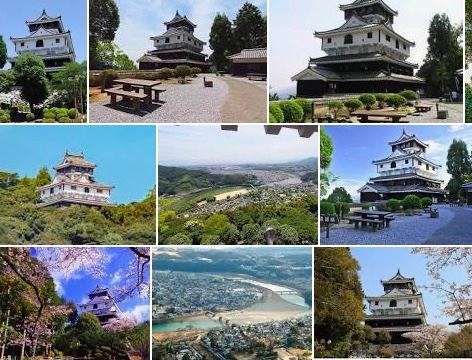
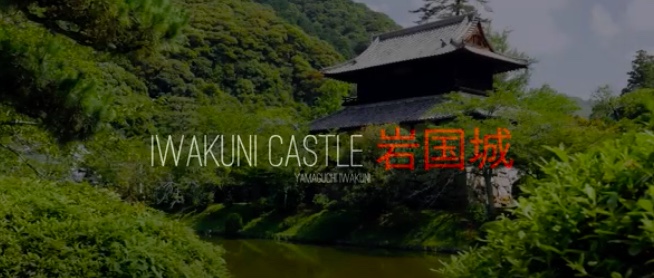
Iwakuni Castle - https://youtu.be/yYpbQAaniQk. Yamaguchi Iwakuni Castle - 岩国城 - 4K Ultra HD : Believe it or not but this castle was actually destroyed 7 years after its completion in 1608! Indeed it was on an order from the Tokugawa Shogunate that enforced a ‘one-castle-per- province’ law (一国一城) that meant Iwakuni Castle had to be destroyed. It was only in 1962 that the actual castle was rebuilt and serves today as a small museum and tourist attraction.
岩国城 - https://youtu.be/yYpbQAaniQk。山口岩国城 : 信不信由你,这座城堡在 1608 年建成 7 年后实际上被摧毁了!事实上,正是根据德川幕府的命令,实施了“一国一城”法,这意味着必须摧毁岩国城。直到 1962 年才重建了真正的城堡,如今已成为小型博物馆和旅游景点。
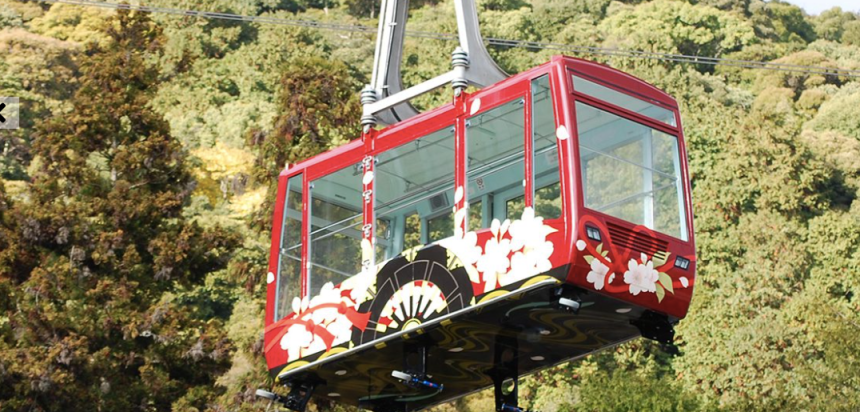
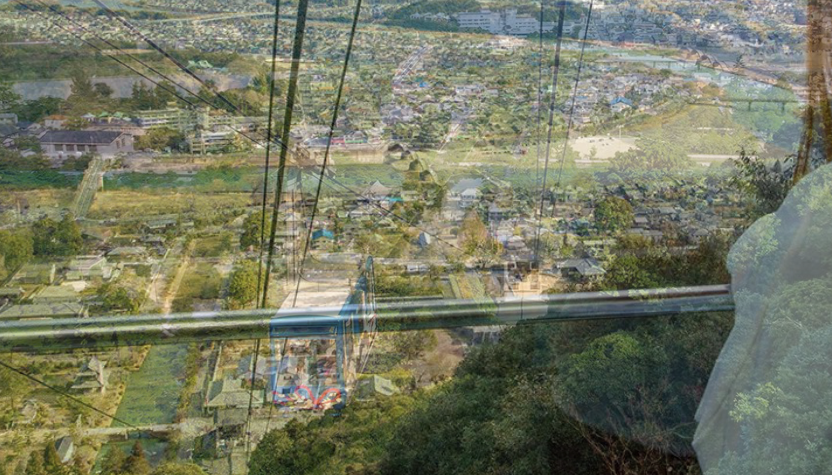
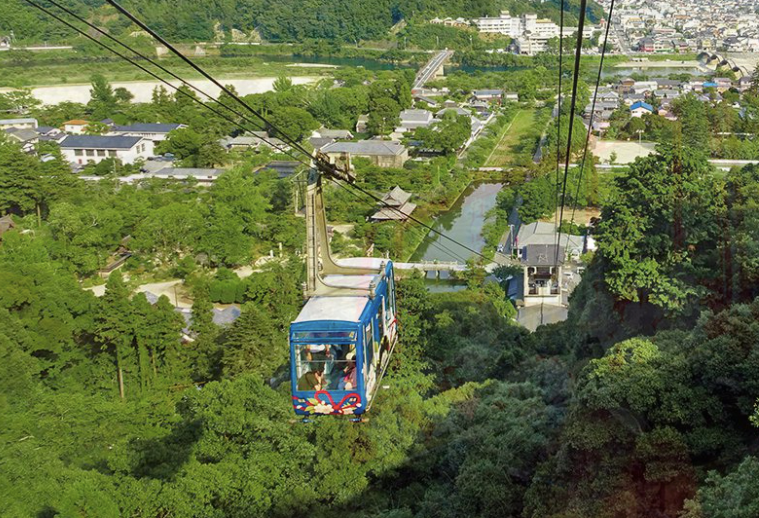
The Iwakuni Ropeway Gondola where we went up the top of the mountain to look back at the township of Iwakuni.
我们登上山顶回望岩国乡的岩国索道缆车。
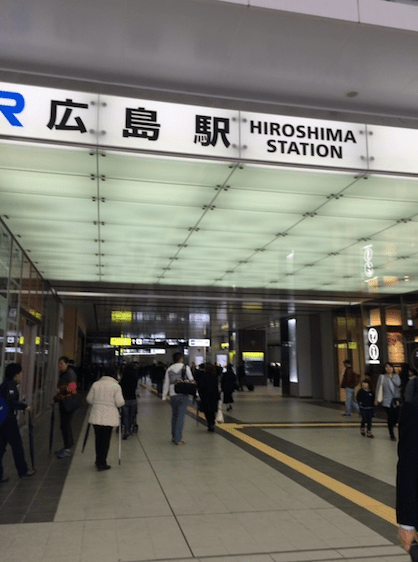
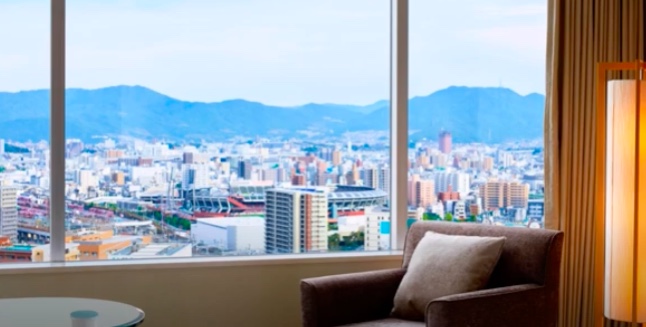
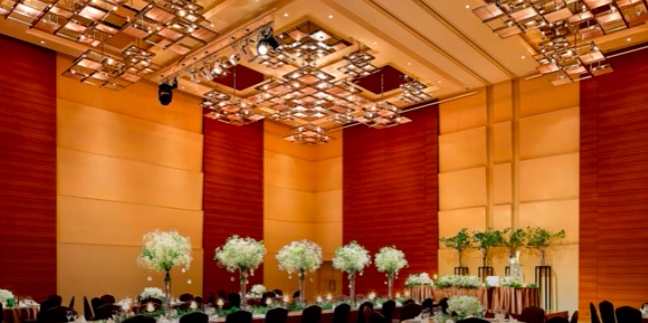
Finally, we arrived at our hotel in Hiroshima and we stayed there for two nights.
最后,我们到达了广岛的酒店,并在那里住了两晚。
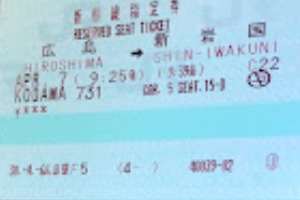
Day 9 - Saturday 7th April 2018: Hiroshima - Miyajima - Hiroshima.
第 9 天 - 2018 年 4 月 7 日星期六:广岛 - 宫岛 - 广岛。
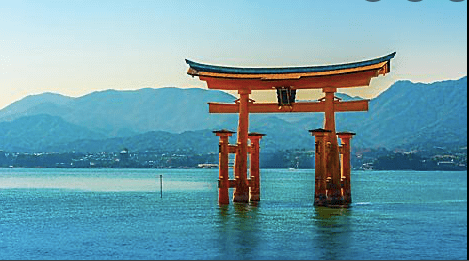
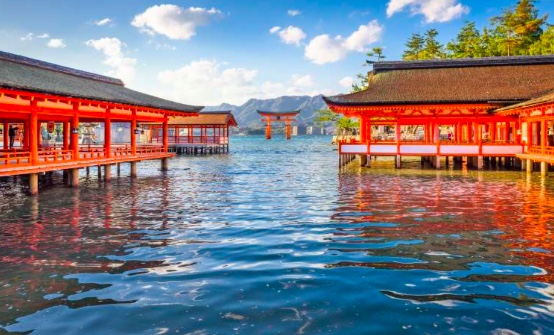
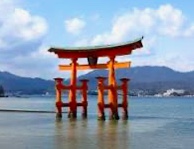
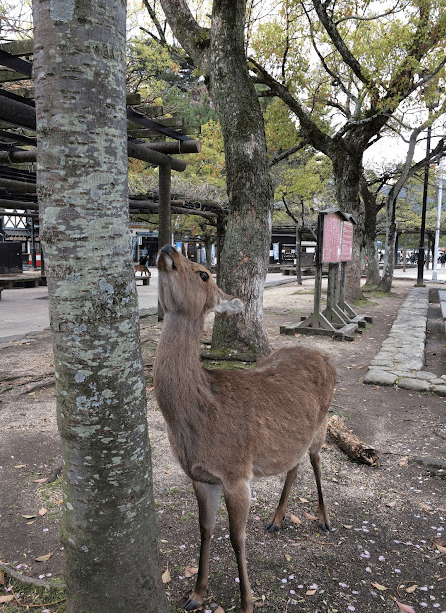
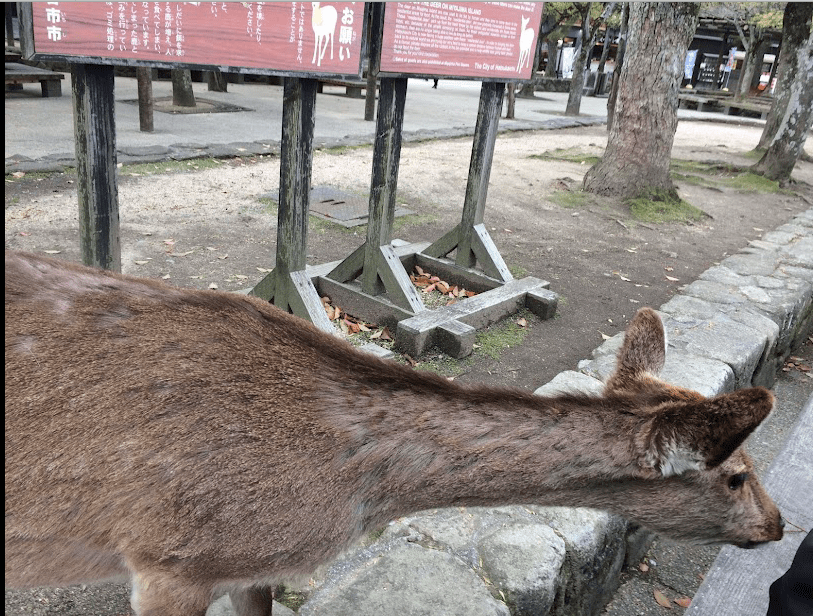
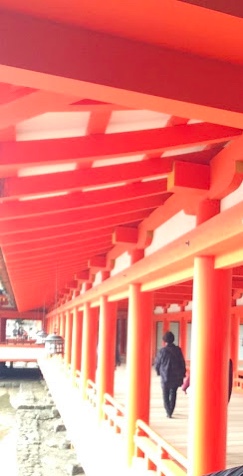
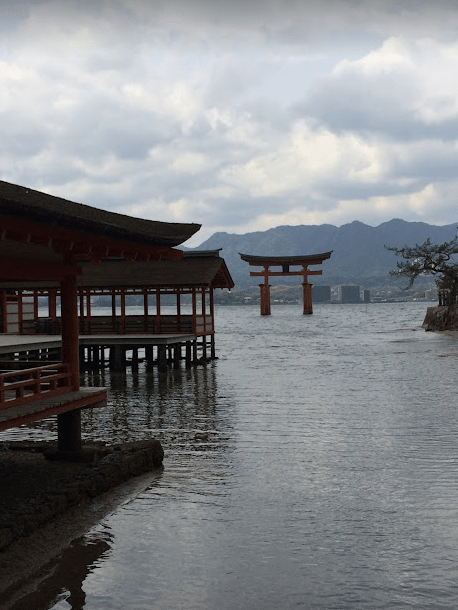
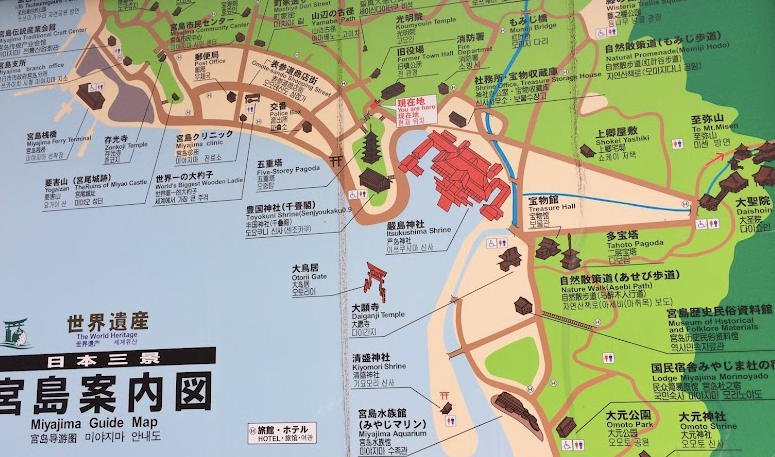
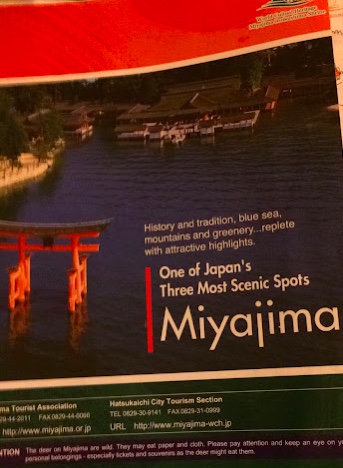
We checked into the Sheraton Grand Hiroshima Hotel late last evening. For Day # 9, we started the morning a little later than usual. After our buffet international breakfast, we visited the Miyajima Island in the Inland Sea and enjoyed the atmosphere around the sacred Goddess Miyajima Floating Shrine and also to the world famous Torii Gate.
昨晚晚些时候,我们入住了广岛喜来登大酒店。第 9 天,我们比平时晚一点开始早上。享用国际自助早餐后,我们参观了内海的宫岛,享受了神圣的宫岛浮宫周围的气氛,并参观了世界著名的鸟门。
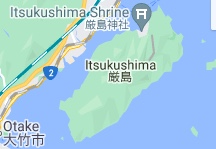
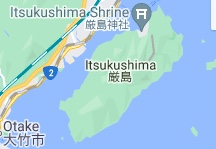
Miyajima, also known as Itsukushina, is a small island in Hiroshima Bay, western Japan. It is known for its forests and ancient temples. Just offshore, the giant, orange Great Torii Gate is partially submerged at high tide. It marks the entrance to the Itsukushima Shrine, which was first built in the 12th century. Nearby, the Museum of History and Folklore has cultural artifacts in a 19th-century merchant’s home.
宫岛,又称严品,是日本西部广岛湾的一个小岛。它以其森林和古老的寺庙而闻名。就在近海,巨大的橙色大鸟居在涨潮时部分被淹没。它标志着始建于 12 世纪的严岛神社的入口。附近的历史和民俗博物馆收藏了 19 世纪商人的家中的文物。
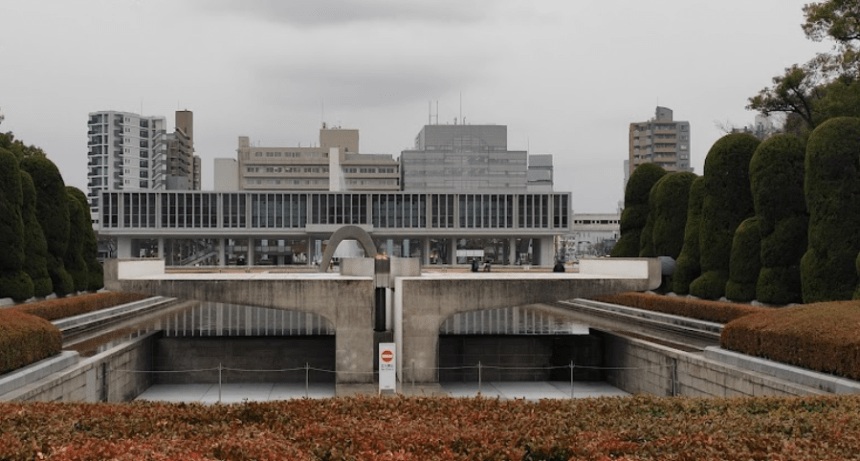
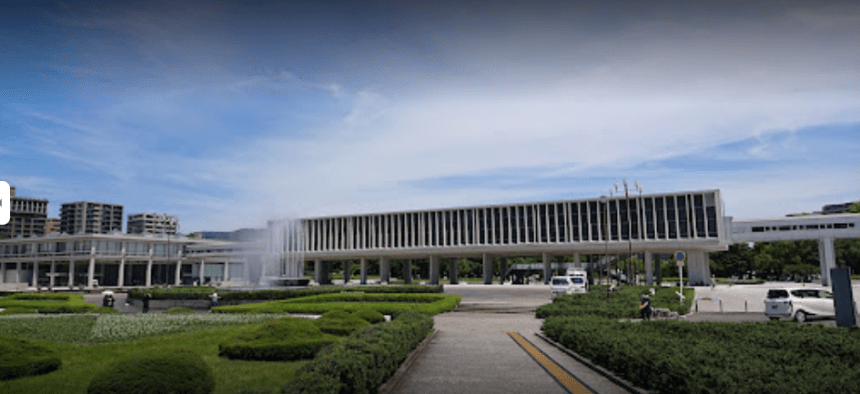
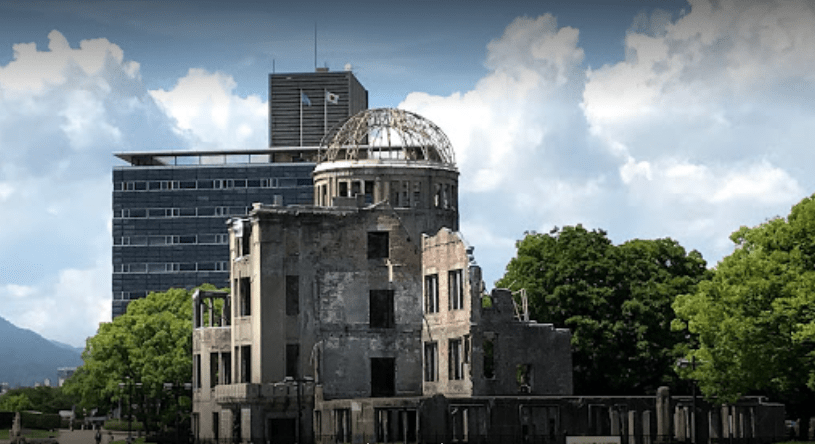
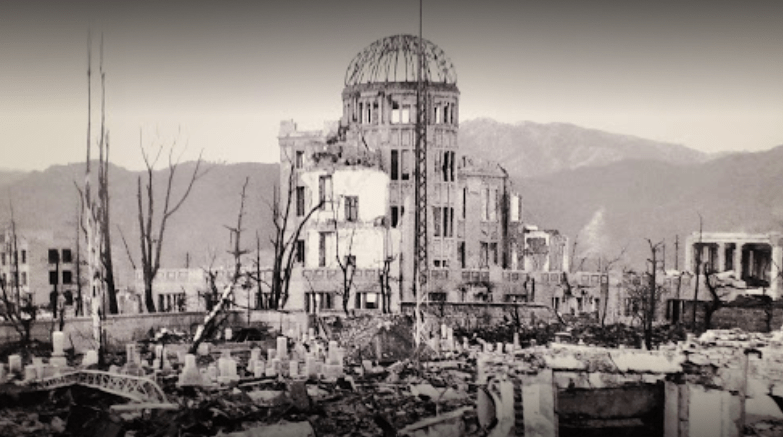
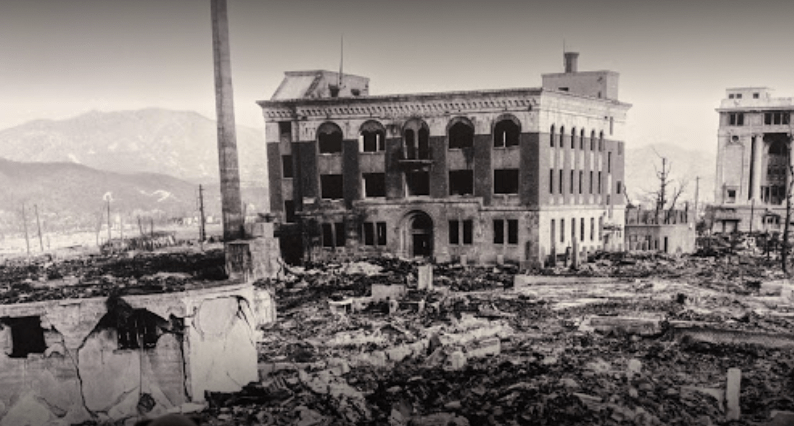
In the afternoon we returned to Hiroshima to see the Peace Memorial Park and we had a guided tour of the Hiroshima Peace Museum - a place where we remembered the atomic bomb that destroyed the entire Hiroshima City at the end of World War II.
Dinner was at the Hotel’s Club Lounge and Dining Area - An International Buffet dinner with wine served. Before retiring for the night, we packed an overnight bag for tomorrow’s trip and left our main luggage bags to the porter for delivery to Osaka by Day 11 - 9th April 2018.
下午我们回到广岛参观了和平纪念公园,并在导游的带领下参观了广岛和平博物馆——这里是我们纪念二战结束时摧毁整个广岛市的原子弹的地方。 晚餐在酒店的俱乐部酒廊和用餐区享用 - 国际自助晚餐,供应葡萄酒。临睡前,我们为明天的旅行打包了一个过夜包,并将主要行李包留给搬运工,以便在 2018 年 4 月 11 日至 9 日之前运送到大阪。
The Hiroshima Peace Memorial Museum is a museum located in Hiroshima Peace Memorial Park, in central Hiroshima, Japan, dedicated to documenting the atomic bombing of Hiroshima in World War II. The museum was established in August 1955 with the Hiroshima Peace Memorial Hall.
广岛和平纪念博物馆是位于日本广岛市中心广岛和平纪念公园内的博物馆,致力于记录二战期间广岛的原子弹爆炸。该博物馆于 1955 年 8 月与广岛和平纪念馆一起成立。
 English