
Tour of Japan 日本之旅 Days 4 - 6
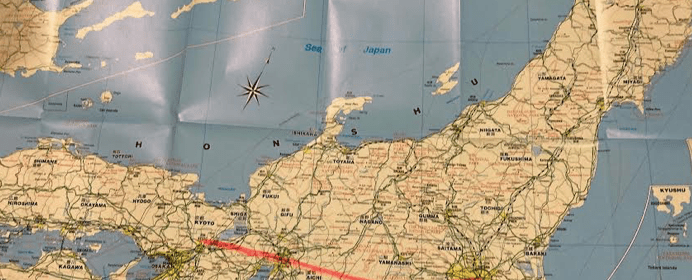

For the description of our initial three days in Japan, please visit: https://www.u-write-read.com/2022/01/13/tour-of-japan-日本之旅/
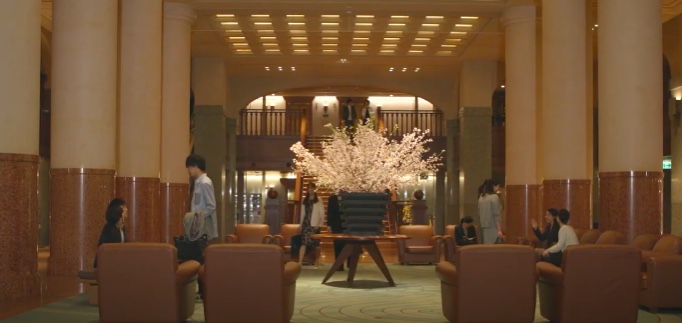
Day 4 - Monday 2nd April 2018. 7:00am Leave our large suitcases outside our Imperial Hotel, Tokyo, rooms for collection and to be forwarded to our hotel in Kyoto by overnight delivery service.
8:50 am After breakfast we check out at hotel lobby and board a Japan Rail (JR) ride to Ropeway (Gondola) up Mount Komagatake.
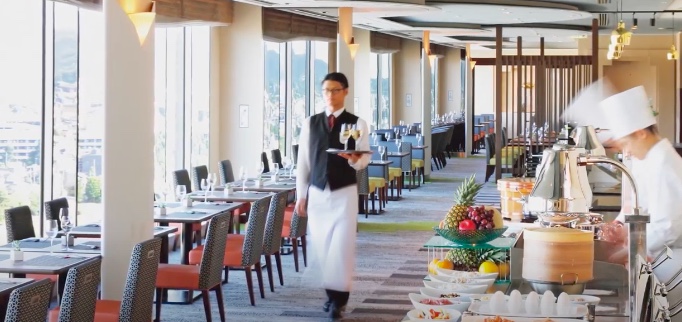
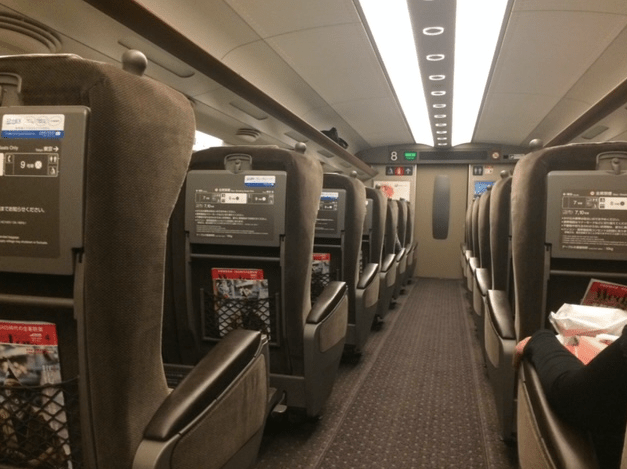
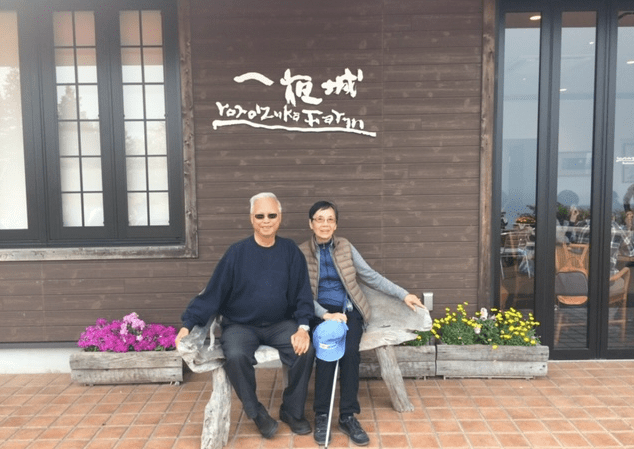
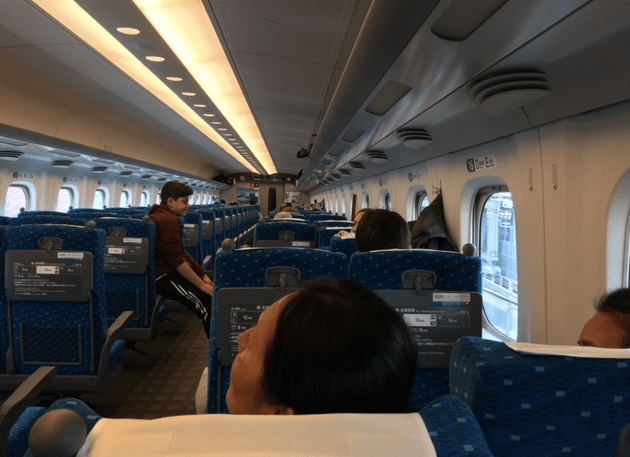
Lunch: we lunched at a local restaurant neat Lake Ashi. After that, we travelled by bullet train to Kyoto and checked in at Kyoto Hotel Okura for three nights. https://youtu.be/__zQlkjyn94
有关我们在日本最初三天的描述,请请去阅读网站 http://有关我们在日本最初三天的描述,请访问 第 4 天 - 2018 年 4 月 2 日星期一。早上 7:00 将我们的大行李箱留在我们东京帝国酒店的房间外,以便收集,然后通过隔夜送货服务将其转送到我们在京都的酒店。8:50 am 早餐后,我们在酒店大堂退房,搭乘日本铁路(JR)前往索道(缆车)登上驹岳山。 午餐:我们在当地一家整洁的芦之湖餐厅享用午餐。之后,我们乘坐子弹头列车前往京都,并在京都大仓酒店入住了三晚。

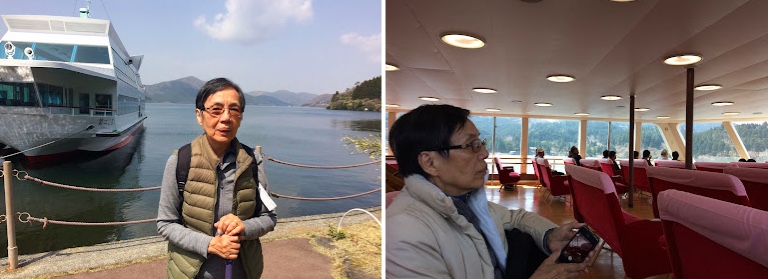
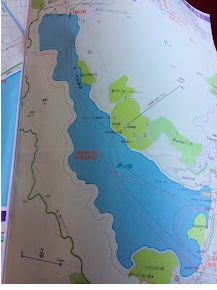
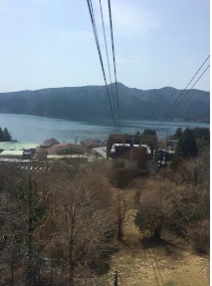
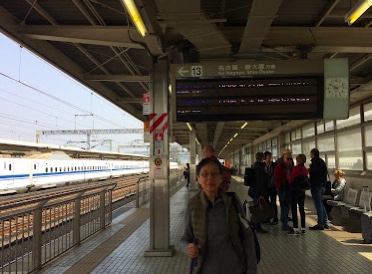
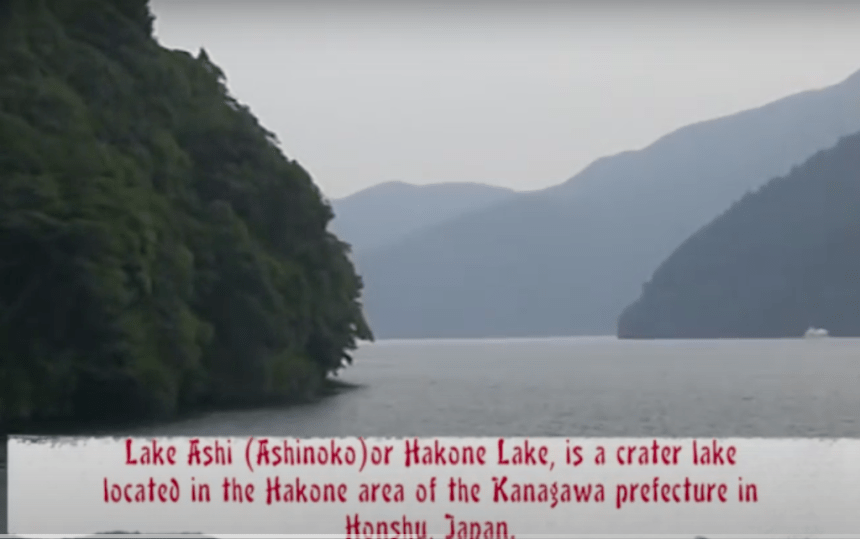
Lake Ashi, also referred to as Hakone Lake or Ashinoko Lake, is a scenic lake in the Hakone area of Kanagawa Prefecture in Honshū, Japan. It is a crater lake that lies along the southwest wall of the caldera of Mount Hakone, a complex volcano that last erupted in 1170 CE at Owakudani.
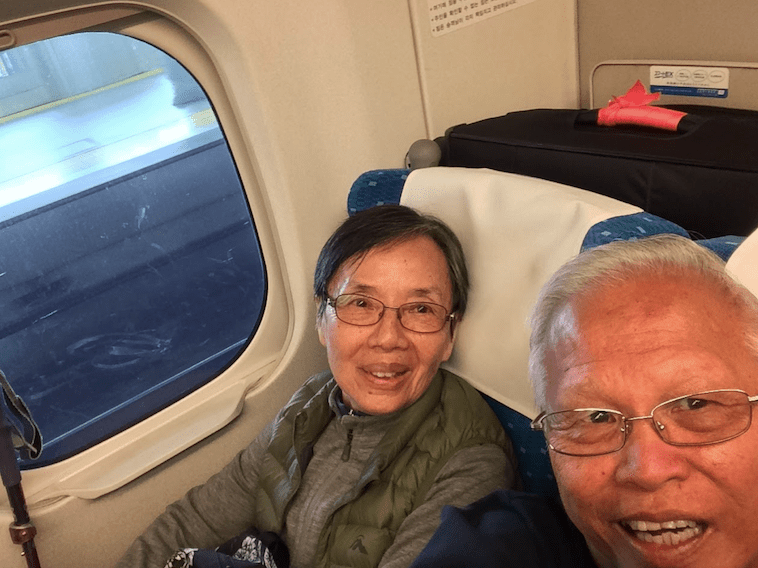
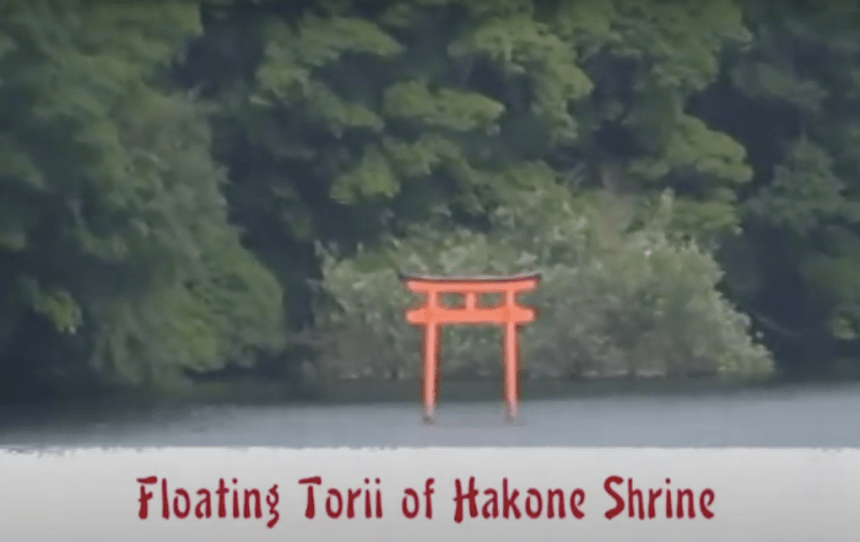
1. 从东京到富士山国家公园的日本铁路 (JR)。 2. 在当地餐厅外享用早午餐。 3. & 4. 沿着芦之湖游船。 5. 湖地图。 6. 乘坐缆车到驹岳山顶。 7. 等待前往京都的子弹头列车。 芦之湖,又称箱根湖,是日本本州神奈川县箱根地区风景秀丽的湖泊。这是一个火山口湖,位于箱根山火山口的西南壁上,箱根山是一座复杂的火山,最后一次喷发于公元 1170 年在大涌谷。
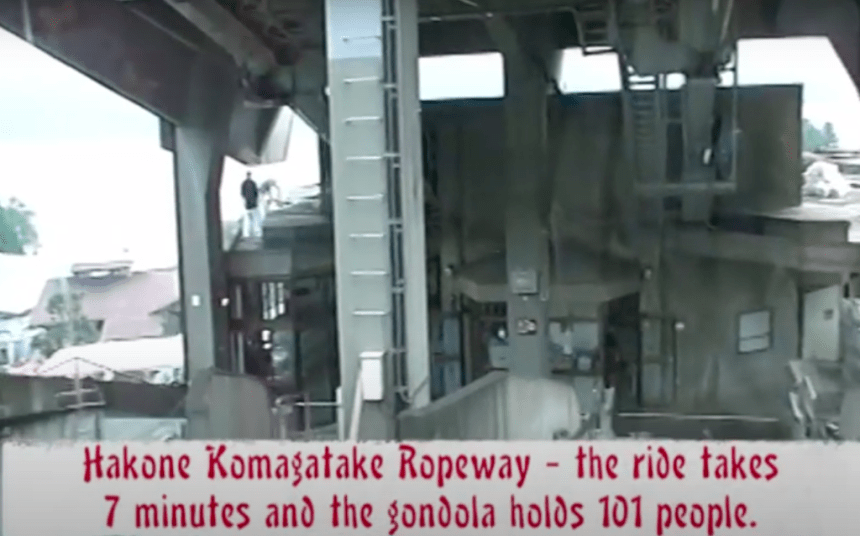
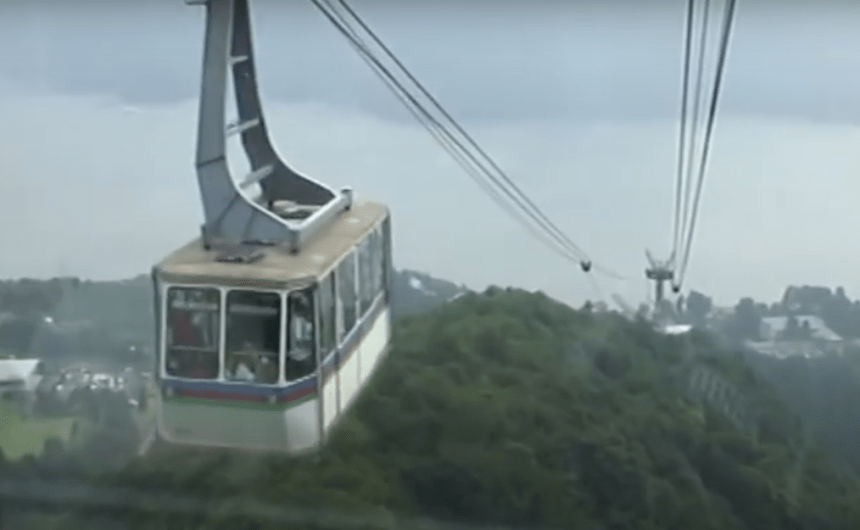
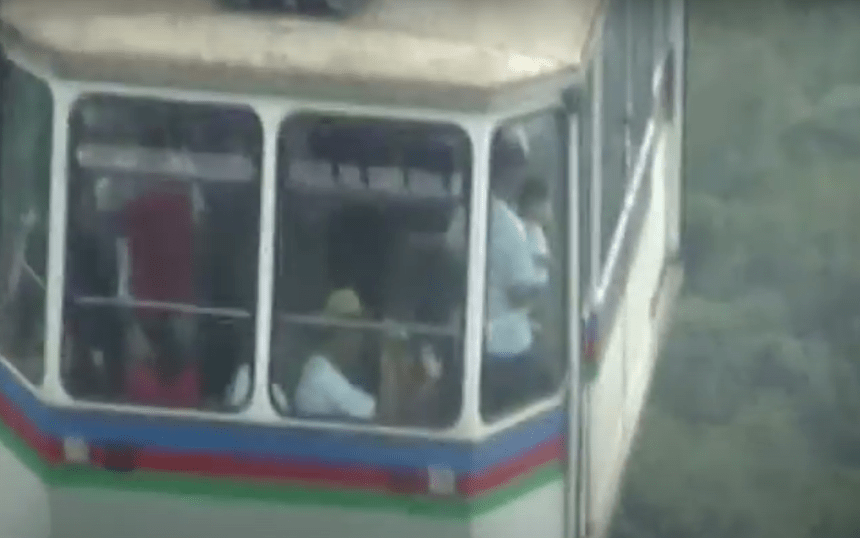
Hakone Komagatake Ropeway: From the Hakone-end on the shore of Hakone, Lake Ashinoko to the Hakone Mt. Komagatake Summit, the ropeway covers the full distance of 1,783 meters one-way in 7 minutes.
On the summit, visitors will find an observatory and a spacious plaza, with a great panorama centered on Lake Ashinoko below, stretching out over the full Hakone area like a miniature garden, with majestic Mt. Fuji in the northwest, and in the distance from Suruga Bay to Izu Shichito Island, Shonan Beach , Miura Peninsula, and Boso Peninsula.
Going higher still from the station at the summit, there is the Hakone Mototsumiya-jinja Shrine on the summit of Mt. Komagatake 1,356 meters above sea level.
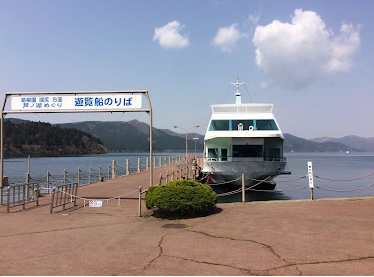
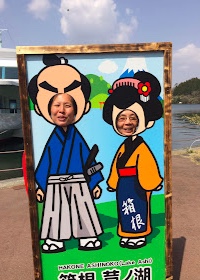
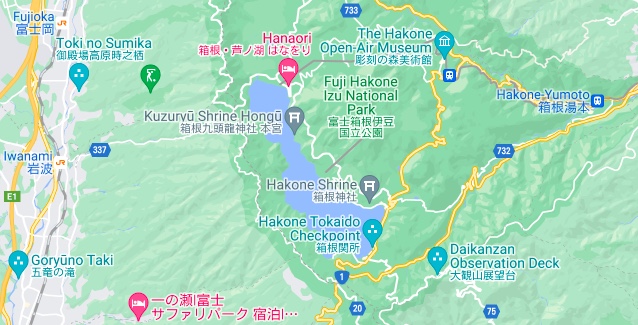
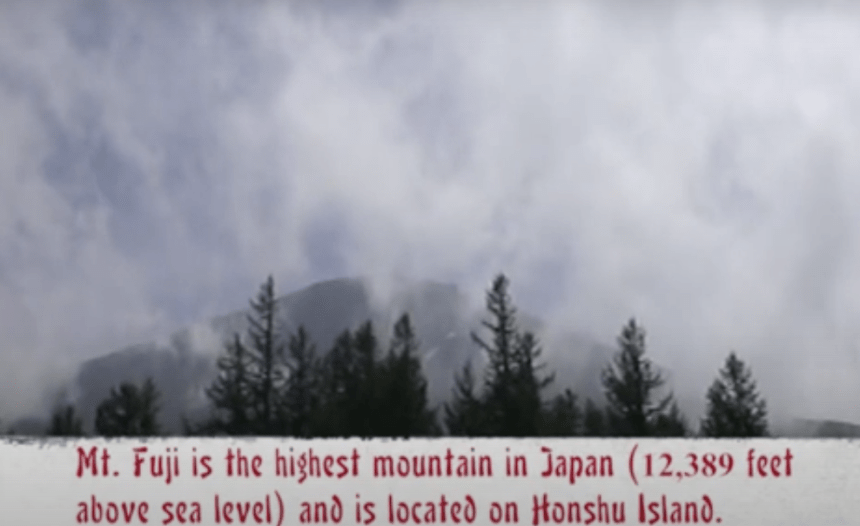
箱根驹岳索道:从箱根岸边的箱根端、芦之湖到箱根驹岳山顶,索道单程1783米,7分钟。 山顶设有展望台和宽敞的广场,下方以芦之湖为中心的壮丽全景,像微型花园一样延伸到整个箱根地区,西北有雄伟的富士山,远处骏河湾至伊豆七岛、湘南海滩、三浦半岛、房总半岛。 从山顶站再往上走,在海拔1,356米的驹岳山顶有箱根元津宫神社。
We finally arrived by the fast electric operated bullet train to Kyoto in the evening and checked into the Kyoto Hotel Okura. 我们终于在晚上乘坐快速电动子弹头列车到达京都,入住京都大仓酒店.
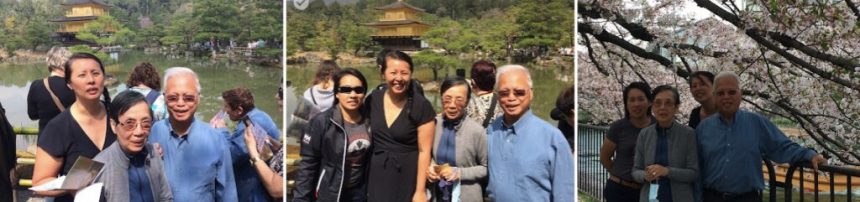
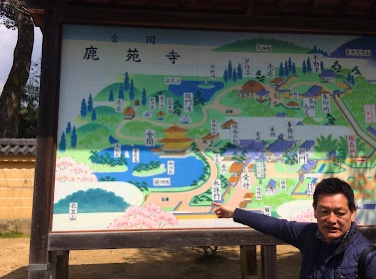
Day 5: Tuesday 3rd April 2018: Kyoto - We took a sightseeing tour and visited the UNESCO world heritage sites - the Golden Pavilion (Kinkakuji) and Nijo Castle. Kinkakuji is a beautiful Zen temple, once the retirement villa of the shogun Ashikaga in northern Kyoto, and whose top two storeys are completely covered in gold leaf. Nijo castle was built in the year 1603 as the Kyoto residence of the first shogun, Tokugawa. It is one of the best surviving examples of feudal Japan’s caste palace architecture.
第 5 天:2018 年 4 月 3 日星期二:京都 - 我们参观了联合国教科文组织世界遗产 - 金阁(金阁寺)和二条城。金阁寺是一座美丽的禅宗寺庙,曾经是京都北部将军足利的退休别墅,其顶部两层完全被金箔覆盖。二条城建于 1603 年,是第一代幕府将军德川的京都府邸。它是封建日本的种姓宫殿建筑最好的幸存例子之一。
The site of Kinkaku-ji (UNESCO World heritage site) was originally a villa called Kitayama-dai (北山第). Kinkaku-ji’s history dates to 1397, when the villa was purchased from the Saionji family by Shogun Ashikaga Yoshimitsu and transformed into the Kinkaku-ji complex. When Yoshimitsu died the building was converted into a Zen temple by his son, according to his wishes. During the Onin War (1467–1477), all of the buildings in the complex aside from the pavilion were burned down.
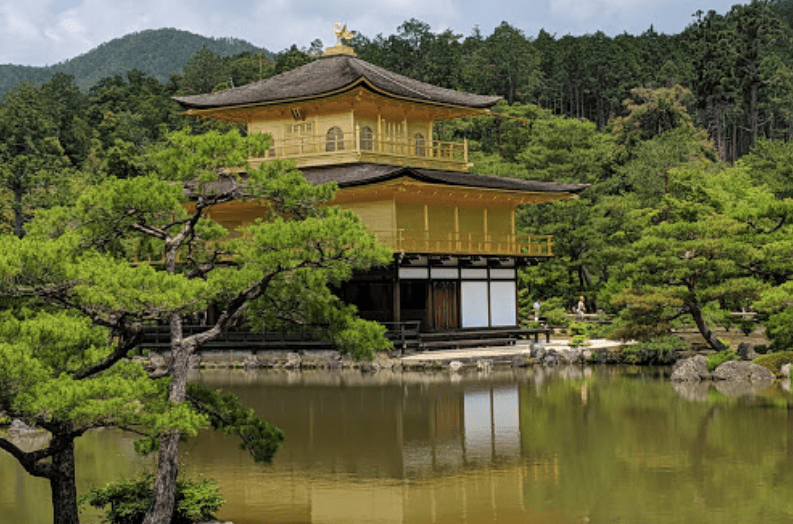
On 2 July 1950, the pavilion was burned down by a 22-year-old novice monk, Hayashi Yoken, who then attempted suicide on the Daimon-ji hill behind the building. He survived, and was subsequently taken into custody. The monk was sentenced to seven years in prison, but was released because of mental illnesses and on 29 September 1955, he died of tuberculosis.
金阁寺(联合国教科文组织世界遗产)的遗址最初是一座名为北山台(北山第)的别墅。金阁寺的历史可追溯至 1397 年,当时别墅被足利义光将军从西园寺家族购买,并改建为金阁寺建筑群。义光死后,他的儿子按照他的意愿将这座建筑改建为禅寺。在 Onin 战争(1467-1477 年)期间,该建筑群中除凉亭外的所有建筑物都被烧毁。 1950 年 7 月 2 日,亭子被 22 岁的新僧林洋谦烧毁,他随后在建筑物后面的大门寺山上企图自杀。他活了下来,随后被拘留。僧人被判七年有期徒刑,但因精神疾病被释放,1955年9月29日,他死于肺结核。
The present pavilion structure dates from 1955, when it was totally rebuilt. The pavilion is three stories high, 12.5 meters (40 feet) in height. The reconstruction is said to be a copy close to the original, although some doubt whether such an extensive gold-leaf coating was used on the original structure. The interior of the building, including the paintings and Yoshimitsu’s statue, were also restored. Finally, the roof was restored in 2003. The name Kinkaku is derived from the gold leaf that the pavilion is covered in. Gold was an important addition to the pavilion as the gold was intended to mitigate and purify any pollution or negative thoughts and feelings towards death. Other than the symbolic meaning behind the gold leaf, the Muromachi period heavily relied on visual excesses. With the focus on the Golden Pavilion, the way that the structure is mainly covered in that material creates an impression that stands out when the effect of the sun’s reflection of the pavilion on the pond.
现在的亭子结构可以追溯到1955年,当时它完全重建。展馆三层楼高,高 12.5 米(40 英尺)。据说重建是接近原件的复制品,尽管有人怀疑原始结构是否使用了如此广泛的金箔涂层。建筑物的内部,包括绘画和吉光的雕像,也得到了修复。最后,屋顶于 2003 年修复。金阁这个名字来源于亭子所覆盖的金箔。黄金是亭子的重要补充,因为黄金旨在减轻和净化任何污染或负面思想和感受死亡。除了金箔背后的象征意义外,室町时代还严重依赖视觉过度。以金阁为重点,结构主要覆盖在这种材料上的方式,营造出一种印象,当阳光在亭子上的反射效果在池塘上时显得格外突出。
Nijo Castle: (二条城, Nijō-jō) is a flatland castle in Kyoto. The castle consists of two concentric rings called Kunruwa of fortifications, the Ninomaru Palace, the ruins of the Honmaru Palace, various support buildings and several gardens. The surface area of the castle is 275,000 square metres (27.5 ha; 68 acres), of which 8,000 square metres (86,000 sq ft) is occupied by buildings.
It is one of the seventeen Historic Monuments of Ancient Kyoto which have been designated by UNESCO as a World Heritage Site.
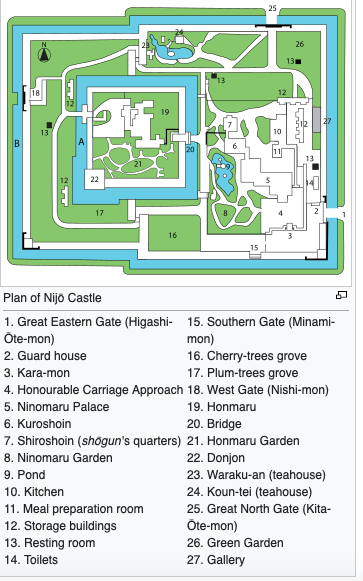
二条城:是京都的平地城堡。这座城堡由两个同心圆环组成,称为Kunruwa防御工事,二之丸宫,本丸宫遗址,各种辅助建筑和几个花园。城堡的表面积为 275,000 平方米(27.5 公顷;68 英亩),其中 8,000 平方米(86,000 平方英尺)为建筑物所占据。
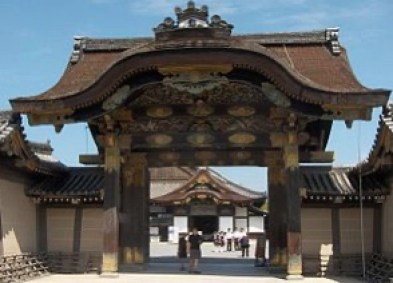
它是被联合国教科文组织指定为世界遗产的十七个古代京都历史古迹之一。
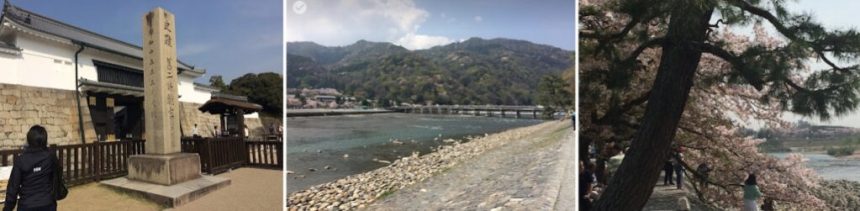
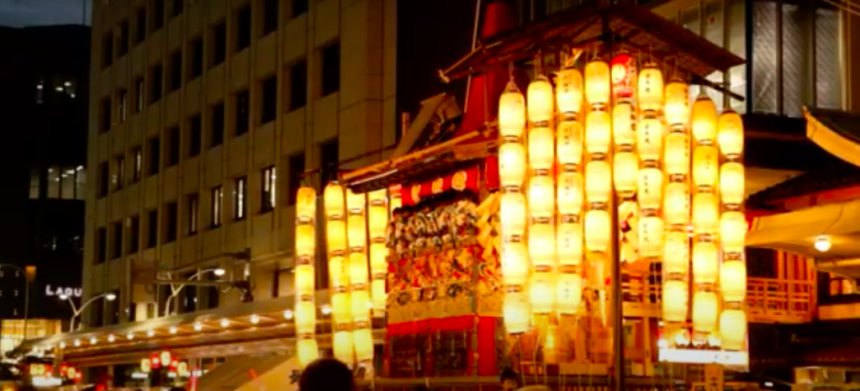
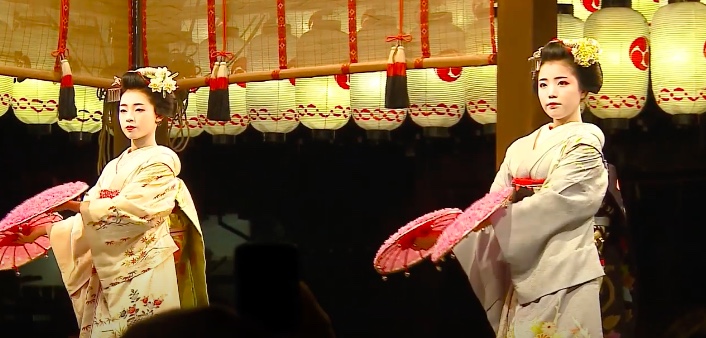
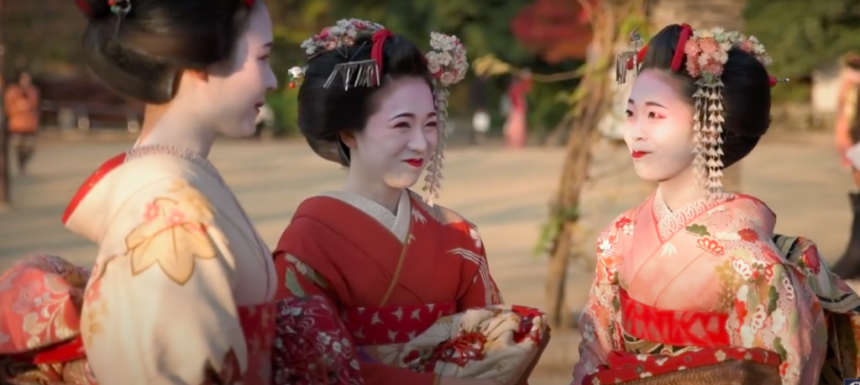
In the afternoon, we had lunch at a traditional restaurant that had won eight consecutive Michelin awards. At 3:00 pm we enjoyed a Geisha performance experience, visiting a Geisha house in Gion district and we also enjoyed a private arrangement with an experience of the traditional tea ceremony performed by the Geisha.
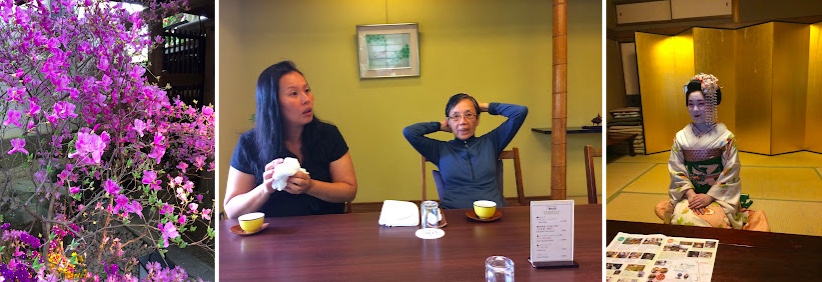
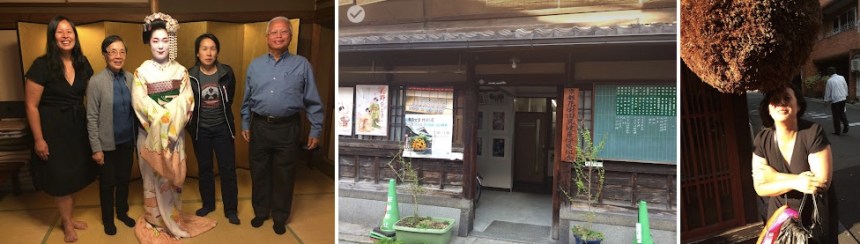
下午,我们在一家连续获得八项米其林奖的传统餐厅享用午餐。下午3:00,我们享受了艺伎表演体验,参观了祗园区的艺妓屋,我们还享受了私人安排,体验了艺伎表演的传统茶道。
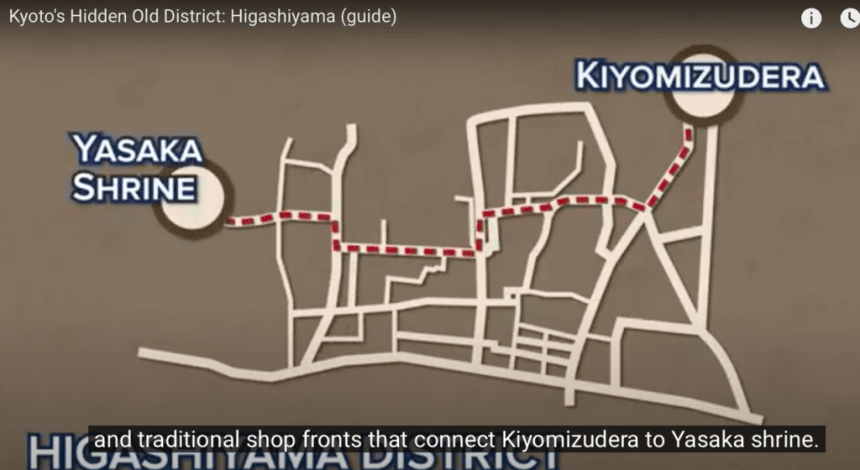
Day 6: Wednesday 4th April 2018: In Kyoto. After a relaxing breakfast, we took a walking tour to Kiyomizu Temple, a Temple that was nested in a nearby mountain on the eastern side of the City. It overlooked on to the City. Part of the fun of this walking trip was the need to travel through steep and busy shopping streets of Kyoto’s old district of Higashiyama.
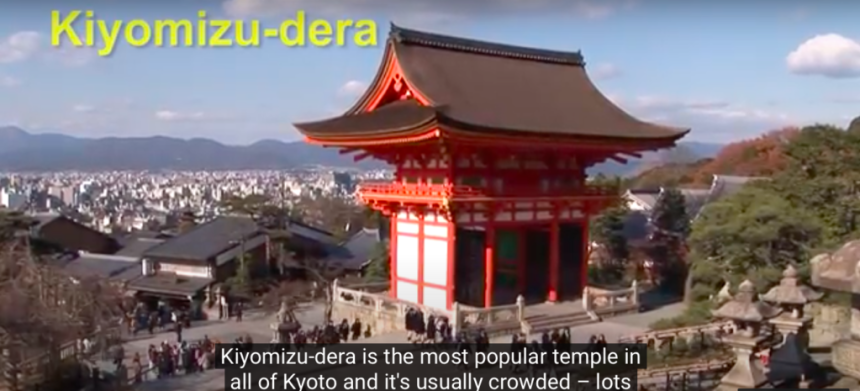
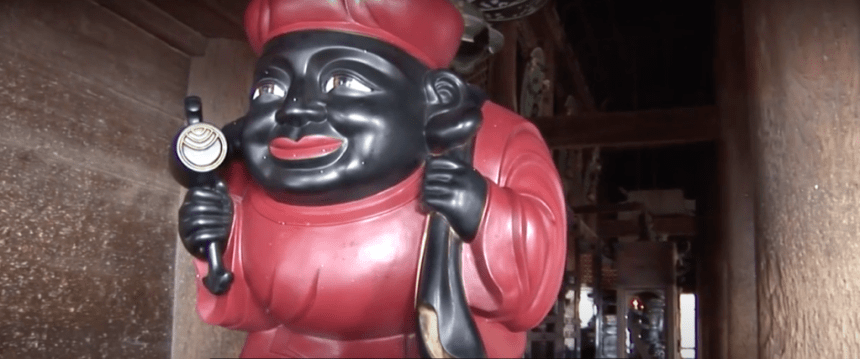
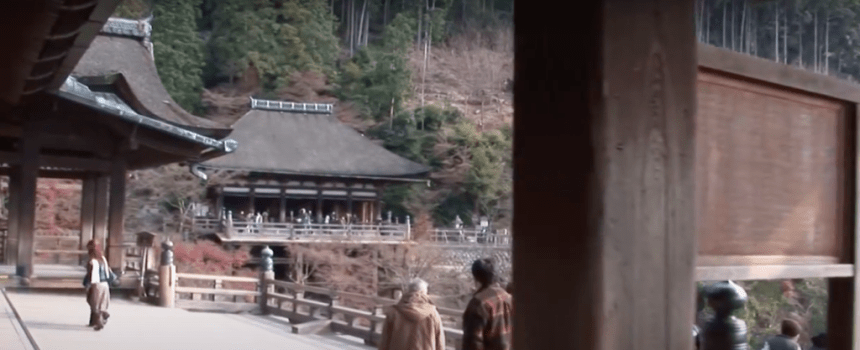
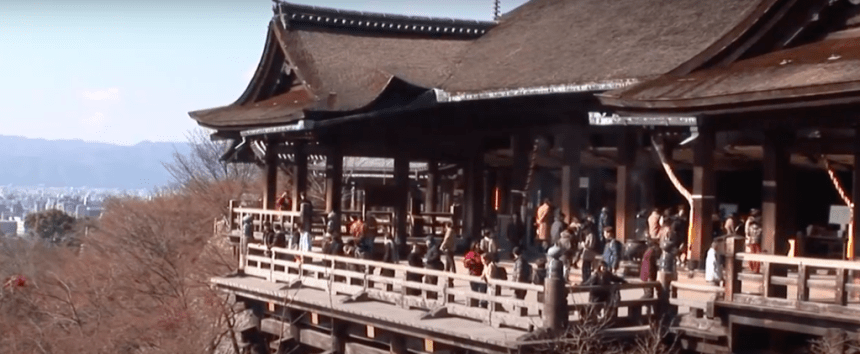
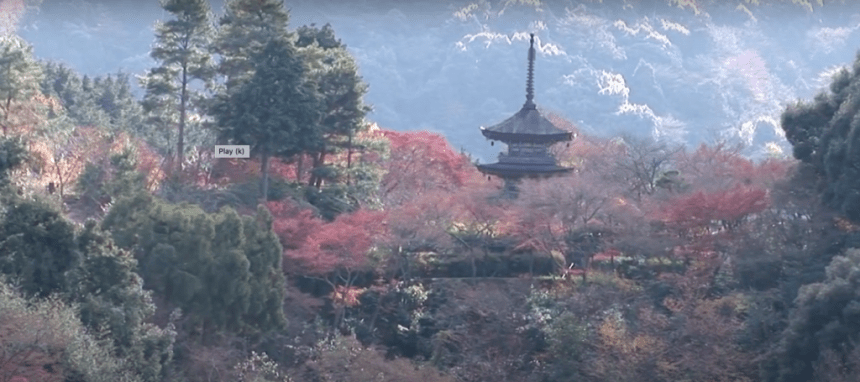
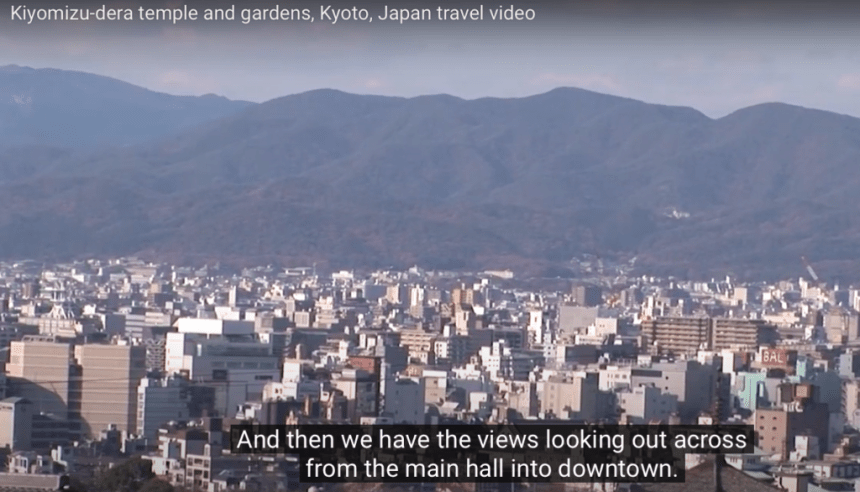
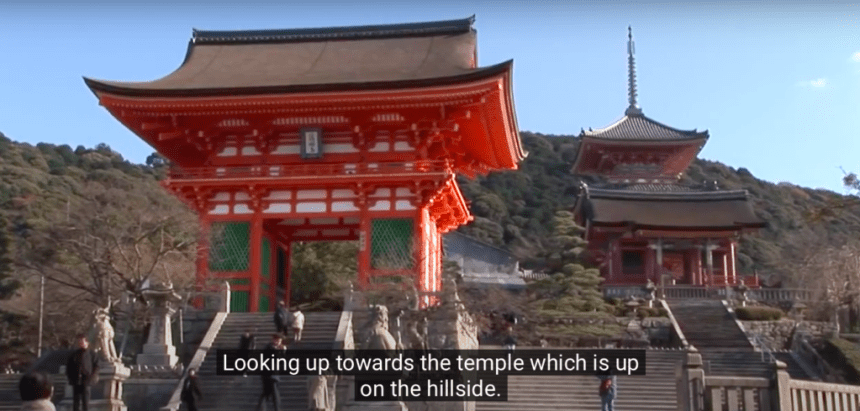
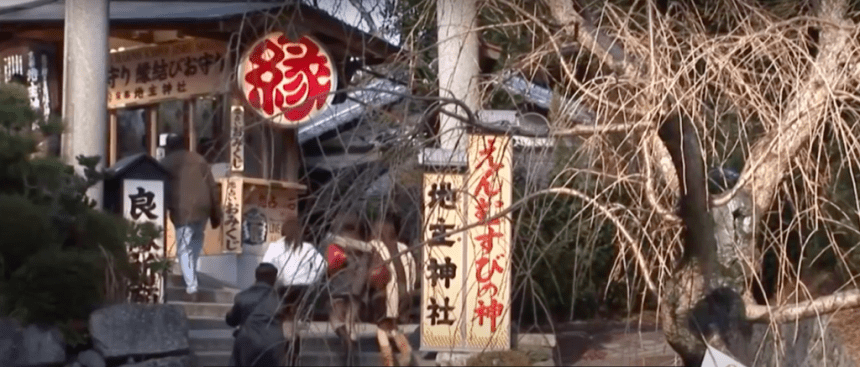
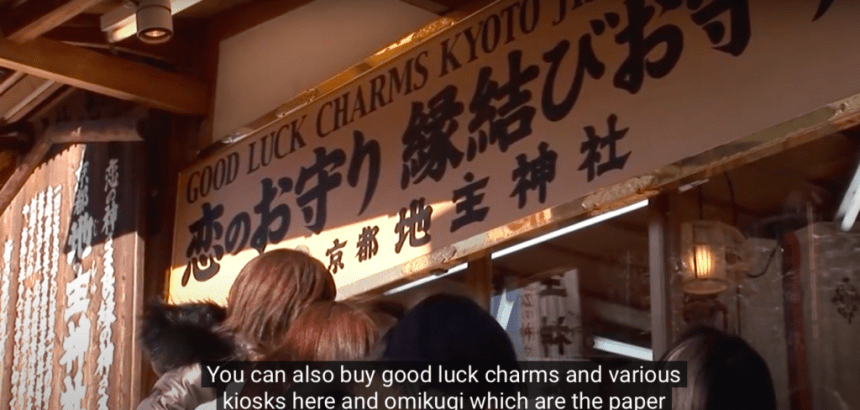
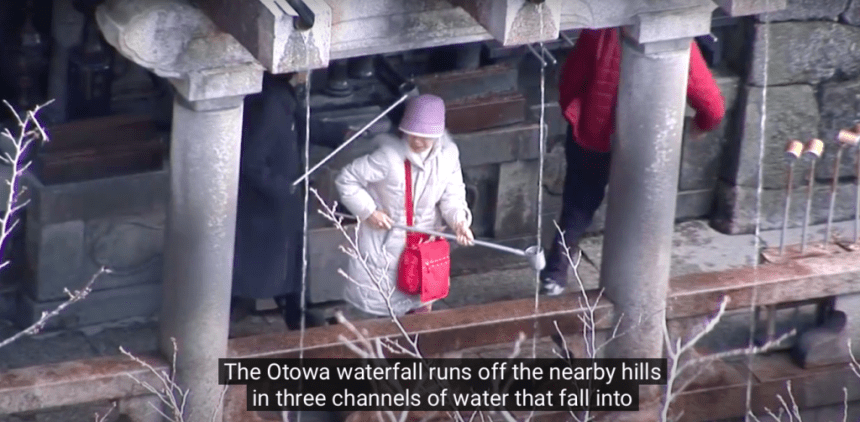
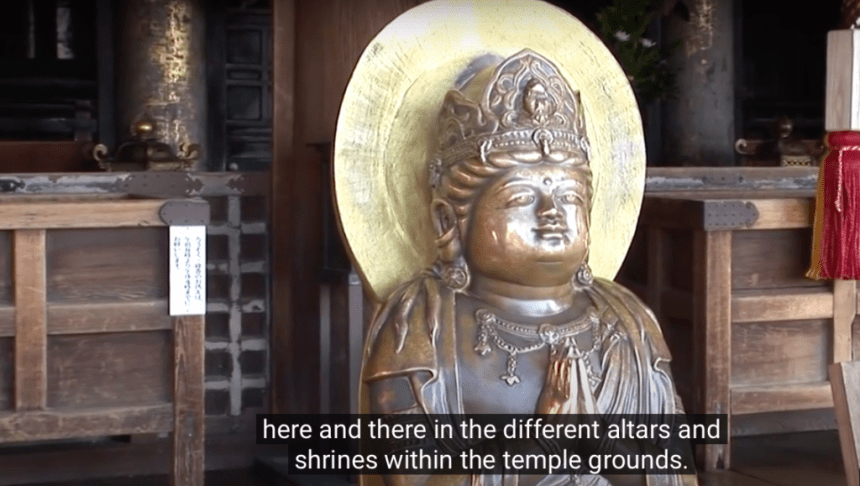
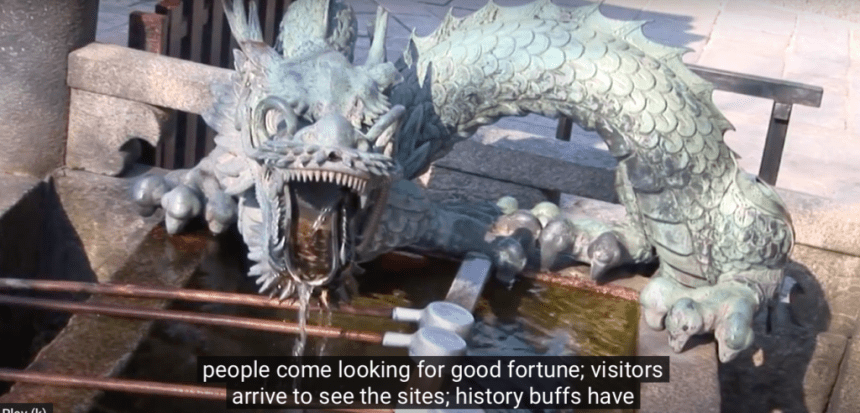
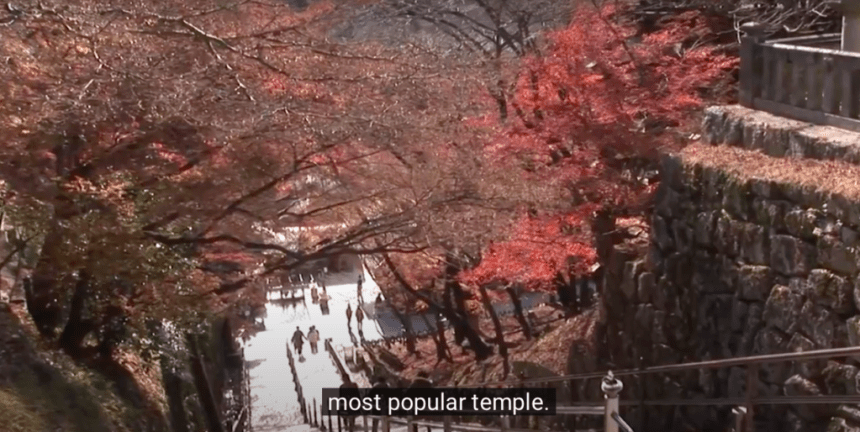
第 6 天:2018 年 4 月 4 日星期三:在京都。享用完轻松的早餐后,我们徒步游览了位于城市东侧附近山上的清水寺。它俯瞰城市。这次徒步旅行的乐趣之一是需要穿越京都旧区东山陡峭而繁忙的购物街。
Our lunch was at a fabulous traditional Tempura Restaurant where the meal was cooked in front of us.
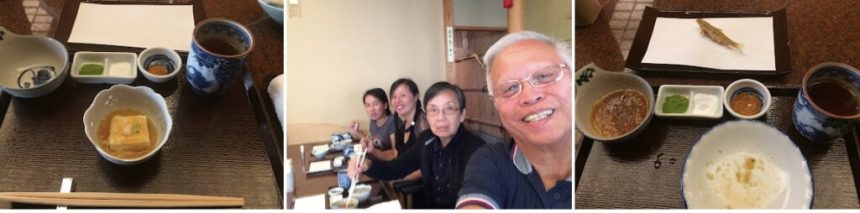
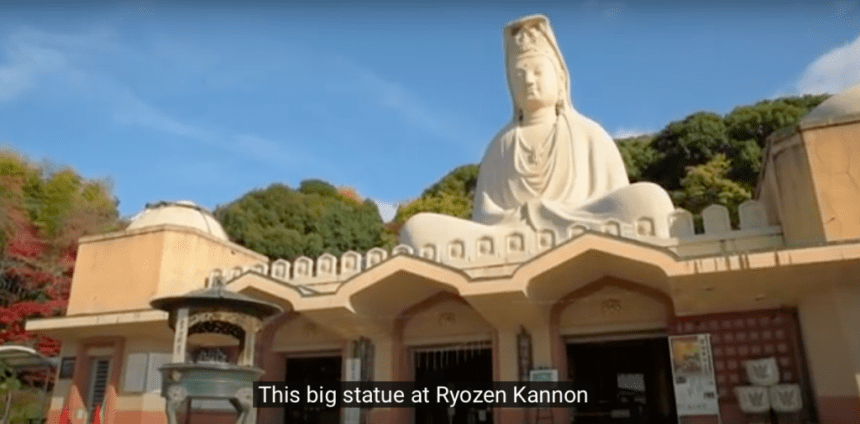
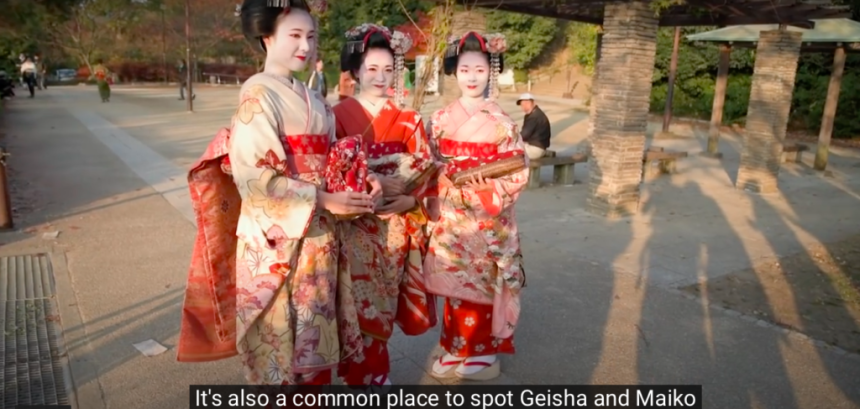
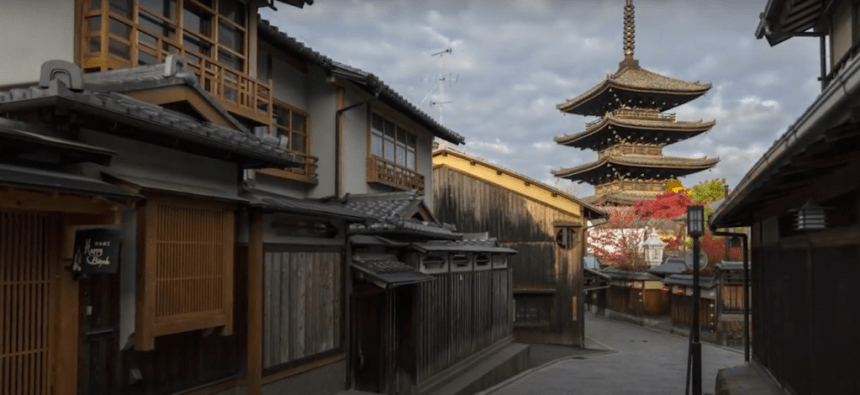
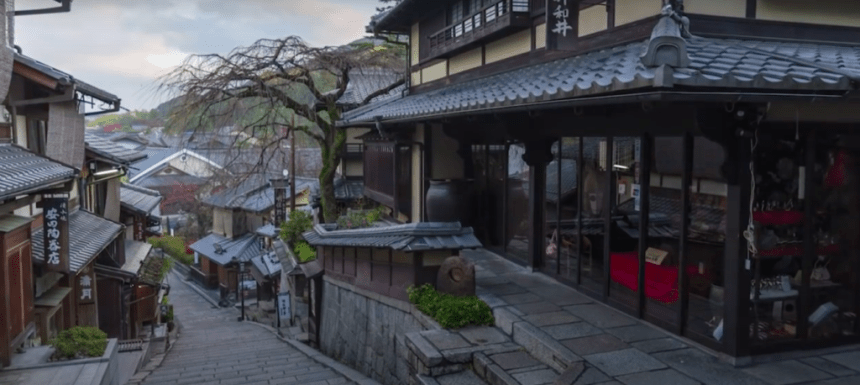
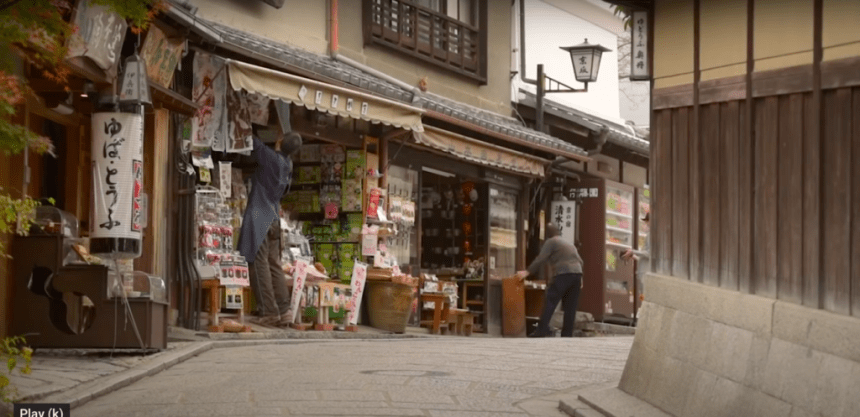
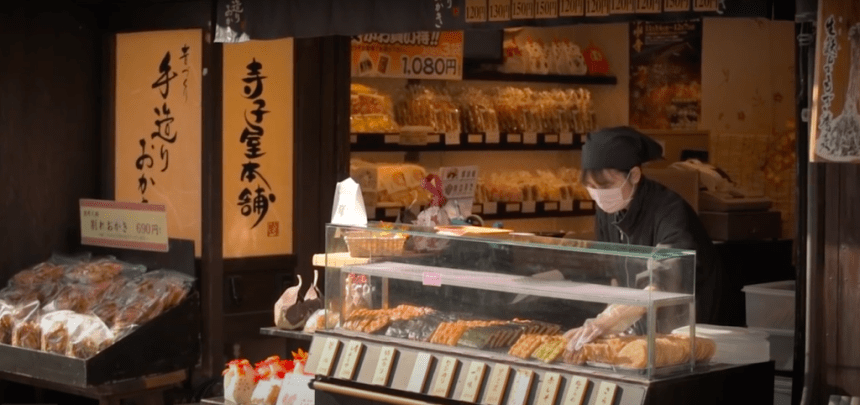
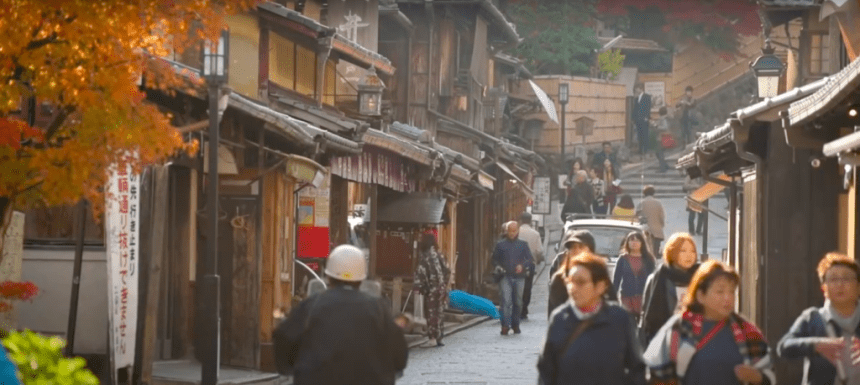
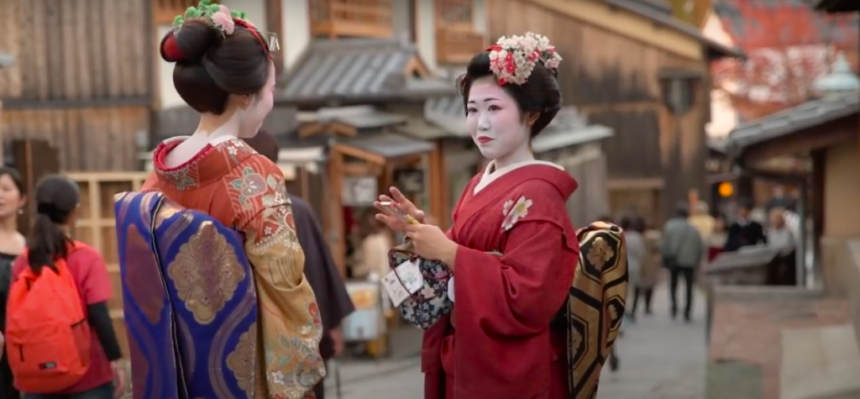
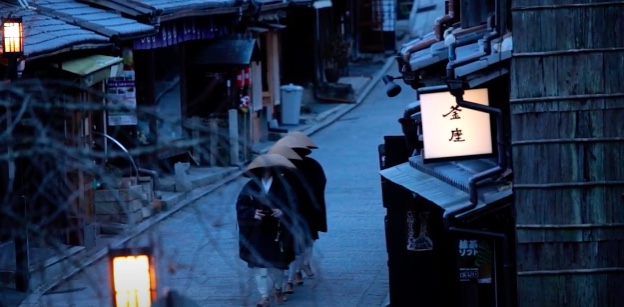
The late afternoon and evening were our free-to-wander-ourselves periods and we walked through some interesting narrow trading streets in Kyoto.
下午晚些时候和晚上是我们自由漫步的时期,我们穿过京都一些有趣的狭窄贸易街。
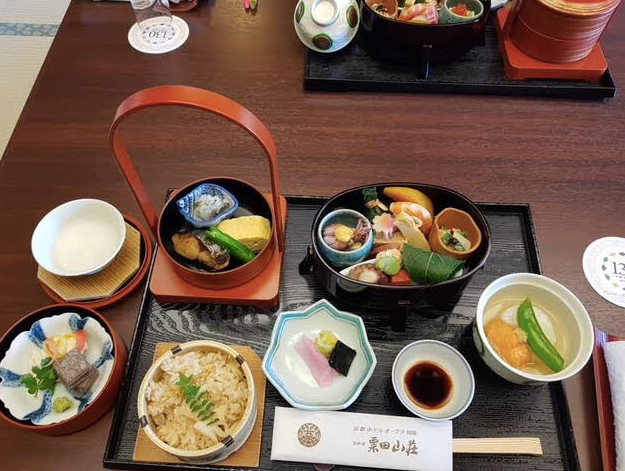
在我们的导游 Hiro, 来自 Janesco, 推荐的另一家著名的京都餐厅享用晚餐.
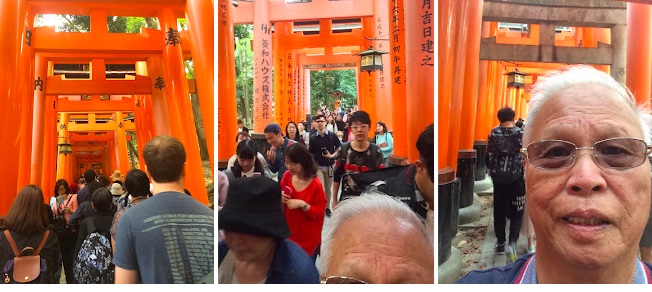
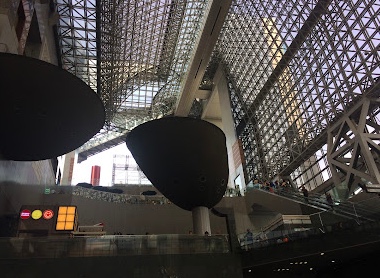
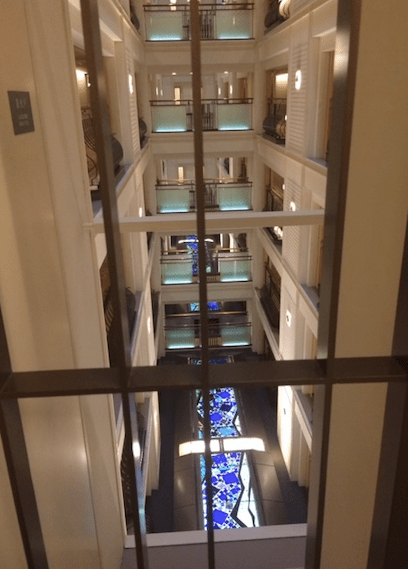
Later that evening, we were advised to pack up smaller bags for a one-day excursion trip the next, while our main luggages were to be transported to Hiroshima ahead of our arrival there on Day 8, 8th April 2018.
那天晚上晚些时候,我们被建议收拾小包,以便接下来的一日游,而我们的主要行李将在我们于 2018 年 4 月 8 日第 8 天到达广岛之前被运送到广岛。
 English