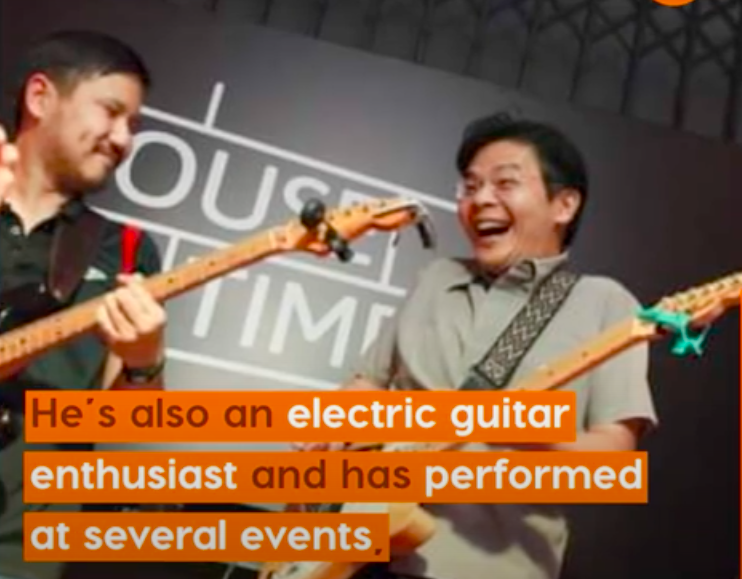
Lawrence Wong Xun Cai, Singapore 新加坡下一任领导人,黄循财
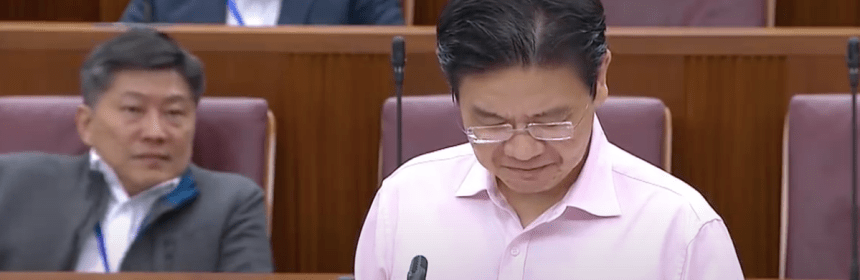
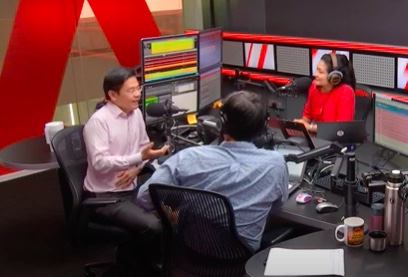
Govt working on pricing model for Greater Southern Waterfront HDB flats: Lawrence Wong | CNA938 - Sep 19, 2019 https://youtu.be/SOdFEQY0M1A
政府正在制定大南部海滨组屋的定价模型:https://youtu.be/SOdFEQY0M1A
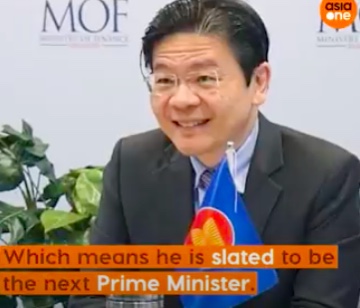
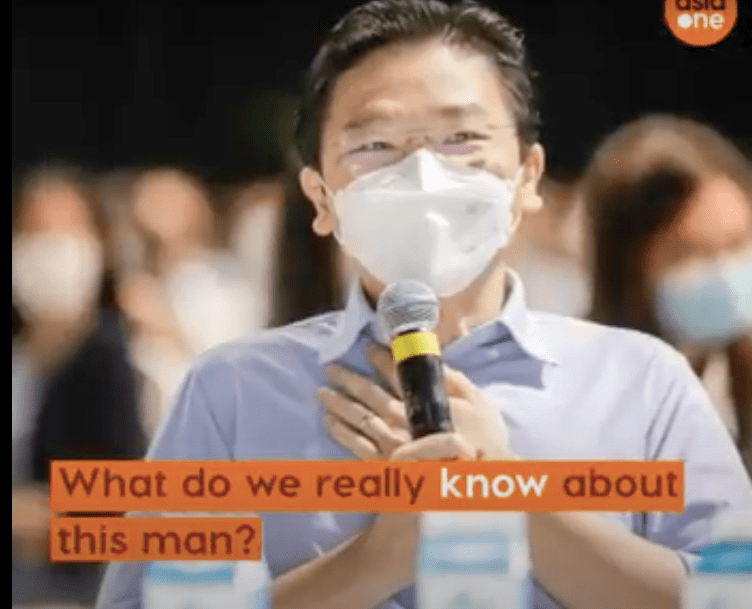
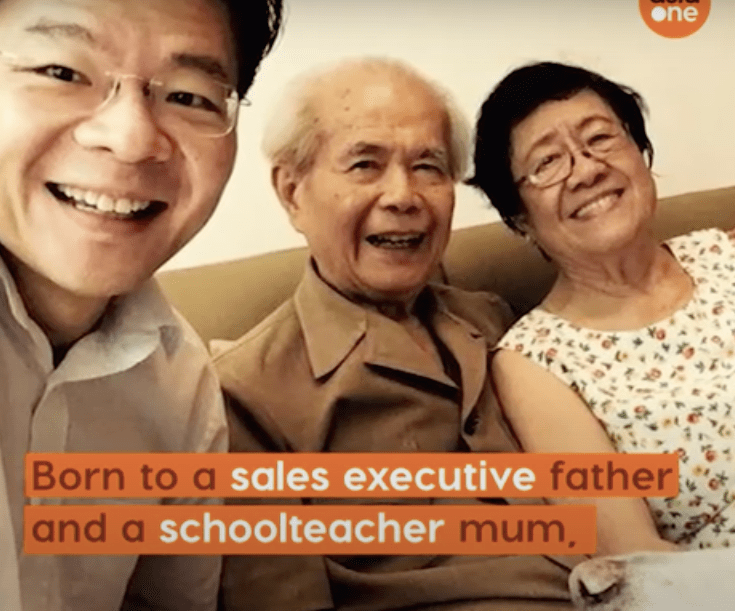
When the Singapore Prime Minister, Mr. Lee Hsien Loong, listened to the wishes of his colleagues and announced that Singapore’s Finance Minister, Lawrence Wong Xuncai, was to be the next fourth generation Prime Minister, I did my research on this man, Lawrence Wong. There are several very interesting and noteworthy facts about this fourth generation leader.
当新加坡总理李显龙先生听取同事们的意愿,宣布新加坡财政部长黄循财为下届第四代总理时,我研究了这个人,黄循财.关于这位第四代领导人,有几个非常有趣和值得注意的事实。
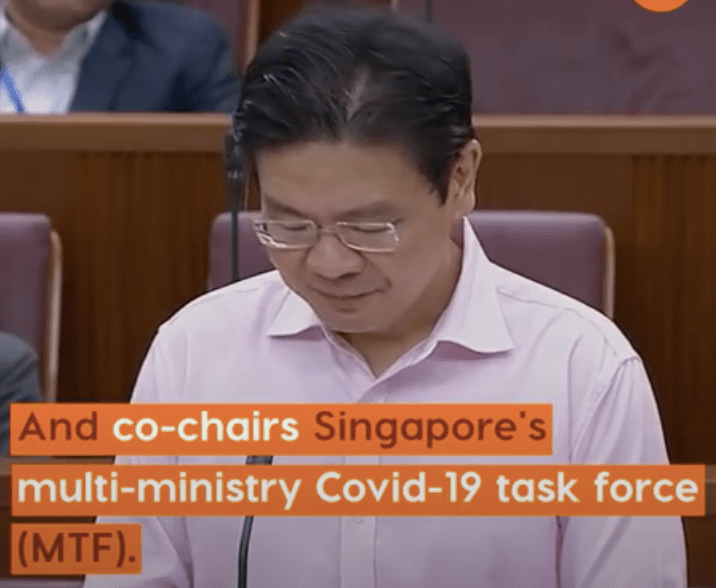
Of all the many articles, videos, and social media postings on Mr. Lawrence Wong, I find the following video on him speaking emotionally in Parliament, the most touching. The posting was dated March 15th 2020 and let us watch this video together. https://youtu.be/pSn2ZYQsD2c “Words are not sufficient to express our appreciation for so many Singaporeans going all out to fight the virus, but I just want to say a big thank you to everyone who is doing their part,” said a visibly emotional National Development Minister Lawrence Wong in Parliament on Wednesday (Mar 25).
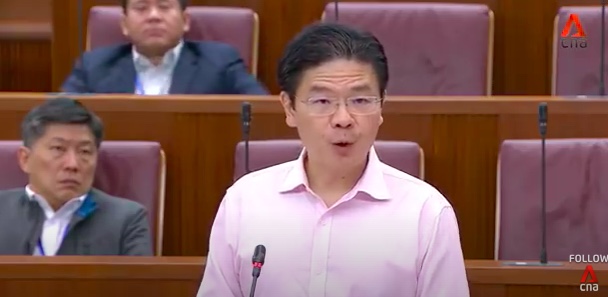
在所有关于黄循财先生的文章、视频和社交媒体帖子中,我发现以下关于他在国会发表情绪激动的视频是最感人的。该帖子的发布日期为 2020 年 3 月 15 日,让我们一起观看此视频。 https://youtu.be/pSn2ZYQsD2c “言语不足以表达我们对这么多新加坡人全力以赴抗击病毒的感激之情,但我只想对所有尽自己的一份力量的人表示衷心的感谢,”黄循财说,周三(3 月 25 日),国家发展部长黄循财(Lawrence Wong)在议会中明显情绪激动。https://youtu.be/pSn2ZYQsD2c
Lawrence Wong’s University Journey: Education Minister Lawrence Wong shares his own journey through tertiary education, from accepting a place at the University of Wisconsin-Madison to choosing the right courses for his future career. https://youtu.be/-CuCW061Y3U
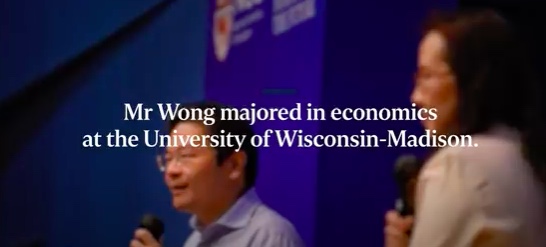
Lawrence Wong 黄循财的大学之旅:教育部长 黄循财 Lawrence Wong 分享了他自己的高等教育经历,从接受威斯康星大学麦迪逊分校的录取到为未来的职业选择合适的课程。https://youtu.be/-CuCW061Y3U
Dialogue with Mr Lawrence Wong on Singapore and the Big Ideas of Mr Lee Kuan Yew. In the third plenary session of LKY School’s 10th anniversary conference, our Guest-of-Honour, Mr Lawrence Wong, hold a dialogue on Singapore and some of the big ideas of Mr Lee Kuan Yew. Mr Lawrence Wong also share his views that Singapore should strive to be a society which works on and values integrity and deeds, and where citizens are actively involved in finding solutions that will improve the country. This third plenary of LKY School’s 10th anniversary conference is moderated by Kishore Mahbubani, Dean of the LKY School. The event also see the book launch of ‘The Big Ideas of Mr Lee Kuan Yew’ and ‘Governing Asia- Reflections’. Mr Lawrence Wong is Minister for Culture, Community and Youth and 2nd Minister for Communications and Information in the Government of Singapore. https://youtu.be/slXk3VbFU6c
与黄循财先生就新加坡和李光耀先生的伟大思想进行对话。在李光耀学校10周年大会第三次全体会议上,我们的主宾Lawrence Wong 黄循财先生就新加坡和李光耀先生的一些大思想进行了对话。 Lawrence Wong 黄循财先生也分享了他的观点,即新加坡应该努力成为一个致力于并重视诚信和行为的社会,让公民积极参与寻找改善国家的解决方案。此次李光耀学院十周年大会第三次全体会议由李光耀学院院长Kishore Mahbubani主持。此次活动还推出了“李光耀先生的伟大思想”和“治理亚洲——反思”的新书发布会。 Lawrence Wong 黄循财先生是新加坡政府文化、社区和青年部长兼第二任传播和信息部长。https://youtu.be/slXk3VbFU6c
Kid asks Education Minister Lawrence Wong: https://youtu.be/HKBpq4rib8U

孩子问教育部长黄循财:https://youtu.be/HKBpq4rib8U
Let us now watch the next video where Lawrence Wong stresses the need for us to avoid tribalism in our society. The transcript of what he says in this context is given below together with some of our remarks written after the relevant paragraphs that the Lawrence Wong makes. https://youtu.be/AVtrsirJLqs
现在让我们观看下一个视频,Lawrence Wong 强调我们需要避免社会中的部落主义。他在此背景下所说的话的文字记录以及我们在 Lawrence Wong 的相关段落之后写的一些评论。https://youtu.be/AVtrsirJLqs
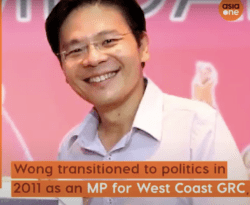
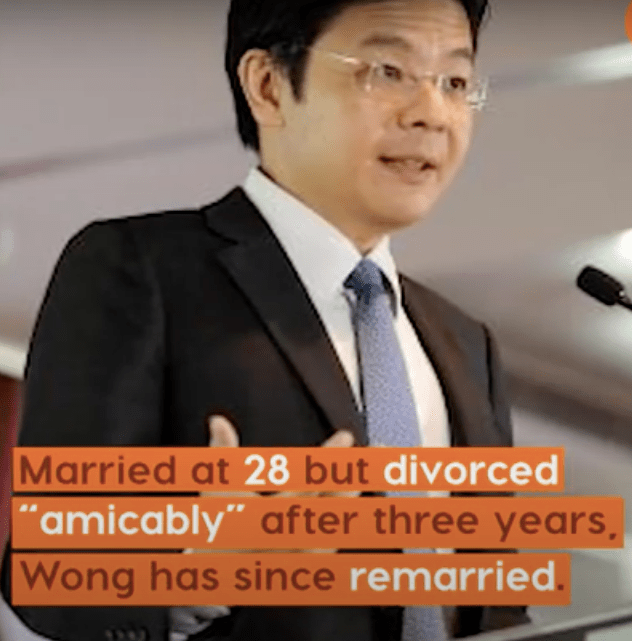
Lawrence Wong (Chinese: 黄循财; pinyin: Huáng Xúncái; born 18 December 1972) is a Singaporean politician who is served as Minister for Finance, Singapore, since 2021.
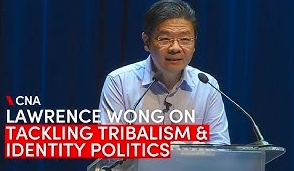
I spoke about race a few months ago and I noted then that a harmonious multi-racial society does not occur naturally. One people, regardless of race, language or religion that did not fall ready made from the sky. We made it happen despite the differences of race, language or religion. Since I gave that speech the government has continued to engage people on race. The prime minister himself spoke about this at the National Day rally and announced we will introduce a Maintenance of Racial Harmony Act and anti-discrimination legislation.
Lawrence Wong(中文:黄循财;拼音:Huáng Xúncái;1972年12月18日出生)是新加坡政治家,自2021年起担任新加坡财政部长。
几个月前我谈到了种族问题,当时我注意到和谐的多种族社会并不是自然而然的。一个人,不分种族、语言或宗教,没有从天而降。尽管种族、语言或宗教存在差异,我们还是做到了。自从我发表那次演讲以来,政府一直在让人们参与种族问题。总理本人在国庆集会上谈到了这一点,并宣布我们将推出《维护种族和谐法》和反歧视立法。
Meanwhile I’ve noticed that other aspects of identity have surfaced in our conversations around gender, sex, or various causes that people feel strongly about. This is not surprising. The natural instinct of humans is to look out for those who are most like us. Around the world, we see the rise of what we might call a new tribalism in politics or identity politics as it is commonly described. What does all this mean for Singapore, and how should we respond. I will share some of my thoughts this morning and I should qualify that they are more in the nature of notes to prompt further discussion than a fully worked exposition.

与此同时,我注意到在我们围绕性别、性或人们强烈关注的各种原因的对话中,身份的其他方面已经浮出水面。这并不奇怪。人类的本能是寻找最像我们的人。在世界各地,我们看到了我们通常所说的政治或身份政治中的新部落主义的兴起。这一切对新加坡意味着什么,我们应该如何应对。今天早上我将分享我的一些想法,我应该有资格说它们更像是笔记的性质,以促进进一步的讨论,而不是一个完整的阐述。
I’ll start with some history to set the context of what and how we got to where we are today. Before nations, before empires, before even race, there were tribes. The word ‘tribe’ comes from the Latin “tribus”. Romulus the legendary first king of Rome was said to have divided his city into three tribus, all groups of people and as the Roman Republic and then the Empire expanded, it soon became clear that these tribal bonds and loyalties were at odds with the very idea of Rome. For if the first loyalty of every Roman was to his own tribe, how then would Rome impose its authority across a far-flung empire.
我将从一些历史开始,以设定我们今天是什么以及如何到达今天的背景。在民族之前,在帝国之前,甚至在种族之前,就有部落。 “部落”一词来自拉丁语“tribus”。据说,传说中的罗马第一任国王罗穆卢斯将他的城市分成三个部落,所有人群,随着罗马共和国和帝国的扩张,很快就很明显,这些部落纽带和忠诚与这个想法背道而驰罗马。因为如果每个罗马人的第一个忠诚是对他自己的部落,那么罗马将如何将它的权威强加给一个遥远的帝国。
So Rome gave us another important concept “civis romanus” or Roman citizen. It was then a revolutionary idea that you didn’t have to be of the same tribe or be born in the same place to be a citizen of Rome and being a Roman citizen meant something. In fact so great was the wrath of Rome toward anyone who dared to harm a Roman citizen that safety was said to be guaranteed for anyone who could declare “civis romanus sum” or “I am a Roman citizen”. In exchange Roman citizens were expected to perform various civic duties, chief of which was to defend Rome when necessary.
所以罗马给了我们另一个重要的概念“civis romanus”或罗马公民。这是一个革命性的想法,你不必来自同一个部落或出生在同一个地方成为罗马公民,成为罗马公民意味着什么。事实上,罗马对任何胆敢伤害罗马公民的人的愤怒是如此之大,以至于据说可以保证任何可以宣称“civis romanus sum”或“我是罗马公民”的人的安全。作为交换,罗马公民被期望履行各种公民职责,其中主要是在必要时保卫罗马。

Roman citizenship was of course limited. Neither the Republic nor the Empire believed in a universal franchise. Only a small group of people could hope to be roman citizens typically male children of existing citizens or individuals in the provinces who had done great service to the Empire. The overwhelming majority were partial citizens of various kinds or slaves. But despite the limited nature of its citizenship Rome demonstrated the possibility of different tribes coming together under a common banner and changing the course of history.
罗马公民当然是有限的。共和国和帝国都不相信普遍的特许权。只有一小部分人可以希望成为罗马公民,通常是现有公民的男性子女或为帝国做出巨大贡献的行省个人。绝大多数是不同种类的部分公民或奴隶。但是,尽管其公民身份的有限性,罗马展示了不同部落在共同旗帜下聚集在一起并改变历史进程的可能性。

Other ancient empires too struggled with tribalism. The new Assyrian Empire, for example, deported conquered tribes and peoples to different parts of the Empire so as to dilute their identities and attenuate tribal loyalties. Qin Shi Huang (Chinese: 秦始皇) the first Emperor of China was said to have burned countless philosophical texts and treaties in conquered states with the goal of unifying China under the official Qin identity language and thought. Today after more than 2,000 years of human civilisation, we no longer require monarchs or empires to promote the concept of citizenship.
其他古代帝国也与部落主义作斗争。例如,新的亚述帝国将被征服的部落和民族驱逐到帝国的不同地区,以淡化他们的身份并削弱部落的忠诚度。据说中国的第一位皇帝秦始皇在被征服的国家焚烧了无数的哲学文本和条约,目的是在秦官方身份语言和思想下统一中国。今天,经过 2000 多年的人类文明,我们不再需要君主或帝国来推广公民的概念。
In many countries we now embrace citizenship in constitutional republics but the age-old conflict between national and tribal identities remains one of the most potent driving forces of violence, within and between nations. You can look around the world and there are many examples including the ethnic conflict between the ‘Tutsis and Hutus’ in Rwanda in the 90s, the free Acheh movement in Indonesia in the 2000s or the ongoing ‘tigray’ civil war in Ethiopia. The point is that tribalism runs deep in all human societies. A military historian Victor Davis Hansen had likened tribalism to, quote, “an ancient narcotic”. As he puts it, once tribalism takes hold it is almost impossible to prevent it from destroying the much harder work of establishing multi-racial nationhood and citizenship, because it is an ancient narcotic.
在许多国家,我们现在在宪政共和国接受公民身份,但民族和部落身份之间由来已久的冲突仍然是国家内部和国家之间最强大的暴力驱动力之一。你可以环顾世界,有很多例子,包括 90 年代卢旺达“图西族和胡图族”之间的种族冲突、2000 年代印度尼西亚的自由 Acheh 运动或埃塞俄比亚正在进行的“提格雷”内战。关键是部落主义在所有人类社会中根深蒂固。军事历史学家维克多·戴维斯·汉森(Victor Davis Hansen)曾将部落主义比作“一种古老的麻醉剂”。正如他所说,一旦部落主义占据上风,几乎不可能阻止它破坏建立多种族国家和公民身份的艰巨工作,因为它是一种古老的麻醉剂。
Some think that ethnically homogeneous countries are less susceptible to such tribal conflicts. It is certainly easier to make citizens out of a group of people who look the same, speak the same language, and share a common history. But tribe is not just a matter of ethnicity.
一些人认为种族同质的国家不太容易受到这种部落冲突的影响。从一群长得一样、说同样语言、有着共同历史的人中培养出公民当然更容易。但部落不仅仅是种族问题。
There are other identity markers that are driving what we might call the new tribalism of the modern era. For example, the cultural wars that we now see in the West, cut across a huge swath of issues from abortion rights to voting rights, from work culture to even vaccinations and mask wearing. These encompass many ethnicities and religious groups. Significantly even mono-ethics ethics societies have not been immune from the new tribalism. Poland, for example, is an ethnically homogeneous country with Polish people comprising more than 95 percent of the population. Yet we have seen in recent years an intensifying standoff in the country between supporters of the LGBT rights and conservatives who oppose them with even some parts of the country declaring themselves LGBT free zones, amidst strong resistance from liberals.
还有其他身份标志正在推动我们所谓的现代新部落主义。例如,我们现在在西方看到的文化战争涉及大量问题,从堕胎权到投票权,从工作文化到疫苗接种和戴口罩。这些包括许多种族和宗教团体。值得注意的是,即使是单一伦理道德社会也未能免受新部落主义的影响。例如,波兰是一个种族单一的国家,波兰人占人口的 95% 以上。然而,近年来,我们看到该国 LGBT (女同性恋、男同性恋、双性恋、变性人)权利的支持者和反对他们的保守派之间的对峙日益加剧,在自由主义者的强烈抵制下,甚至该国某些地区宣布自己为 LGBT (女同性恋、男同性恋、双性恋、变性人) 自由区。
In the United States too, despite its long cherished melting pot ethos we see the rise of tribalism and identity politics. The once accepted political arguments for a racially diverse citizenry united by a common past and shared loyalties to the constitution in the U.S. are now eroding. Instead, we see greater political polarisation based on ideology and identity. A growing proportion of Republicans and Democrats view the opposite party in starkly negative terms. Even life-saving public health measures like the wearing of masks and vaccination have become markers of political identities. Even signs, never mind economics or culture, are no longer immune from political controversy. Why is it, despite nationalism, despite the spread of democracy, despite efforts to forge commonalities across tribes, races and religions that we continue to live under the shadow of tribalism? Part of the explanation could lie in how many societies have evolved over the last few years. Consider how life was like in the 50s or 60s. There were many problems but societies everywhere were generally more cohesive and people were more connected and more active in their respective communities. In Singapore, we call this the “kampong” spirit.
在美国,尽管长期以来一直珍视大熔炉精神,但我们看到了部落主义和身份政治的兴起。曾经被接受的关于种族多元化公民的政治论点因共同的过去和对美国宪法的共同忠诚而团结起来,现在正在受到侵蚀。相反,我们看到基于意识形态和身份的更大的政治两极分化。越来越多的共和党人和民主党人以极其负面的方式看待对方。就连戴口罩和接种疫苗等拯救生命的公共卫生措施也已成为政治身份的标志。即使是标志,更不用说经济或文化,也不再免受政治争议的影响。为什么尽管有民族主义,尽管民主的传播,尽管努力在部落、种族和宗教之间建立共同点,但我们仍然生活在部落主义的阴影下?部分原因可能在于在过去几年中发展了多少个社会。想想 50 年代或 60 年代的生活是怎样的。存在许多问题,但各地的社会普遍更具凝聚力,人们在各自的社区中联系更加紧密,更加活跃。在新加坡,我们称之为“甘榜”精神。
Over the last few decades there has been a greater emphasis on the culture of self. It’s about how I want to be free, to be myself. We see this most prominently in the U.S. and parts of Europe, but it permeates societies everywhere. And to be clear, the focus on the individual has brought about a lot of progress in many areas. But as the New York Times columnist, David Brooks has noted when the sense of self is inflated at the expense of community, individualism becomes the reigning ethos and the connections between people get weakened. This leads to loneliness and isolation and when people feel lonely and alienated, they fall back on defences that are perhaps primeval in our species. We revert to tribes and the internet has made it easier for such new tribes to form and organise and unfortunately the echo chamber of social media often means that these tribes end up self-selecting information to support and reinforce their own views.
在过去的几十年里,人们更加强调自我文化。这是关于我想如何自由,做我自己。我们在美国和欧洲部分地区看到这一点最为突出,但它渗透到世界各地的社会。需要明确的是,对个人的关注已经在许多领域带来了很大的进步。但正如《纽约时报》专栏作家大卫·布鲁克斯指出的,当自我意识以牺牲社区为代价而膨胀时,个人主义就会成为主流,人与人之间的联系就会被削弱。这会导致孤独和孤立,当人们感到孤独和疏离时,他们会求助于我们这个物种可能是原始的防御。我们回到部落,互联网使这些新部落更容易形成和组织,不幸的是,社交媒体的回声室通常意味着这些部落最终会自行选择信息来支持和强化自己的观点。
Tribalism may feel like community but the two are not the same. Community is about inclusive connections, it’s based on mutual affection. Tribalism is inherently exclusionary and it’s based on mutual hate - us versus them, friend versus foe. Once this sort of tribal identity takes root it becomes difficult to achieve any compromise because when we anchor our politics on identity any compromise seems like dishonour. Every grievance threatens one’s self-worth and every setback a challenge to one sense of self. So we get a downward spiral individualism and self-interest cause tribes to form. Each tribe closes ranks upon itself and politics becomes defined as all-out war among tribes.
部落主义可能感觉像是社区,但两者并不相同。社区是关于包容性的联系,它基于相互的感情。部落主义本质上是排他性的,它基于相互仇恨——我们与他们,朋友与敌人。一旦这种部落身份扎根,就很难达成任何妥协,因为当我们将政治建立在身份上时,任何妥协似乎都是不光彩的。每一次不满都会威胁到一个人的自我价值,每一次挫折都是对自我意识的挑战。所以我们得到了螺旋式下降的个人主义和自利导致部落形成。每个部落都在自我封闭,政治被定义为部落之间的全面战争。
What I’ve just described is not hypothetical. We see these trends happening in many first world democracies.
我刚才描述的不是假设。我们看到这些趋势发生在许多第一世界民主国家。
Fortunately we are in a better position in Singapore. But we cannot assume that the harmony we now enjoy is solid, let alone permanent. Singapore has always been a mix of tribal identities. We are a diverse racial mix from three major Asian civilisational complexes - China, India and Southeast Asia. Yet we have none of their long history or indigenous cultures to hold us together. Indeed it is worth reminding ourselves how divided we were barely a century or two ago. Even seemingly stable identities we now take for granted, Chinese, Malay Indian, let alone Singaporean were not stable at all. To illustrate this point let me ask a question. What do you think was the worst ethnic disturbance in Singapore’s history? Many would say the race riots of 1964 which resulted in 36 deaths and about 560 injuries. But in fact a far more violent conflict took place between Hokkiens and Teochews in May, 1854. The riots lasted for more than 10 days, leaving 400 or more people killed, a great many wounded and about 300 houses burned. According to the historical record, the background of the conflict was a refusal of the Hokkiens to join in a subscription to assist the rebels who had been driven from Ammoy (presently, Xia Men) by the imperial China troops.

幸运的是,我们在新加坡处于更好的位置。但我们不能假设我们现在享受的和谐是稳固的,更不用说是永久的了。新加坡一直是部落身份的混合体。我们是来自亚洲三大文明综合体——中国、印度和东南亚的多元化种族混合体。然而,我们没有他们悠久的历史或土著文化将我们团结在一起。确实值得提醒自己,我们在一两个世纪前是多么分裂。即使是我们现在认为理所当然的看似稳定的身份,华人、马来印度人,更不用说新加坡人,也根本不稳定。为了说明这一点,让我问一个问题。您认为新加坡历史上最严重的种族骚乱是什么?许多人会说 1964 年的种族骚乱导致 36 人死亡和大约 560 人受伤。但事实上,1854 年 5 月,福建人和潮州人之间发生了更为激烈的冲突。骚乱持续了 10 多天,造成 400 人或更多人丧生,许多人受伤,大约 300 座房屋被烧毁。据史料记载,这场冲突的背景是福建人拒绝参加募捐,以协助被中华帝国军队赶出厦门(今夏门)的叛乱分子。
It seems astounding to us today but barely 150 years ago, tribal or more accurately, dialect in this case, these identities amongst Chinese here in Singapore as well as in China too, trumped their racial cultural or national identity as Chinese. Or consider this. Singapore nationalism and Malayan nationalism that preceded it, had its inspiration in the separate nationalism of Singapore’s component races. If there had been no Chinese revolutions of 1911 and 1949, if there had been no Indian national movement which culminated in the independence of India and Pakistan in 1947, if there had been no Indonesian revolution leading to its independence in 1948, no Singaporean Chinese, Malay or Indian would have conceived it possible to have a Singaporean nationalism. Our very claim of a national identity was prompted if not inspired by the tribal nationalisms of our various ethnic groups.
今天对我们来说似乎令人震惊,但仅仅 150 年前,在这种情况下,部落或更准确地说是方言,这些在新加坡和中国的华人之间的身份,胜过他们作为华人的种族文化或民族身份。或者考虑一下。之前的新加坡民族主义和马来亚民族主义的灵感来源于新加坡各族群的独立民族主义。如果没有 1911 年和 1949 年的中国革命,如果没有导致 1947 年印度和巴基斯坦独立的印度民族运动,如果没有导致 1948 年独立的印度尼西亚革命,没有新加坡华人,马来人或印度人会认为有可能拥有新加坡民族主义。如果不是受到我们各个族群的部落民族主义的启发,我们对民族身份的主张本身就是被促使的。
Can we then really be sure with the rise of China, India and Southeast Asia that Singaporean nationalism will not deconstruct again into Chinese, Indian and Malay nationalisms? Our racial diversity is surpassed by our religious diversity - Muslims, Buddhists, Christians, Hindus towers and many more by some measure. Singapore is the most religiously diverse place in the world. So we are not strangers to the challenges that diversities pose. Our experience of racial and religious riots in the 1950s and 60s underlined clearly the potential for sectarian clash. We also saw how such differences could be politicised when we were part of Malaysia. Never again our founding leaders decided and declared. Still, after our independence in 1965 many doubted if a small island state like us made up of people speaking dozens of languages and dialects and surrounded by much larger neighbours could hold together for long.
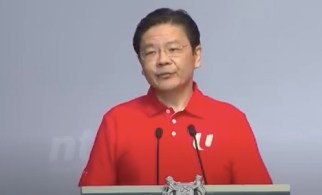
那么,随着中国、印度和东南亚的崛起,我们真的可以肯定新加坡民族主义不会再次解构为中国、印度和马来民族主义吗?我们的种族多样性被我们的宗教多样性所超越——在某种程度上,穆斯林、佛教徒、基督徒、印度教塔等等。新加坡是世界上宗教最多元化的地方。因此,我们对多样性带来的挑战并不陌生。我们在 1950 年代和 60 年代经历的种族和宗教骚乱清楚地强调了宗派冲突的可能性。当我们是马来西亚的一部分时,我们还看到了这些差异如何被政治化。我们的创始领导人再也没有做出决定和宣布。尽管如此,在我们 1965 年独立之后,许多人怀疑像我们这样由说数十种语言和方言的人组成并被更大的邻国包围的小岛国是否能够长期维持下去。
Nevertheless against the odds we managed to avoid serious conflict and this did not happen by chance. Our founding leaders went to great length to put in place measures to safeguard our racial and religious harmony. They took tough but necessary action. They invoked the Internal Security Act against chauvinists of all ilk. They introduced what were in the short term unpopular policies, like making English the main medium of instruction in our schools and later the ethnic integration program for public housing, to create more common spaces amongst our different racial and religious groups.
尽管如此,我们还是设法避免了严重的冲突,这并不是偶然发生的。我们的创始领导人不遗余力地采取措施维护我们的种族和宗教和谐。他们采取了强硬但必要的行动。他们援引《内部安全法》来对付各种沙文主义者。他们推出了短期内不受欢迎的政策,例如让英语成为我们学校的主要教学语言,以及后来的公共住房种族融合计划,以在我们不同的种族和宗教群体之间创造更多共同的空间。
All of these moves were only possible because generations of Singaporeans believed that what Singapore stood for as a nation exceeded the pool of their own tribal instincts and feelings. This was not an instinctive choice to make or the natural thing to do in many other societies. Imagine what would have happened if our founding leaders had pursued race-base politics or if the majority Chinese in Singapore had insisted on Mandarin as our working language or if we had allowed ethnic enclaves to form all over Singapore. There would not have been a Singaporean Singapore and no Singaporean identity to speak of. At best we would be a loose confederation of tribes, one conflict away from splintering.
所有这些举措之所以成为可能,是因为几代新加坡人相信新加坡作为一个国家所代表的超越了他们自己的部落本能和感情。在许多其他社会中,这不是一种本能的选择,也不是自然而然的事情。想象一下,如果我们的创始领导人推行以种族为基础的政治,或者如果新加坡的大多数华人坚持将普通话作为我们的工作语言,或者如果我们允许在新加坡各地形成民族飞地,将会发生什么。不会有新加坡人的新加坡,也不会有新加坡人的身份可言。充其量我们将是一个松散的部落联盟,一场远离分裂的冲突。
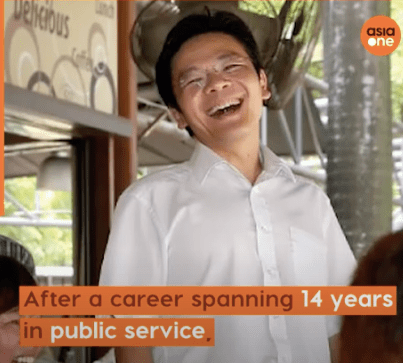
But because Singaporeans made this improbable choice, we are now one of the few places in the world where despite the many imperfections, despite lingering prejudices, despite warts and all, people of different tribes have lived peacefully together for more than half a century here. This harmonious state of affairs will always be on a knife edge. So it needs constant attention and careful management. I had spoken before of how the spate of racist incidents earlier this year reminded us that we cannot take our racial harmony for granted. In the hyper-connected world that we live in the cultural wars that began in the West will not be confined there. They have already created new forms of identity politics here beyond our familiar divides of race and religion. So, if we are not careful this new tribalism can easily take root here and our politics can become defined by new identity issues too.
但由于新加坡人做出了这个不可能的选择,我们现在是世界上为数不多的几个地方之一,尽管有许多不完美之处,尽管存在挥之不去的偏见,尽管有疣和其他一切,但不同部落的人们在这里和平共处了半个多世纪。这种和谐的事态将永远处于危险之中。所以它需要不断的关注和精心的管理。我之前曾谈到今年早些时候发生的一连串种族主义事件如何提醒我们,我们不能将我们的种族和谐视为理所当然。在我们生活在西方开始的文化战争中的超连接世界中,不会局限于此。他们已经在这里创造了超越我们熟悉的种族和宗教分歧的新形式的身份政治。所以,如果我们不小心,这种新的部落主义很容易在这里扎根,我们的政治也可能被新的身份问题所定义。
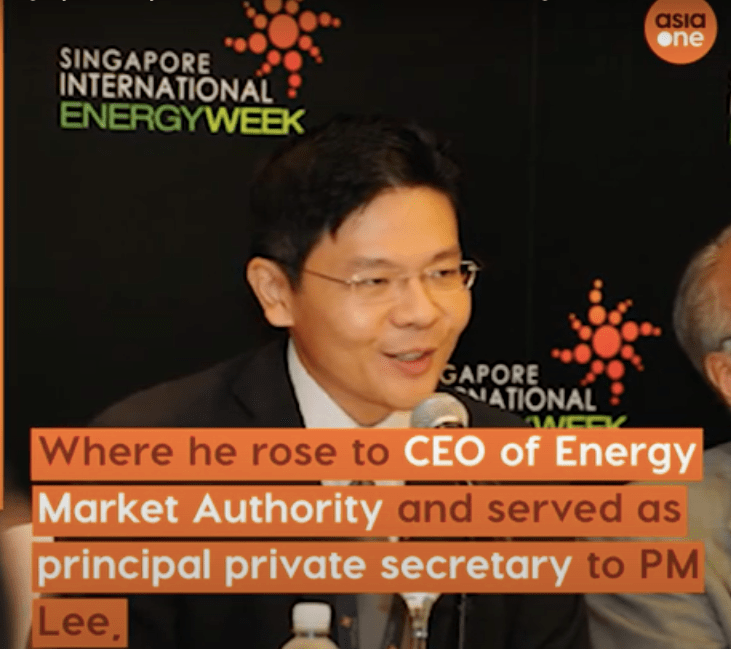
Now managing these new tensions does not mean that we pretend that differences do not exist. For example, France has tried to deal with the issue of race by banning the collection of race-based data but the problem has not gone away. Instead France has seen a search of racial protests in recent years with many minority groups calling for the government to collect race-based data so as to better inform policy making. The lesson is this: simply ignoring identities and tribes does not mean they no longer exist. Instead as a starting point we must recognise that the pool of identity politics arises from the real differences in lived realities. Different segments of our population will have their own real and valid concerns and anxieties. For example, women continue to bear disproportionate share of housework and receive less recognition at work compared to their male counterparts. Another example people with disabilities are not able to participate as fully in society as they would like to. And yet another more contested example LGBTQ persons feeling that society does not accept them or even recognise them as different. These are important concerns one cannot say to any of these groups that their concerns are illegitimate or exaggerated. For if we are to live up to the founding ethos of Singapore, every Singaporean deserves a place in our society regardless of his or her background, status or racial or cultural identity. This is what a fair and just society must mean and we cannot in the name of avoiding the dangers of identity politics deny the rights of a variety of groups to organise themselves so as to gain recognition for their concerns or seek to improve their conditions and well-being. The challenge is to acknowledge and do our best to address the legitimate concerns of every tribe without allowing our politics to be based exclusively on identities or tribal allegiances.
现在管理这些新的紧张局势并不意味着我们假装不存在差异。例如,法国试图通过禁止收集基于种族的数据来解决种族问题,但问题并没有消失。相反,法国近年来一直在寻找种族抗议活动,许多少数群体呼吁政府收集基于种族的数据,以便更好地为政策制定提供信息。教训是这样的:简单地忽略身份和部落并不意味着它们不再存在。相反,作为一个起点,我们必须认识到身份政治的池子来自生活现实中的真正差异。我们人口的不同部分将有自己真实和有效的担忧和焦虑。例如,与男性同行相比,女性继续承担不成比例的家务,在工作中获得的认可更少。另一个例子是残障人士无法像他们希望的那样充分参与社会。还有一个更有争议的例子 LGBTQ (女同性恋、男同性恋、双性恋、变性人,奇葩的人) 人觉得社会不接受他们,甚至不承认他们是不同的。这些是重要的担忧,人们不能对这些群体中的任何一个说他们的担忧是非法的或夸大的。因为如果我们要不辜负新加坡的建国精神,每个新加坡人都应该在我们的社会中占有一席之地,无论他或她的背景、地位或种族或文化身份如何。这就是一个公平公正的社会所必须的意义,我们不能以避免身份政治的危险为名,否认各种群体组织起来的权利,以便获得对其关注的认可或寻求改善他们的条件和更好的生活。 -存在。挑战在于承认并尽最大努力解决每个部落的合法关切,而不允许我们的政治完全基于身份或部落效忠。
This of course is easier said than done.
这当然说起来容易做起来难。
Before, in the aftermath of the 1964 race riots, we took pains to minimise our differences. Today we have a more diverse society but we also have much more in common and the Singaporean identity has become stronger. So how can we balance the competing demands of diverse identity groups while maintaining a cohesive and harmonious society? How can we build a society where everyone is equal and everyone has a place regardless of their backgrounds? These are difficult questions and I don’t have full answers but I would like to raise a few possible approaches.

之前,在 1964 年种族骚乱之后,我们竭尽全力将分歧最小化。今天我们有一个更加多元化的社会,但我们也有更多的共同点,新加坡人的身份也变得更加强大。那么,我们如何平衡不同身份群体的竞争需求,同时保持一个有凝聚力和和谐的社会呢?我们如何才能建立一个人人平等、人人享有一席之地的社会,无论其背景如何?这些都是难题,我没有完整的答案,但我想提出一些可能的方法。
First to tackle tribalism and identity politics we should strengthen our human relationships. This starts with strengthening the spirit of reciprocity and kinship at the daily level. We must be good friends, good neighbours, good samaritans, having such human relationships ultimately help to strengthen the trust we have in one another. And this is the elemental task in every society because when people lose faith in one another things fall apart very quickly. It takes effort and time to get to know those around us and build trust. It’s not something we can compel or do at scale. Relationships have to be built, one at a time. But what we can scale are social norms. So we should work hard to strengthen the norms that bring us closer together, norms like caring for others, kindness, graciousness.
首先要解决部落主义和身份政治,我们应该加强我们的人际关系。这首先要在日常层面加强互惠和亲属关系的精神。我们必须成为好朋友、好邻居、好撒玛利亚人,拥有这样的人际关系最终有助于加强我们对彼此的信任。这是每个社会的基本任务,因为当人们对彼此失去信心时,事情很快就会分崩离析。了解我们周围的人并建立信任需要付出努力和时间。这不是我们可以强迫或大规模做的事情。必须建立关系,一次一个。但我们可以扩展的是社会规范。所以我们应该努力加强那些让我们更亲密的规范,比如关心他人、善良、仁慈等规范。
And we have seen many good examples of such norms throughout this pandemic: the countless healthcare workers who went beyond their call of duty to care for our COVID patients. All the numerous examples of frontline workers from taxi drivers to cleaners to food delivery riders who toil silently to keep our society going. These examples represent the best of us and we should recognise the values they embody. We should take pride in our fellow Singaporeans who are prepared to set the interests of others ahead of their own and serve the greater good. These are our role models which we should all strive to emulate.
在整个大流行期间,我们已经看到了许多此类规范的好例子:无数医护人员超越了职责范围来照顾我们的 COVID 患者。从出租车司机到清洁工再到送餐员,一线工人的所有例子都在默默地辛勤工作以维持我们的社会运转。这些例子代表了我们最好的一面,我们应该认识到它们所体现的价值观。我们应该为新加坡同胞感到自豪,他们愿意将他人的利益置于自己的利益之上,并为更大的利益服务。这些都是我们应该努力效仿的榜样。
Second, let us avoid stereotyping groups of people or assuming that each community is monolithic or homogeneous. I spoke about this before in the context of the phrase Chinese privilege. A female Chinese from a poor background would have a vastly different lived experience compared to a male Chinese from a wealthy family. And china’s privilege is not the only stereotype. Many of us may hold preconceived notions about each other’s ethnicity gender, religion or political allegiance.
其次,让我们避免对人群进行刻板印象或假设每个社区都是单一的或同质的。我之前在中国特权这个词的背景下谈到了这一点。与来自富裕家庭的男性中国人相比,来自贫困家庭的女性中国女性的生活经历将大不相同。中国的特权并不是唯一的刻板印象。我们中的许多人可能对彼此的种族性别、宗教或政治效忠抱有先入为主的观念。
Minorities especially are subject to such prejudices so all of us must be more conscious of the stereotypes we might harbour. We must avoid reducing our understanding of each other to a single dimension. This hardens our views of those who are different from us and over time we see all issues through that particular lens. It will become increasingly difficult to find common ground or solutions that benefits all groups. Conversely we should be mindful of breaking society into ever smaller boxes. This is what we have seeing in some places. For example black feminists not seeing eye to eye with white feminists or one minority feeling that it has to be more aggrieved than another and so on. We must fight the instinct to set ourselves apart and pigeonhole others and instead be willing to build understanding and commonality across identity lines.
少数族裔尤其容易受到这种偏见的影响,因此我们所有人都必须更加意识到我们可能怀有的刻板印象。我们必须避免将我们对彼此的理解降低到一个维度。这加强了我们对与我们不同的人的看法,随着时间的推移,我们通过这个特定的镜头看到所有问题。找到有利于所有群体的共同点或解决方案将变得越来越困难。相反,我们应该注意将社会分成更小的盒子。这是我们在一些地方看到的。例如,黑人女权主义者与白人女权主义者意见不一致,或者少数人认为自己必须比其他人更受委屈,等等。我们必须与本能作斗争,让自己与众不同,将他人归类,而是愿意在身份界限之间建立理解和共同点。
The reality is that all of us have multiple identities. This is true of racial and religious identities and it is also true of a variety of other identities. Being a Singaporean should never mean having to give up any of our other identities. So we may be Chinese, Malay, Indian, Eurasian or any other race but we are first and foremost Singaporeans. Likewise regardless of our gender or sexual orientations, regardless of the cause we champion we are all Singaporeans first and foremost.
现实情况是,我们所有人都有多重身份。种族和宗教身份都是如此,其他各种身份也是如此。作为一名新加坡人,绝不应该意味着必须放弃我们的任何其他身份。所以我们可能是华人、马来人、印度人、欧亚人或任何其他种族,但我们首先是新加坡人。同样,无论我们的性别或性取向如何,无论我们支持什么事业,我们首先都是新加坡人。
If we uphold this idea that being Singaporean is a matter of conviction and choice and that it takes priority over our other identities and affiliations that would give all of us one important commonality around which to build understanding and trust to negotiate our differences and find common ground on difficult issues and then we can continually look for ways to move forward together.
如果我们坚持这样的想法,即成为新加坡人是一个信念和选择的问题,它优先于我们的其他身份和从属关系,这将为我们所有人提供一个重要的共同点,围绕这个共同点建立理解和信任,以协商我们的分歧并找到共同点在困难的问题上,然后我们可以不断寻找共同前进的方法。
Third let us draw on the better angels of our nature. Humans are tribalists by nature but we are also traders by nature. Throughout history, humanity has thrived because of our instinctive desire to explore the unknown, to meet new people amongst whom we can live with, trade with, and learn from. In fact these trader instincts are an integral part of who we are as Singaporeans because Singapore started as an entrepreneur trading hub. Trade is in our blood. Trade is not just about making economic transactions. Trade is grounded on norms of reciprocity, trust and mutual benefit. The foundation of all successful trades lies in the willingness to exchange and cooperate. To trade effectively we must build long-term win-win relationships with others.
第三,让我们利用我们天性中更好的天使。人类天生是部落主义者,但我们也是天生的商人。纵观历史,人类之所以蓬勃发展,是因为我们本能地渴望探索未知事物,结识可以与之生活、交易和学习的新朋友。事实上,这些交易者的本能是我们作为新加坡人不可或缺的一部分,因为新加坡最初是一个企业家贸易中心。贸易是我们的血液。贸易不仅仅是进行经济交易。贸易基于互惠、信任和互利的规范。所有成功交易的基础在于愿意交流与合作。为了有效地进行贸易,我们必须与他人建立长期的双赢关系。
So this same trading instinct is crucial in setting the tone of our society, and from the beginning our forefathers knew the importance of compromises and striking a fair deal for all. They knew cooperation rather than competition and conflict was the best way forward. This became not just the basis for our economy but the outlook for our entire society. It is perhaps one reason why tripartism has succeeded here more than in any other advanced economy. So we must continue in this vein, continue to engage with one another, cooperate and work towards mutual benefit.
因此,同样的交易本能对于确定我们社会的基调至关重要,我们的祖先从一开始就知道妥协和为所有人达成公平交易的重要性。他们知道合作而不是竞争和冲突是最好的前进方式。这不仅成为我们经济的基础,而且成为我们整个社会的前景。这也许是三方性在此比在任何其他发达经济体中更成功的原因之一。因此,我们必须继续本着这种精神,继续相互接触,合作并努力实现互惠互利。
We must do so not only with those outside Singapore but also between different segments of Singaporeans as well. We must listen, understand, compromise and negotiate for win-win outcomes, knowing that we are stronger by working with and learning from one another.
我们不仅必须对新加坡以外的人这样做,而且在新加坡人的不同阶层之间也必须这样做。我们必须倾听、理解、妥协和谈判,以实现双赢的结果,因为我们要通过相互合作和相互学习而变得更强大。
Fourth, as a society we must continue to give all Singaporeans reason to hope and a fair chance to have a good life. The rise of extreme politics in many advanced economies is in large part related to their economic woes.
第四,作为一个社会,我们必须继续让所有新加坡人有理由有希望和公平的机会过上美好的生活。许多发达经济体极端政治的兴起在很大程度上与其经济困境有关。
The middle class in many western countries has been steadily losing ground not just for years but for several decades. The typical households face stagnating incomes with their children faring less well than their parents. College graduates are unable to get jobs and are laden with student debts. We must never allow this to happen in Singapore. So we will continue to work hard to promote inclusive growth and to ensure that all Singaporeans can succeed in their pursuits. This is how we break out of a zero-sum mindset where certain groups feel like other’s success must have come at their own expense or feel that every tribal setback is a major grievance. When it comes to social programs, we will do our best to avoid such invidious comparisons by balancing targeted support with universal coverage for essential items. In short we will do everything we can to make sure that the Singaporean dream remains alive and well for every Singaporean.
许多西方国家的中产阶级不仅多年来而且几十年来一直在稳步下降。典型的家庭面临收入停滞不前,孩子的生活不如父母。大学毕业生无法找到工作,背负着学生债务。我们决不能让这种事情发生在新加坡。因此,我们将继续努力促进包容性增长,并确保所有新加坡人都能在他们的追求中取得成功。这就是我们如何打破零和思维的方式,在这种思维方式中,某些群体认为其他人的成功必须以他们自己为代价,或者认为每一次部落挫折都是一次重大的不满。在社会项目方面,我们将通过平衡有针对性的支持和基本项目的普遍覆盖,尽最大努力避免这种令人不快的比较。简而言之,我们将竭尽所能,确保新加坡人的梦想对每个新加坡人来说都充满活力。
On top of all this, the government must and will always be a fair and honest broker. Despite our best attempts, we might not always succeed in establishing a consensus on established specific and controversial issues. In such cases the government will do our utmost to recognise the challenges and needs of different groups, decide on the appropriate policy and convince the rest of society that this is a fair way to move forward. We have done so for the ethnic integration policy in our HDB flats. We have done so for the special assistance plan in our schools and we will continue to do so on other issues. We may not always arrive at a perfect solution but we will never let any group feel unheard, ignored or excluded. We will never let any group feel boxed in or ostracised. All must feel that they are part of the Singapore conversation. All must feel they are part of the Singapore family, all must feel there is hope for the future.
最重要的是,政府必须而且将永远是一个公平和诚实的经纪人。尽管我们尽了最大努力,但我们可能并不总是成功地就已确定的具体和有争议的问题达成共识。在这种情况下,政府将尽最大努力认识到不同群体的挑战和需求,决定适当的政策,并让社会其他人相信这是向前迈进的公平方式。我们已经为我们的组屋单位的种族融合政策这样做了。我们已经为我们学校的特殊援助计划这样做了,我们将继续在其他问题上这样做。我们可能并不总能找到完美的解决方案,但我们绝不会让任何群体感到闻所未闻、被忽视或被排斥在外。我们绝不会让任何团体感到被束缚或排斥。所有人都必须感到他们是新加坡对话的一部分。所有人都必须感到自己是新加坡大家庭的一份子,所有人都必须感到对未来充满希望。

Like many societies, Singapore is slowly emerging out of the COVID pandemic. The last two years have been a tough time for everyone, in these most difficult of times, we are naturally drawn to the security of our own tribes. It is tempting to look at others especially someone who is different from us as the cause of our frustrations and pressures. But, as we turn the tide in our fight against COVID-19, we must be careful not to allow these differences to become permanent divides that separate us. We must redouble our efforts to reach across our differences and strengthen our connections with one another.
像许多社会一样,新加坡正在慢慢摆脱 COVID 大流行。过去两年对每个人来说都是艰难的时期,在这个最困难的时期,我们自然会被自己部落的安全所吸引。很容易将其他人,尤其是与我们不同的人视为我们沮丧和压力的原因。但是,当我们在与 COVID-19 的斗争中扭转局面时,我们必须小心,不要让这些差异成为将我们分开的永久分歧。我们必须加倍努力,跨越分歧,加强彼此之间的联系。
On our part the government will never waver from our commitment to work with everyone to broaden our common space and to build a society where every Singaporean can express their views and be empowered to effect positive change. Our pledge which we recite regularly begins not with the individual but with the collective. It’s about we, the citizens of Singapore and it’s about happiness, prosperity and progress for our nation. So let us continue to work together to strengthen our Singaporean Singapore and build a better society for all. Thank you.
就我们而言,政府将永远不会动摇我们与每个人合作以扩大我们的共同空间并建立一个每个新加坡人都可以表达自己的观点并有权实现积极变革的社会的承诺。我们经常背诵的誓言不是从个人开始,而是从集体开始。这关乎我们新加坡公民,关乎我们国家的幸福、繁荣和进步。因此,让我们继续共同努力,加强我们的新加坡,为所有人建设一个更美好的社会。谢谢你。
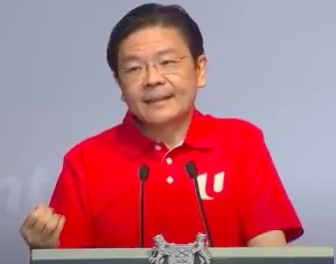
Forward Singapore: https://youtu.be/Q1RUfSgGoag
4G team to develop “Forward Singapore” agenda to refresh social compact: Lawrence Wong
4,457 viewsMay 1, 2022
 English