Include God in our Plans 将上帝纳入我们的计划中
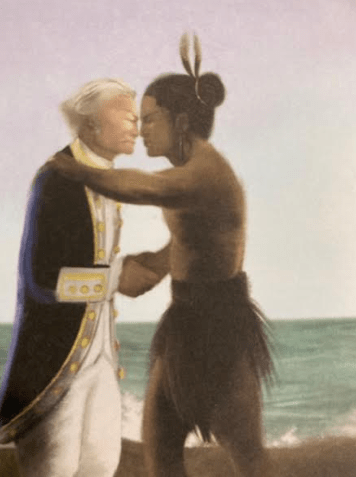
Today is the start of New Zealand’s Maori Language Week. We shall therefore include the Maori translations in this article.
Kei te whakauru koe i te Atua ki roto i to mahere mo to heke mai?
whakauru = incorporating; koe = you; Atua = God; ki roto = into; mahere = plan; heke mai = future.
This is a story about Greed.
He korero tenei mo te apo.
korero = story; apo = greed; mo te apo = about greed.
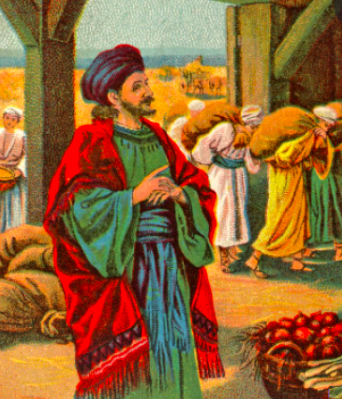
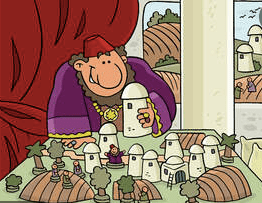
Once, there was a rich and prudent farmer, known for his wisdom in handling his business. Yes, he had a thriving farming business. His land produced so abundantly that he found himself building extra storage space every year for his grains and his products. He knew enough to store his perishable products in preserved bottles using vinegar and brine. He was a good financial advisor to his friends within his community. His financial affairs were well sorted out. He worked hard, and he saved for the rainy days. Could he not sit back and relax and enjoy the fruits of his labour?
I tetahi wa, he tangata ahu whenua whai mana, whai whakaaro hoki, e mohiotia ana mo tona mohio ki te whakahaere i tana umanga.
At one time, there was an influential and resourceful farmer, known for his ability to run his business.
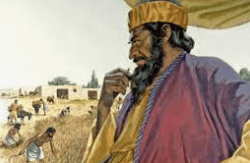
Once, at one time = I tetahi wa; a competent farmer = he tangata ahu whenua whai mana; also considerate = whai whakaaro hoki; to be known = e mohiotia; for his understanding = ana mo tona; to control, to run = mohio ki te whakahaere; his business, his career = i tana umanga.
I whakapau kaha a ia, i penapenahia e ia mo nga ra ua a he whai rawa ia. He worked hard, he saved for the rainy days and he was rich.
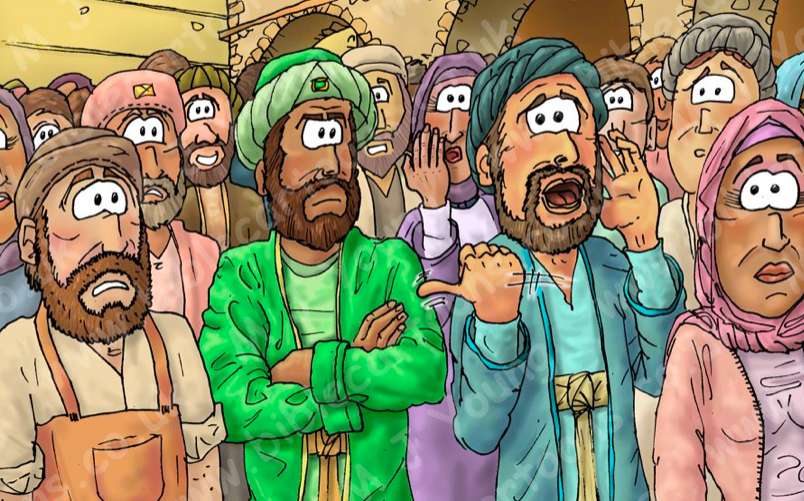
No, he did not relax. No, he did not spend time with his family members. No, he did not spend his money enjoying the fruits of his labour. Rather, he kept on planning, planning for the day he could enjoy the fruits of his labour. He had no real friends and he wondered why. When he gave money to a charity his mind was not really with the charity. In his mind, there was only one word “greed”. He wanted to be recognised by others as a charitable person. He wanted others to respect him. He had no time for others. He cared only for himself. Most of his neighbours described him as foolish.
Kao, kaore ia i okioki. Kao, kaore ana waa mo tana wahine me ana tamariki. No, he did not rest. No, he has no time for his wife and children.
He pukumahi tonu ia ki te tatau i ana moni. I hangaia e ia nga toa toa nunui ake ana mo ana maara. He was always busy counting his money. He built larger grocery stores for his gardens.
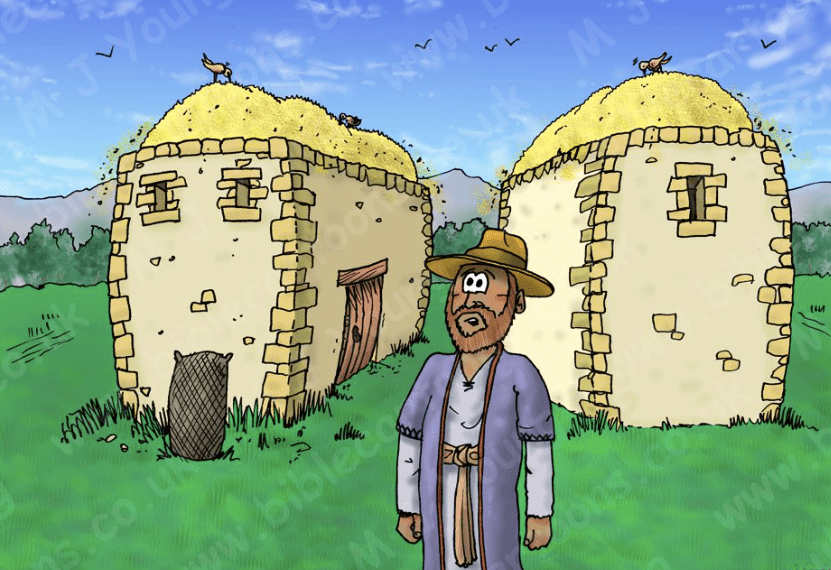
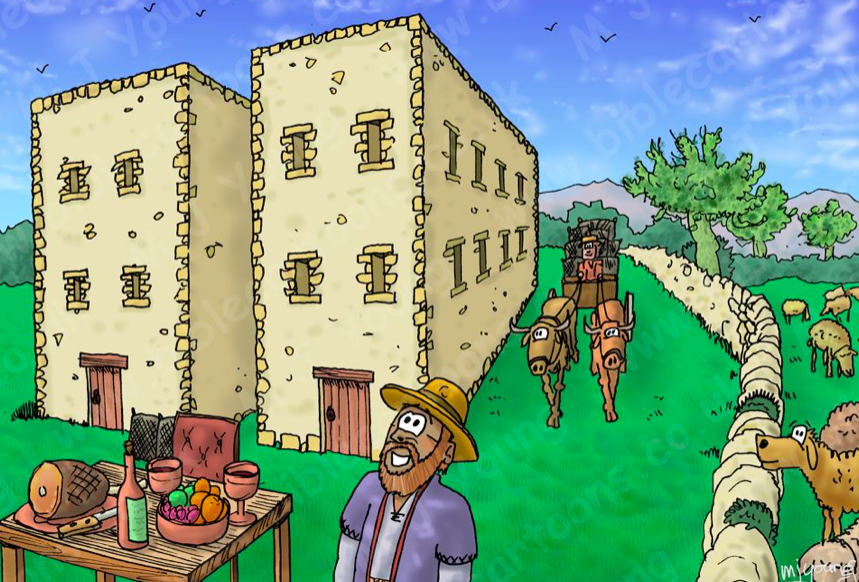
Kaore ana waa mo te Atua. He has no time for God.
Kaore ia i whai wa ki te hora i te aroha o te Atua ki ona mema o te whanau me ana hoa. He did not have time to spread God’s love to his family members and friends.
“You fool!” his neighbours whispered to themselves behind his back. “He was a fool, not because he saved for his future,” said one neighbour. “He was a fool, not because he lives only for himself,” added another. “Yes, he was a fool, not because of his wish to to store up his harvest,” added another. The elder of them then said, “He was a fool because of of his mindset - his belief that he could do everything himself without God. He left God out of his pictures. He left out sharing God’s love and God’s care for the masses. He fails to plan for eternity and to store up treasures in Heaven.”
“Oh, why not turn while yet you may; Too late, it soon will be - A glorious life you may possess, throughout eternity.”
You are stupid! Poauau koe!
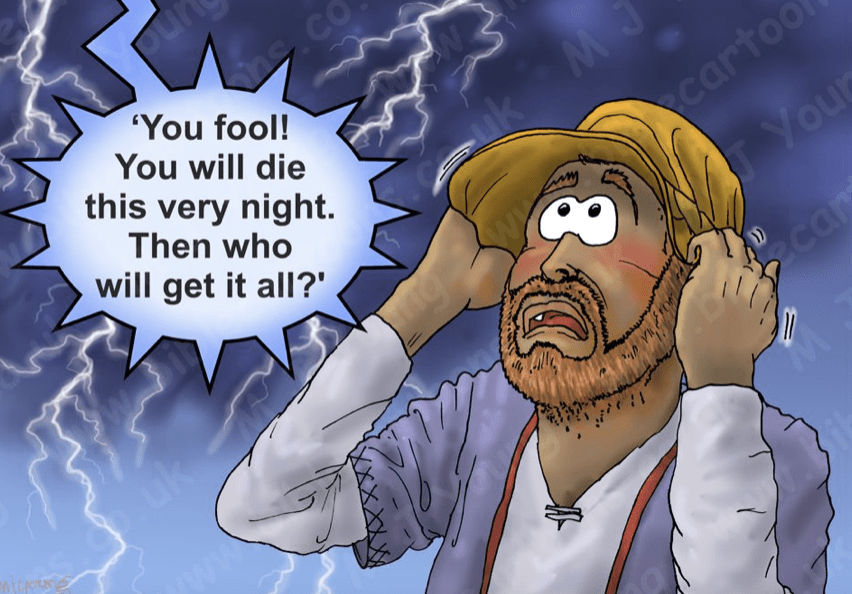
You will die this very night, suddenly. Ka mate koe i tenei po tonu, ohorere.
Then who will get all your property? Na, ma wai e tango o rawa katoa?
Indeed he died and his children fought over his possessions. Most of his crops stored in his storehouses were robbed.
Ae ra, i mate a ka whawhai ana tamariki mo ana taonga.
Most of his crops stored in his storehouses were robbed.
Ko te nuinga o nga purapura i penapenahia e ia i tahaetia e nga tahae.
Reference: Luke 12:13 - 21 A Rich Fool
The Parable of the Rich Fool
13 Someone in the crowd said to him, “Teacher, tell my brother to divide the inheritance with me.”
14 Jesus replied, “Man, who appointed me a judge or an arbiter between you?” 15 Then he said to them, “Watch out! Be on your guard against all kinds of greed; life does not consist in an abundance of possessions.”
16 And he told them this parable: “The ground of a certain rich man yielded an abundant harvest. 17 He thought to himself, ‘What shall I do? I have no place to store my crops.’
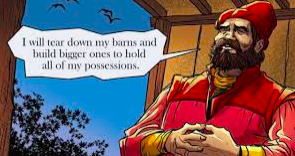
18 “Then he said, ‘This is what I’ll do. I will tear down my barns and build bigger ones, and there I will store my surplus grain. 19 And I’ll say to myself, “You have plenty of grain laid up for many years. Take life easy; eat, drink and be merry.”’
20 “But God said to him, ‘You fool! This very night your life will be demanded from you. Then who will get what you have prepared for yourself?’
21 “This is how it will be with whoever stores up things for themselves but is not rich toward God.”
(in Maori Language). Ko te Whakatauki o te wairangi whai taonga
Ko te Whakatauki = The Proverb (the Parable).; o te wairangi = of folly; whai taonga = the rich (have property).
13 Na ka mea tetahi i roto i te mano ki a ia, E te Kaiwhakaako, mea atu ki toku tuakana, kia wehea mai moku tetahi wahi o te kainga.
tetahi = one; i roto = in; i te mano = in the crowd; Kaiwhakaako = Teacher; mea atu ki toku tuakana = tell my brother; toku tuakana = my brother; kia wehea = to be shared or to be divided; o te kainga = of the village (here to be translated as of the inheritance).
14 Na ko tana meatanga ki a ia, E te tangata nei, na wai ahau i mea hei kaiwhakawa, hei kaiwehewehe i waenganui i a koutou?
15 I mea ano ia ki a ratou, Kia mahara, kia tupato ki te apo: ehara i te mea ma te nui o nga taonga a te tangata e ora ai ia.
16 Na ka korerotia e ia tetahi kupu whakarite ki a ratou, ka mea, Na he nui te hua o te whenua o tetahi tangata whai taonga:
17 Na ka whakaaroaro ia i roto i a ia, Me pehea ahau? Kahore hoki oku wahi hei putunga mo aku hua.
18 A ka mea ia, Tenei taku e mea ai: ka wawahia e ahau oku whare witi, a ka hanga kia nui: a ka kohikohia ki reira aku hua katoa, me aku taonga:
19 Katahi ahau ka mea ki toku wairua, E toku wairua, ka maha au mea papai kei te rongoa mo nga tau e maha; noho noa iho, e kai, e inu, kia koa te ngakau.
20 Otiia ka mea te Atua ki a ia, Kuware, ko a tenei po ano tangohia ai tou wairua i a koe: a ma wai nga mea kua pae na i a koe?
21 Na, ka pena te tangata e whakapuranga ana i te taonga mana ake, a kahore e hua tana whaka te Atua.
(In Chinese) 愚蠢的富人的寓言 Yúchǔn de fù rén de yùyán
13 众 人 中 有 一 个 人 对 耶 稣 说 : 夫 子 ! 请 你 吩 咐 我 的 兄 长 和 我 分 开 家 业 。
14 耶 稣 说 : 你 这 个 人 ! 谁 立 我 作 你 们 断 事 的 官 , 给 你 们 分 家 业 呢 ?
15 於 是 对 众 人 说 : 你 们 要 谨 慎 自 守 , 免 去 一 切 的 贪 心 , 因 为 人 的 生 命 不 在 乎 家 道 丰 富 。
16 就 用 比 喻 对 他 们 说 : 有 一 个 财 主 田 产 丰 盛 ;
17 自 己 心 里 思 想 说 : 我 的 出 产 没 有 地 方 收 藏 , 怎 麽 办 呢 ?
18 又 说 : 我 要 这 麽 办 : 要 把 我 的 仓 房 拆 了 , 另 盖 更 大 的 , 在 那 里 好 收 藏 我 一 切 的 粮 食 和 财 物 ,
19 然 後 要 对 我 的 灵 魂 说 : 灵 魂 哪 , 你 有 许 多 财 物 积 存 , 可 作 多 年 的 费 用 , 只 管 安 安 逸 逸 的 吃 喝 快 乐 罢 !
20 神 却 对 他 说 : 无 知 的 人 哪 , 今 夜 必 要 你 的 灵 魂 ; 你 所 预 备 的 要 归 谁 呢 ?
21 凡 为 自 己 积 财 , 在 神 面 前 却 不 富 足 的 , 也 是 这 样 。
 English